
Israel warns Tehran’s attacks are coming close
Trending
DUBAI, United Arab Emirates (AP) -- The United States launched more airstrikes at Iran on Sunday in response to the killing of U.S. troops, and Iran fired missiles toward Jordan that risked widening the conflict into neighboring Israel.
Step by step, the U.S. and Iran have returned closer to all-out war as last month’s interim deal meant to permanently end the fighting has crumbled and shipping traffic in the Strait of Hormuz has largely stalled. Both sides have targeted civilian infrastructure relied on by millions of people.
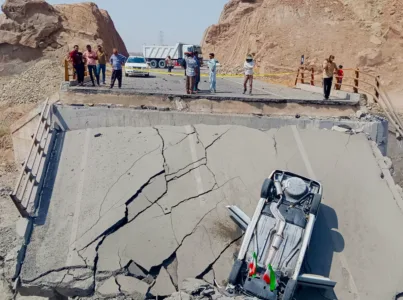
The U.S. military said the latest strikes targeted Iran’s paramilitary Revolutionary Guard to retaliate for Friday’s killing of troops in Jordan. The campaign, now in its second week, has seen the U.S. target bridges, water desalination plants and electrical facilities in Iran. Tehran has hit U.S.-allied countries throughout the Middle East.
Kuwait, Jordan and Bahrain again activated air defenses for incoming Iranian drones and missiles. Israel warned that missiles launched toward neighboring Jordan could cause fire to spill over into Israeli territory for the first time in weeks.
Jordan’s military said it shot down several Iranian missiles. The country hosts major U.S. bases and relies on U.S. air-defense systems. The missiles did not cause casualties or damage, according to Jordan’s military.
Jordan later summoned Iran’s chargé d'affaires to protest, state-run television reported.
Israel’s military said Iranian missiles launched toward the Jordanian port city of Aqaba just across the border could spill over, warning Israelis to expect the first air-raid sirens in weeks.
Eilat, the Israeli city that neighbors Aqaba, cited security officials as saying two interceptors were launched from its outskirts to prevent the fall of debris.
During the latest fighting, Iran has focused attacks on U.S.-allied Arab states rather than Israel, which launched the war with the U.S. on Feb. 28. "We are prepared to immediately resume combat," the Israeli military chief of staff, Lt. Gen. Eyal Zamir, said.
Kuwait said one of its power and water desalination plants was attacked for the second time in two days, causing fires. Its Ministry of Electricity, Water and Renewable Energy said the power grid remains stable. In Kuwait, about 90% of drinking water comes from desalination.
The secretary-general of the six-nation Gulf Cooperation Council, Jasem Mohamed al-Budaiwi, has accused Iran of war crimes for strikes on infrastructure and civilian facilities.
International humanitarian law generally protects civilian infrastructure such as bridges and power plants from attack, but such sites can lose protections if used for military purposes. In such cases, attacks must be proportionate and minimize civilian harm.