
Trending
The Protect College Sports Act came close to Senate floor consideration before lawmakers left for the August recess, but no vote took place. The proposal remains pending as the college sports season moves forward under existing rules. September now offers the next procedural window, with questions over name, image and likeness rights, athlete payments, transfers and eligibility still unresolved at the federal level.
August Ended Without a Senate Vote
The bill cleared the Senate Commerce Committee on June 18 by a 19-9 vote. By early August, the Senate schedule showed cloture had been filed on a motion to proceed to S.4668, the Protect College Sports Act of 2026.
It was close to floor consideration, but that was still well short of passage. A motion to proceed determines whether the Senate takes up a measure for debate, and lawmakers left for recess before the proposal moved through that stage. The delay matters mainly because it leaves the existing college-sports system untouched for the opening weeks of the season rather than because it signals how senators will eventually vote.
What Would Actually Change for College Sports?
The proposal reaches well beyond NIL sponsorships. Its provisions address athlete compensation, transfer protections, eligibility, scholarships, medical coverage and the relationship between schools and athletes. It also attempts to distinguish genuine NIL agreements from payments tied more directly to recruiting or roster retention.
A player deciding whether to remain with a program, enter the transfer portal or sign a commercial agreement can alter a depth chart months before a game is played. Schools are making their own calculations about compensation and retention at the same time. Those decisions can also affect scholarship planning and which positions become priorities in the next recruiting cycle.
The bill would put federal rules around some of those decisions, but the current debate is still about what those rules should contain. None of the proposed changes should be treated as settled while the measure remains pending.
Recruiting, Rosters and the Information Around a Team
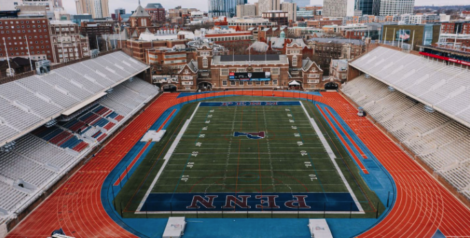
The effect of player movement is already visible in preseason coverage. Penn State entered August with a roster shaped heavily by transfers, and NIL has also become part of the recruiting discussion. Those decisions influence how coaches fill gaps, how quickly new players need to adapt and how supporters assess areas such as quarterback depth or receiving options.
A late transfer can change expectations for a position group before the opening game. An eligibility decision can remove a player who had been central to preseason projections. NIL arrangements can affect whether a highly rated recruit stays put or looks elsewhere. None of those outcomes is created by a federal bill alone, but the rules surrounding them shape the choices available to athletes and schools.
Roster changes also matter outside the team itself. Transfers, eligibility decisions and late personnel moves feed into matchup analysis, statistical projections and regulated betting markets. Anyone trying to assess a team needs accurate information about who is available, which players have moved and how quickly new additions are likely to settle into their roles.
College Sports Rules Reach Beyond the Field
NCAA data shows that 554,298 athletes competed in championship sports during the 2024-25 academic year, an all-time high, across nearly 20,000 teams.
Division I and II schools also award more than $4 billion in athletics scholarships each year to more than 180,000 student-athletes. Eligibility, scholarships, transfers and compensation therefore affect far more than the biggest football programs, even though the financial realities can differ sharply from one sport or institution to another. A rule written with major programs in mind can still reach athletes competing in sports with much smaller budgets and very different recruiting patterns.
Policy Changes Also Affect the Information Around a Game
The rules around college athletes are separate from the rules governing sports betting. Licensing, sportsbook availability, consumer protections and regional restrictions can all vary from one regulated market to another.
That distinction becomes clearer when sports information is viewed across regulated markets, where this resource outlines how licensing and wagering rules operate in the Canadian market. Covers publishes sports-betting information and market guides, so it is cited here specifically for that regulatory context.
Player availability and roster movement may influence the information bettors follow, but they do not determine the law governing where or how a wager can be placed. A federal college-sports proposal and a regulated betting market operate under different sets of rules, even when both are reacting to the same roster news or game information.
September Brings the Next Decision Point
The Knight Commission says Senate debate on whether to proceed to the bill is scheduled to begin no earlier than September 15 and no later than September 23. That is the next scheduled opportunity for the bill to move.
By then, the college football season will already be underway. Teams will be playing, transfers will have settled into new roles and NIL agreements will continue under the existing system while lawmakers decide whether the federal rulebook should change.