
Geisinger Muncy improves cardiac imaging with novel technology
HeartFlow helps doctors identify, treat heart disease
Trending
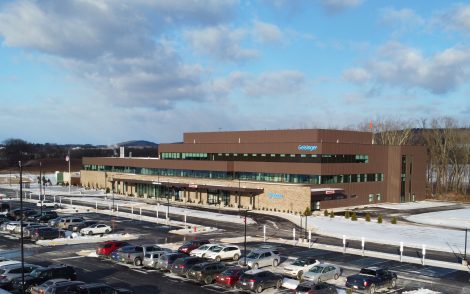
MUNCY -- Geisinger Medical Center Muncy is now using a cutting-edge, non-invasive tool to diagnose coronary artery disease (CAD), the most common heart condition.
Geisinger is the only health system using HeartFlow Analysis in northeastern and north-central Pennsylvania.
The technology uses deep learning, a type of artificial intelligence, and highly trained analysts to evaluate data from a patient's coronary computed tomography (CT) scan and create a personalized, digital 3D model of the patient's coronary arteries.
This advanced cardiac CT reduces the need for unnecessary invasive procedures, limits unnecessary testing in the Emergency Department and aligns with the latest American College of Cardiology/American Heart Association Joint Committee guidelines for diagnosing chest pain.
CAD is the leading cause of death among Americans. Cholesterol plaques can develop in the coronary arteries -- vital blood vessels that deliver oxygen-rich blood to the heart.
As plaques accumulate, they can obstruct blood flow and lead to heart attacks or disabling symptoms like chest pain or shortness of breath.
"Embracing innovative technology helps us put our patients first," said Dr. George Ruiz chair of Geisinger's Department of Cardiology.
"With HeartFlow Analysis, no sedation or overnight stay is necessary, and we can obtain critical information easily," he said.
When examining blood flow in a narrowed artery, cardiologists measure the maximum amount of blood that can flow through the diseased artery compared to the maximum amount of blood that can flow through a healthy artery to determine if delivery of oxygen to the heart has been compromised.
This measurement is called fractional flow reserve (FFR), and this diagnostic technique previously required an invasive procedure called cardiac catheterization.
"HeartFlow Analysis uses computer algorithms to simulate blood flow, so we can assess the impact CAD has on blood flow to the heart with a non-invasive test," said Dr. Vishal Mehra, Geisinger's chief of advanced cardiac imaging.
"This enhances our ability to diagnose and treat patients for whom cardiac catheterization is not appropriate or necessary and to avoid delays for patients who need cardiac catheterization urgently," Mehra added.
Fractional flow reserve -- computed tomography (FFR-CT) is available at all Geisinger hospitals where cardiac CT is performed and is part of a larger strategy to enhance cardiac CT across the system.