
Trees have flowers blossoming this time of year
Trending
During the middle of April we experienced spring-like weather when the temperature rose into the 70s. This warm spell put nature ahead of her normal schedule, causing the trees to begin blossoming.
The flowers of the Norway maple tree in our backyard appeared almost overnight. However, this past week the flowers were covered with snow.
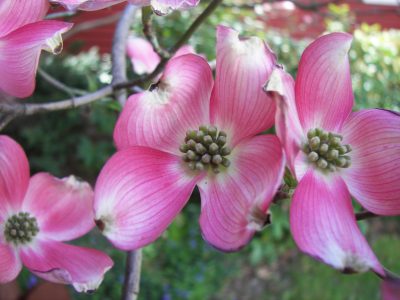
The first wild flowers of the season along with the spring bulbs and many flowering bushes have been in bloom. These early spring flowers and the return of the robins are what most people associate with spring. However, most people are unaware trees, such as oak, elm and maple, also have flowers blossoming in the spring. Some of these tree flowers, such as those on the elms, are small and inconspicuous, while others, such as the dogwood, are large and showy.
In some instances, insects are used to cross pollinate trees. The wind is used by others. The following is a simple rule for pollination: If tree flowers are small and inconspicuous, the wind is used for cross pollination. However, if the flowers are showy, insects are used to cross pollinate
Flowers which are visible from a distance usually produce a large amount of nectar and pollen which attracts insects. The showy petals make a good landing place for insects, from which they are able to find a good supply of nectar. The pollen of all insect-pollinated flowers tends to be heavy and sticky, which is suitable for clinging rather than for blowing about.
All trees that are to be pollinated by the wind must bloom early, while branches are still bare or before the leaves are large enough to interfere with the pollen blowing through the air. The anthers (small bags holding the male pollen) split open when the weather is warm and dry.
A clear day with a gentle breeze is an ideal day for wind-pollinated trees. During damp weather, the anther pocket closes to protect the pollen from the dampness. The small flowers of the maples and willows would appear to be wind pollinated, but they are actually pollinated by insects even though their flowers bloom before the leaves. The flowers of the maples and willows produce a great quantity of nectar to attract insects.
If pussy willows didn't appear until May, they would hardly be noticed. In March, the branches are greeted with a hearty welcome, a sign that spring is on its way. The male and female flowers grow on separate willow trees. The pussies are the young catkins that have the floret still buried inside a silvery protective fur. There is a green gland located at the base of each floret, that is the source of the fragrance and nectar which attracts swarms of insects. The pussy willow, which blooms before winter is scarcely over, furnishes bees with some of the first honey of the year.
In some tree species, male and female flowers appear on separate trees, while other tree species will have both male and female flower parts on the same tree. Still other tree flowers bear both the male and female parts. The flower's job is simple. The male flowers bear the sperm cells, and the female flowers bear the egg cells. Both exist to produce, nurture and finally distribute the seeds.
In tropical forests, where the thick foliage prevents wind pollination, trees use nectar-eating birds, such as the hummingbird. Mammals, such as possums, flying squirrels and bats, help pollinate tree flowers in the tropics.
Trees have many different ways of cross pollinating. Some flower before the leaves appear, while others flower along with their unfolding leaves. There are trees, such as the horse-chestnut, that wait until the leaves are fully developed and then produce large and very bright colored flowers. The basswood tree waits until summer, enticing the bees with an intense fragrance and large amounts of nectar.
Last, but not least, will be the witch hazel tree, which does not bloom until the leaves have fallen from the tree. The tree's flashy yellow flowers are in contrast to the bare trees in the area, and with being so late in the year, it is the last chance for late working bees. The fruit of the witch hazel will not fully ripen until the following fall.
The catkins have already hung from the aspen trees, and if you want to have a close up look at nature, use a magnifying glass (or even better) a ten-power hand held lens, to examine one of the catkins. You will truly be amazed at what you see.
Bill Bower is a retired Pennsylvania Game Commission Wildlife Officer. Read his blog and listen to his podcasts on the outdoors at www.onemaningreen.com.
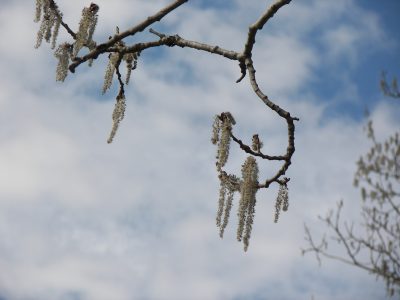
PHOTO PROVIDED
By now, the catkins of the aspen tree have scattered their pollen.
PHOTO PROVIDED
The flowers of a Dogwood tree are big and bright.