
Project FeederWatch offers opportunity to count birds, collect data
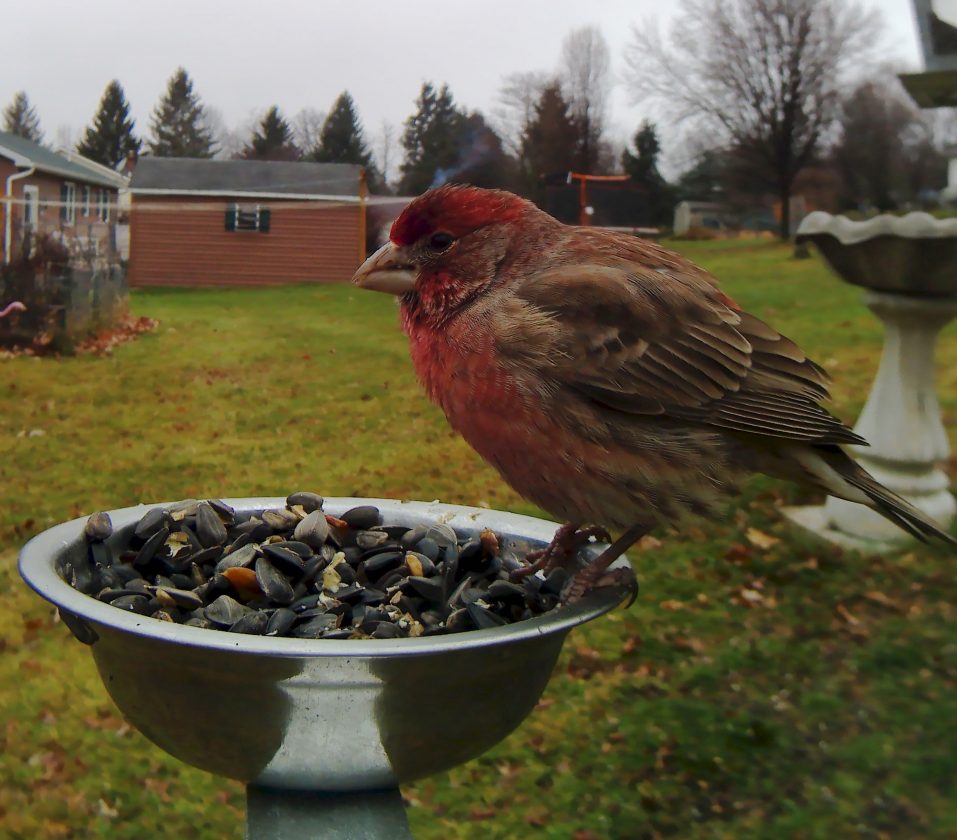
KAREN VIBERT-KENNEDY/Sun-Gazette A house finch sits on top of a bird feeder.
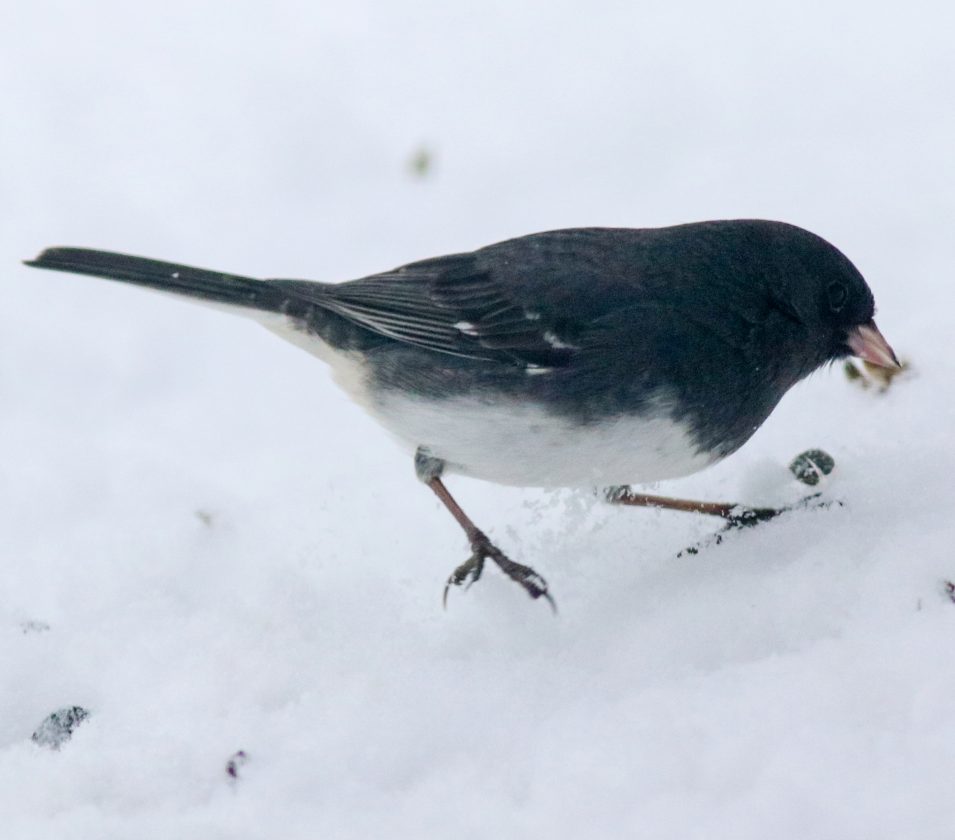
KAREN VIBERT-KENNEDY/Sun-Gazette Dark-eyed junco looks for food in the snow.
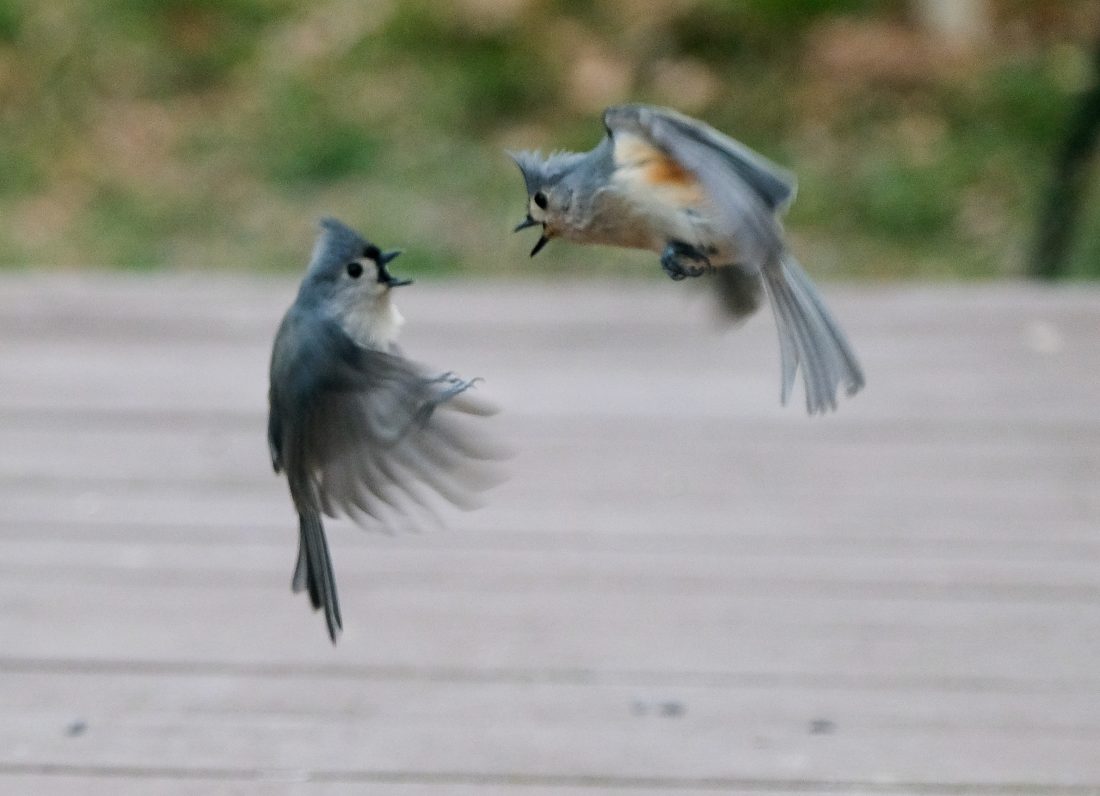
KAREN VIBERT-KENNEDY/Sun-Gazette Shown are two tufted titmouse birds.
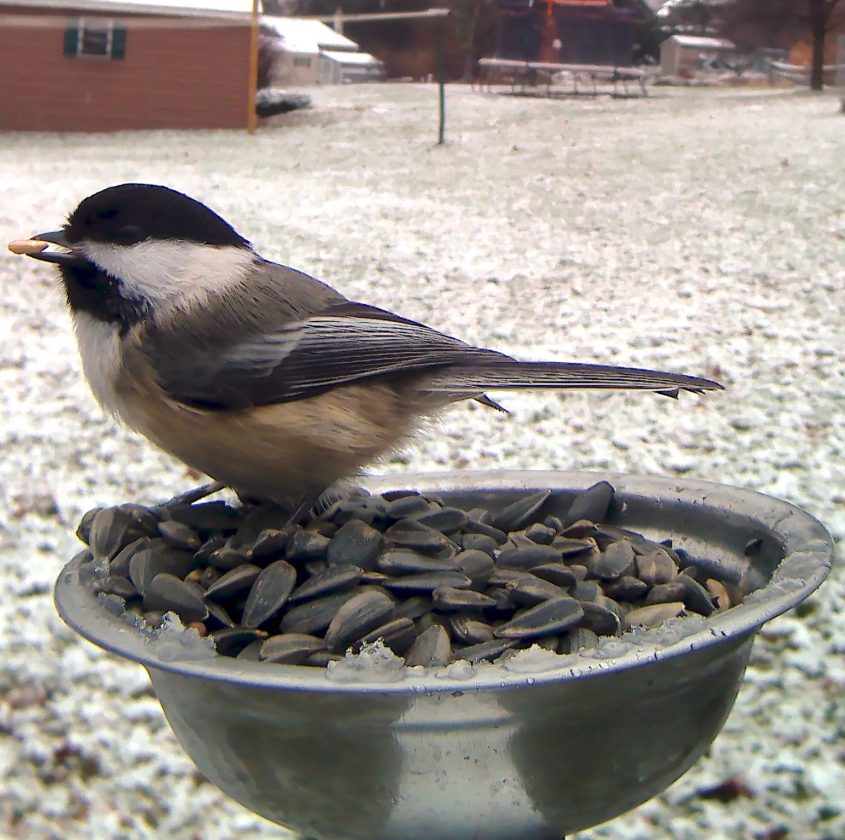
KAREN VIBERT-KENNEDY/Sun-Gazette A black-capped chickadee eats a seed from a feeder over the winter. Black-capped chickadees are just one of numerous birds people in the area may find during the winter months. Project FeederWatch hopes people help count birds they spot in their area through their program to help collect data.
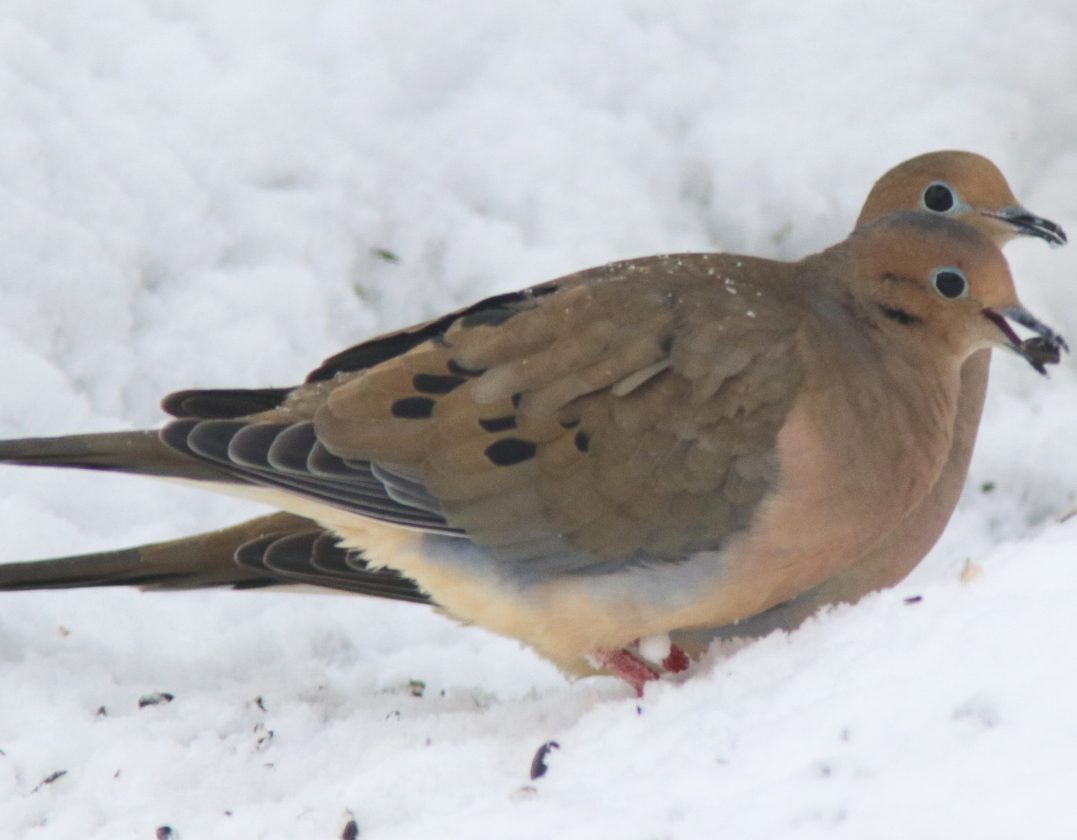
KAREN VIBERT-KENNEDY/Sun-Gazette Mourning doves eat seeds while perched in the snow.
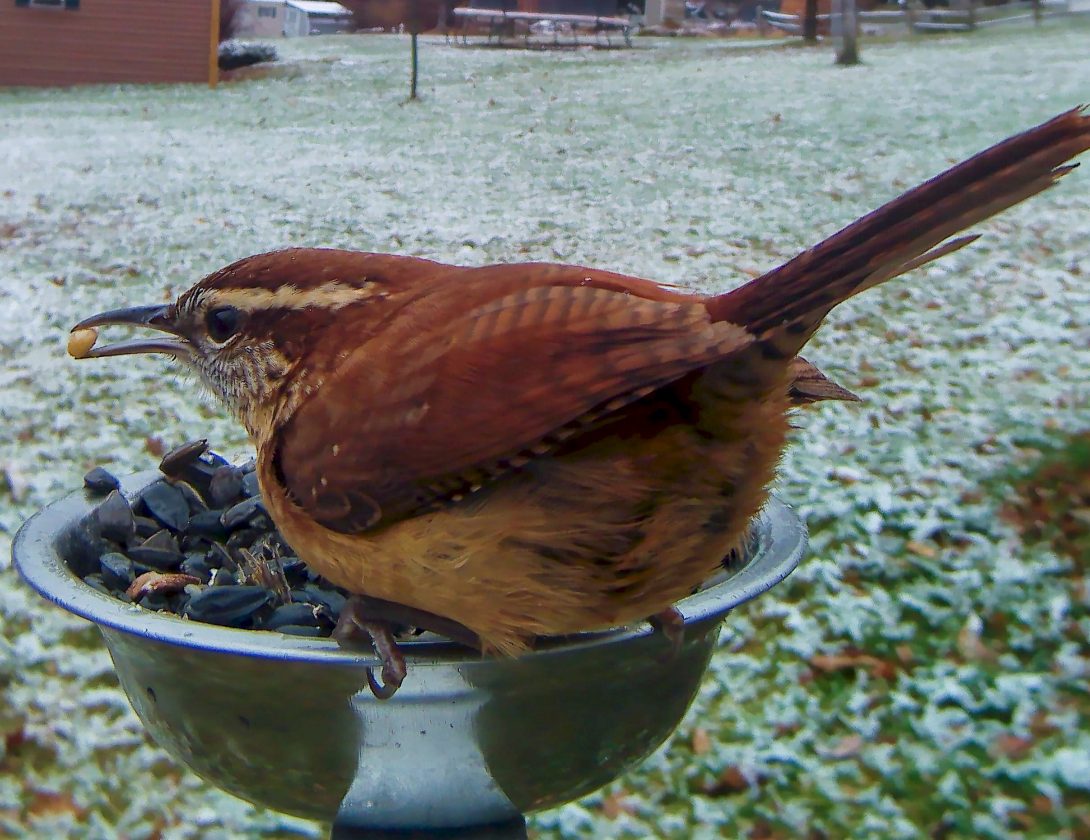
KAREN VIBERT-KENNEDY/Sun-Gazette A Carolina wren eats seeds out of a bird feeder during the winter months as a light covering of snow is shown on the ground.
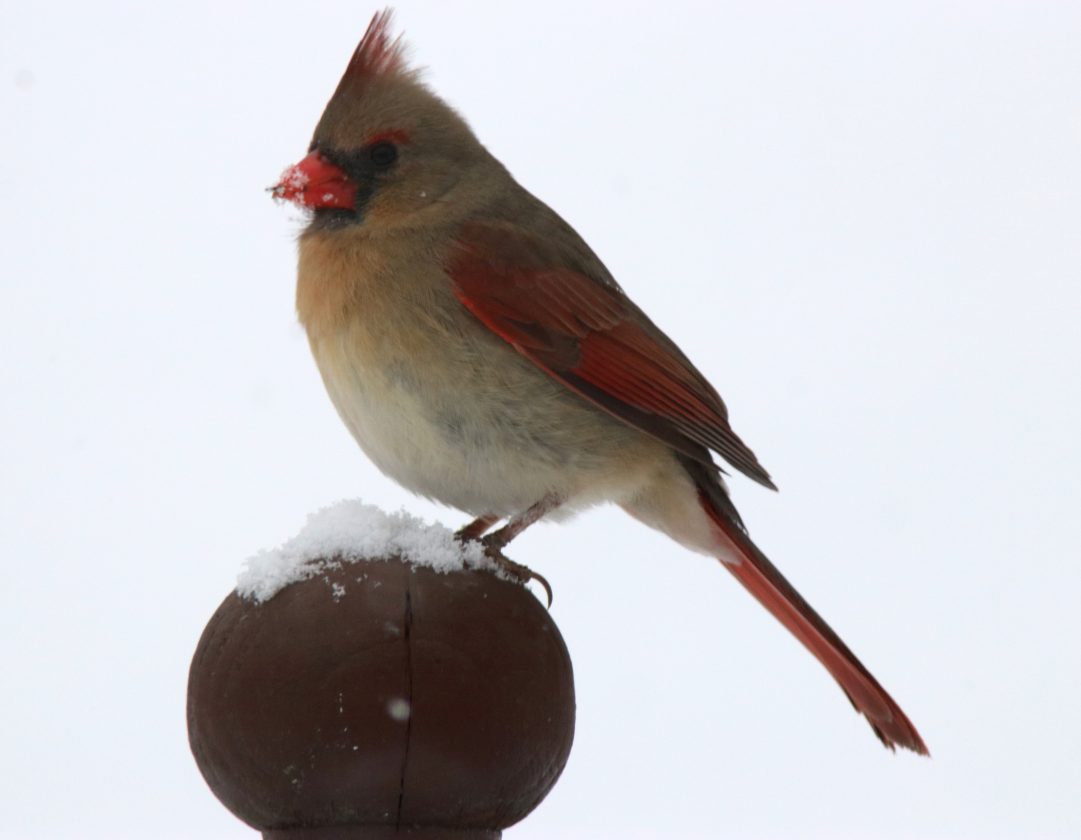
KAREN VIBERT-KENNEDY/Sun-Gazette A female northern cardinal is shown perched during the winter months as snow settles on its beak.
KAREN VIBERT-KENNEDY/Sun-Gazette A house finch sits on top of a bird feeder.
KAREN VIBERT-KENNEDY/Sun-Gazette Dark-eyed junco looks for food in the snow.
KAREN VIBERT-KENNEDY/Sun-Gazette Shown are two tufted titmouse birds.
KAREN VIBERT-KENNEDY/Sun-Gazette A black-capped chickadee eats a seed from a feeder over the winter. Black-capped chickadees are just one of numerous birds people in the area may find during the winter months. Project FeederWatch hopes people help count birds they spot in their area through their program to help collect data.
KAREN VIBERT-KENNEDY/Sun-Gazette Mourning doves eat seeds while perched in the snow.
KAREN VIBERT-KENNEDY/Sun-Gazette A Carolina wren eats seeds out of a bird feeder during the winter months as a light covering of snow is shown on the ground.
KAREN VIBERT-KENNEDY/Sun-Gazette A female northern cardinal is shown perched during the winter months as snow settles on its beak.
Trending
The ducks and geese have mostly flown south for winter already, and the sights of some familiar birds prancing around yards looking for food is done until spring rolls around. But the winter months and snow still bring plenty of birds throughout northcentral Pennsylvania.
And it's those birds that can be more than fun to watch.
For those involved with Project FeederWatch, being a bird watcher and looking at the various birds which congregate throughout the area is more than a fun hobby. It's a project they're passionate about and one that helps yield a lot of useful data.
Project FeederWatch allows people to watch and keep track of what birds visit their yards. The organization provides instructions with access to information online and tally sheets.
Over the course of two days, those involved will keep track of the highest number of species they see within their boundary. For example, if you see three chickadees one day, and five another day, you report the five. The organization recommends that people pick no more than one set of count days per week and leave at least five days between counts. There is no minimum required of counts and the data is useful for the organization even if people are only able to count on a few occasions.
"You can watch as little or as much as you want. It can be for five minutes, a couple hours. It's pretty flexible," Holly Grant of Project FeederWatch said.
The cost to participate is just $18 for a year, which supports the program.
"People donate so much of their time, but because so much are willing to donate extra funds every year, that's what's kept this program going for 35 years," Grant said.
The project started Saturday, Nov. 13, but it runs all the way through April 30.
The organization lists all of its resources and detailed instructions on its website at feederwatch.org, and you do not need to be signed up to view the resources.
For birds, people are to count only the birds they can see in their site, not birds they hear in the distance or those who fly over their property.
The project began as a concept in the 1970s in Canada. Biologists at the time wanted to know what was happening with winter bird populations and wanted to get those who love feeding birds to start counting to help provide data.
"That was the idea behind it in the 70s. Then in the 80s, Cornell Lab of Ornthology joined in," Emma Greig of Project FeederWatch said.
And while the organization is called Project FeederWatch, a bird feeder is not necessary or needed to participate.
"We modified our site description form so people can record the fact they may be watching birds without a feeder. That is such a valuable collection of data to have coming in," Greig said. "If you don't have a bird feeder, you can still do this program, and we want you to."
When people sign up, the organization sends a poster of the birds they're most likely to see around their yards based on their region. According to Greig, the average number of birds that comes to someone's back yard is 11. The poster helps people identify the birds. In addition, the FeederWatch website allows users to click on Explore and "Top 25 birds" to sort by state and region to see what birds they most likely will encounter. It also lists what percentage of sites participating saw each bird. For example, in Pennsylvania, 95.99% of sites saw a northern cardinal. In contrast, just 34.64% saw a purple finch.
People can also search under "Common Feeder Birds" on the website to see what birds are likely to be attracted based on region, food type and feeder type. While all sorts of food helps attract various birds to someone's property, native plants are something that are huge in attracting birds.
"Not only do they provide seeds and berries to attract birds, but it can also foster your insect population and native insects are 90% of the diet of nestlings in the springtime," Grant said. "Fostering those insect populations helps birds in the summertime and they have seeds and berries. That's a really great way to make your yard more friendly (to birds)."
As to what the organization has learned from the data? A lot.
"There have been dozens of papers -- scientific papers -- written about different topics coming from core FeederWatch bird counts. The coolest thing about it is the topics. OK all we can do is say population of this species went up or this species went down, but actually, you can overlay all types of information," Greig said. "You can say, 'Oh look, in places where people have hummingbird feeders out more often, we're seeing them in winter where they never used to be over winter before.' We can study behavior, climate, habitat use, disease… Name a topic, I'll bet you can write a paper about it."
The finds are available on the organizations website. FeederWatch will often do small writeups about these studies and put them in their winter bird highlights, which is the organization's annual summary.
"A little news piece about the research instead of people having to read the actual paper," Greig said.
Earlier this year, an outbreak of a bird disease prompted recommendations to not feed birds. According to FeederWatch, it's more than save now to keep feeding birds again.
"We still, as far as I know, don't understand what caused that or if bird feeders had anything to do with it," Greig said. "We don't know really what was the cause of some of that stuff."
Greig recommended to clean bird feeders if they notice certain birds are showing up or if a bird appears to be sick to prevent any spread of an illness.
Feeding birds in the winter has been beneficial for data for the organization as well.
"Some of the research that has been done on the impacts of birdfeeding in time of really cold weather, cold snaps, big snowfalls," Greig said. "Birds really benefit from the bird feeders. So winter is a popular time because it's when birds can most use that supplementary food."
While the data is beneficial and useful, and the organization is happy to have people participating, Greig was quick to point out that those who want to count should just have fun while participating.
"Just have fun and enjoy yourselves. A big part of this is when you enjoy yourself, and having this opportunity to collect data for the scientific community," Greig said.
"People of all ages can get involved here. We encourage people to watch in their backyard, we got some schools and nature centers who have some count sites in their backyard," Grant said. "It's a great way to get a better idea of what kind of birds visit your backyard. It doesn't require a ton of effort. You can be cozy in your recliner, look out your window and count birds."