
Plenty of colorful, loud birds inhabit your backyard to watch
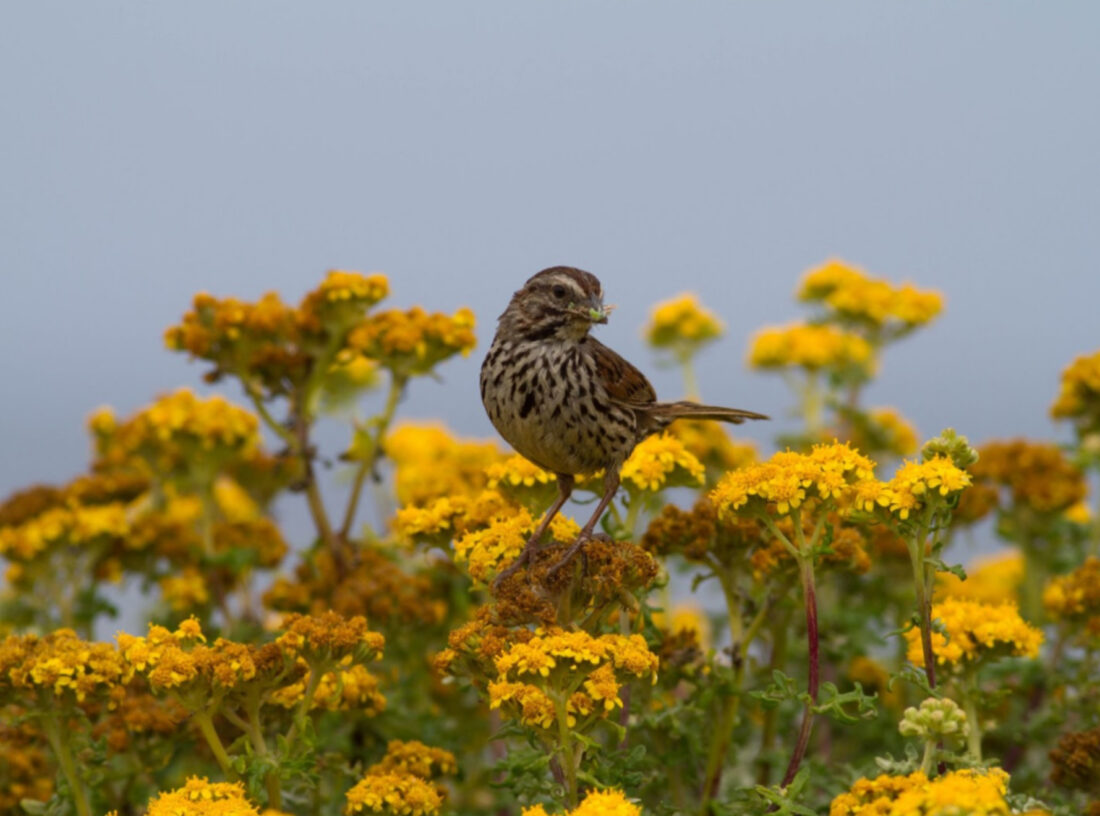
PHOTO PROVIDED Shown is a song sparrow in this photo by Modi Hammarstedt, which won an Audubon Photography Award.

PHOTO PROVIDED A gray catbird is shown in this photo by Will Stuart.
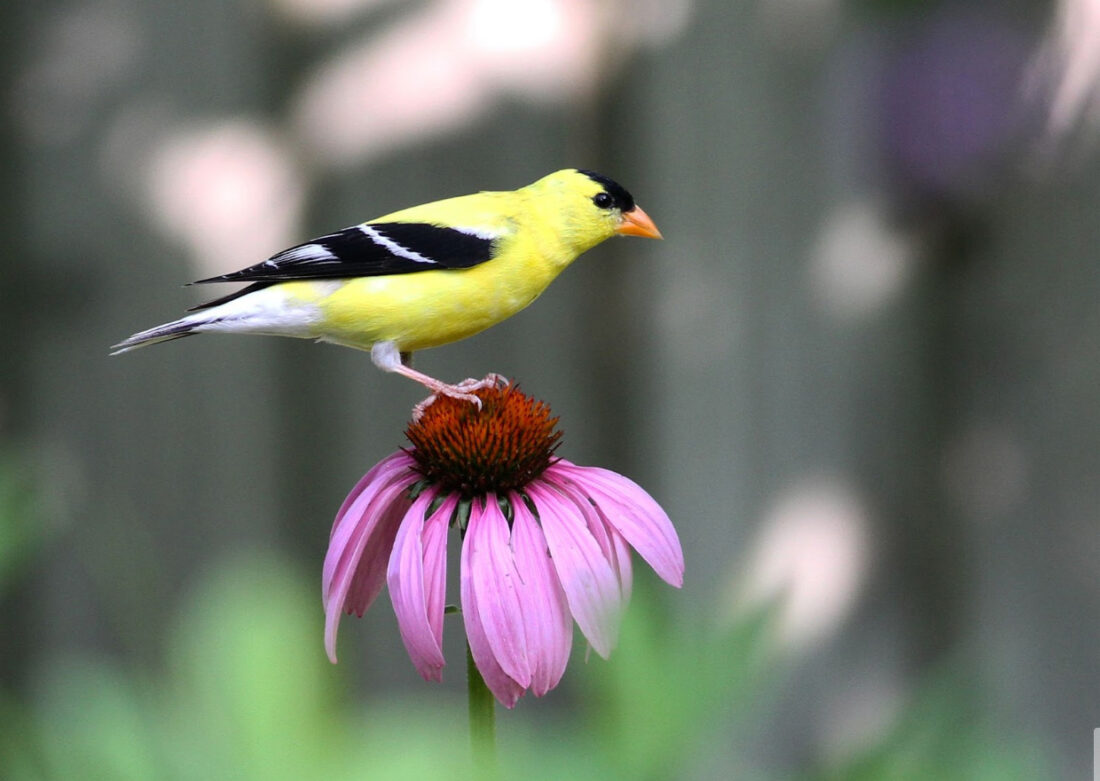
PHOTO PROVIDED Shown is an American goldfinch perched on a flower in this photo by Will Stuart.
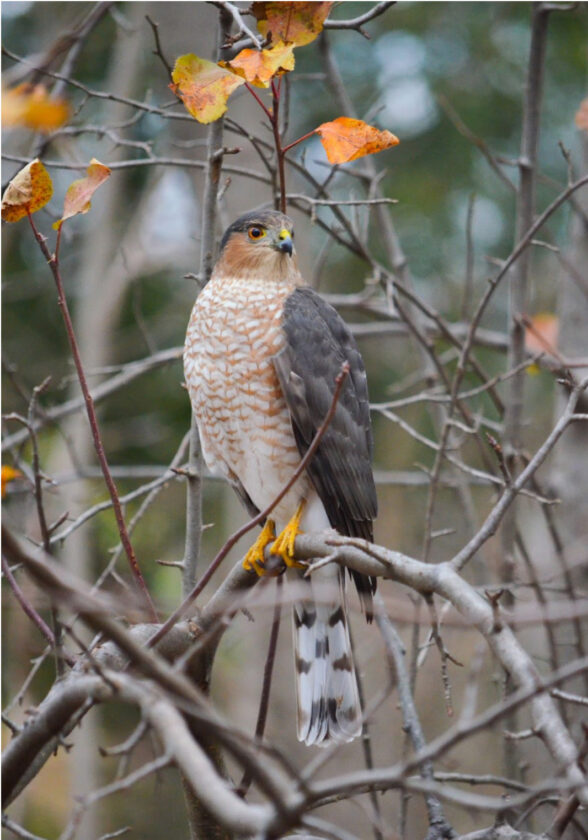
PHOTO PROVIDED A sharp-shinned hawk looks around at its surroundings in this photo by Samantha Clanton, which won an Audubon Photography Award.
PHOTO PROVIDED Shown is a song sparrow in this photo by Modi Hammarstedt, which won an Audubon Photography Award.
PHOTO PROVIDED A gray catbird is shown in this photo by Will Stuart.
PHOTO PROVIDED Shown is an American goldfinch perched on a flower in this photo by Will Stuart.
PHOTO PROVIDED A sharp-shinned hawk looks around at its surroundings in this photo by Samantha Clanton, which won an Audubon Photography Award.
Trending
My wife and I live on a quarter acre lot in the East End of Williamsport. Like all neighborhoods, there are lawn mowers, leaf blowers and kids playing, but otherwise our block is quiet.
So we have ample opportunity to enjoy the bird song and bird life in our yard.
We have house sparrows, arguably the most detested bird in North America. These Old World sparrows, introduced to North America in 1851, are one of the few birds that are not protected by the Migratory Bird Treaty Act of 1918.
They compete with, and will even kill, bluebirds to occupy their nest sites. On Lycoming Audubon's Bluebird Trails, we remove house sparrow eggs from their nests to prevent them from reproducing.
Some passionate bluebird lovers will go even further to reduce the population of house sparrows. Though I've seen and heard bluebirds in our neighborhood, they are uncommon in residential areas without open fields.
The native song sparrow, like nearly all species of birds, is protected by the MBTA, which was one of the Audubon Society's first major legislative accomplishments.
The Cornell Merlin app is a great learning tool to listen to birds and identify them in your backyard. I remember when all sparrows were just little brown birds to me. The song sparrow was one of the first I learned to identify by its familiar song, and the messy streaks on its breast that converge into a black spot.
I never tire of hearing this song in my yard.
From time to time, we fight the robin wars in our little backyard. To defend their breeding territory against rivals, the male robin will continuously peck at its reflection in a window. Northern cardinals are also notorious for pecking at windows, even at car mirrors.
Hanging some tape from the window usually distracts them, but one year their persistence led me to cover several windows with cardboard. This year they first nested in a bush next to our house.
One morning a crow, which will eat eggs and nestlings, briefly landed on top of the bush, but I shooed it away before it could find its meal. Blue jays will also occasionally eat the eggs of songbirds. Female robins typically build new nests for each brood, which may be two to three times a season.
Throughout June and into July, I enjoyed watching robins scratch for worms and ferry them continuously to their second nest site in our hedgerow.
There are songbird predators in our backyard, including neighborhood cats. Bird vocalizations include songs and calls. In your backyard, listen for alarm calls, often a cacophony of sharp chirps, and keep an eye out for predators. Studies estimate that more than 2 billion birds are killed by cats each year in the U.S.
To help protect our backyard birds, Audubon asks pet owners to keep their cats indoors.
There is a sharp-skinned hawk in our neighborhood. Songbirds are 90% of this predator's diet. One morning we saw a sharpie pick award a tufted titmouse in the weeping cherry tree in our front yard.
The sharp-skinned is an accipiter, a type of hawk that is adapted to fast flying through wooded areas. Our resident buteo is a red-tailed hawk. They have a diet of small mammals and I imagine they keep the squirrel population under control in our neighborhood. Buteos are sometimes referred to as soaring hawks and are often seen perched.
Through predators and window collisions kill more than 3 billion birds every year, perhaps the greatest threat to bird life in our communities is habitat loss. Audubon encourages you to plant bird-friendly native flowers, shrubs and trees in your yard to enhance bird habitat. The American goldfinch is a common, but beautiful yellow bird that eats the seeds of the purple coneflower.
One year a flock of these tiny birds feasted on a crop of sunflowers that sprouted in my small compost bin. I like to think that my efforts to add more native plant species to my garden is providing the habitat that attracts the insects that feed the birds we enjoy.
House finches are another common bird in our yard, and like many of you, we enjoy watching hummingbirds when they come to our feeder. It's hard to step outside during the summer months without hearing a northern cardinal or a gray catbird singing. The catbird is one of three mimics in our area.
Audubon's field guide describes the bird as "rather plain (looking) but with lots of personality." Listen for their cat-like mowing in your backyard as they continuously drone on for minutes at a time imitating other birds.
I keep a small feeder filled with black oil sunflower seeds in the weeping cherry out front, along with a suet cake during the winter months to attract black-capped chickadees, white-breasted nuthatches and woodpeckers. The downy and red-bellied are the most common woodpeckers we see, but from time to time, a hairy woodpecker will stop by to eat.
The hairy woodpecker looks like the downy, but is slightly larger and has a longer bill. For the first time last year, a pair of mourning doves gathered some twigs and nested in the crotch of the cherry tree, just feet from our sidewalk and front door.
We've lived in our home for more than 30 years and though I've always had an interest in birds, I didn't always recognize what I saw in my own backyard. Before they were familiar to me, I Remember a small flock of what looked like cardinals with yellow-tipped tails passing through my yard.
I discovered they were cedar waxwings. Once an indigo bunting showed up at my house feeder and I recall many years ago a small group of pine siskins eating me out of house and home.
This year, for the first time, I saw from my backyard chimney swifts flying overhead. Then there was the year that merlins, a small falcon, nested near the armory and from our backyard, we watched the fledglings fly about for a few days.
To paraphrase a line that I recently read, birding in my backyard has helped me to see the world, and my place in it, differently. I'm sure to many of you, the species I've mentioned are familiar. But if birding is an interest you would like to cultivate, no matter where you live, your backyard is a good place to start.
Then you can venture out to other places and look for less familiar and less common birds. And please, always feel welcome to join your local Audubon Society on a field trip, where others will happily share their knowledge and understanding of birds and their behaviors with you.
Happy birding.
Bruce Buckle is a retired educator and volunteer with the Lycoming Audubon Society. He is currently serving as president of Lycoming Audubon.
BIRD LORE is produced by the Lycoming Audubon Society (serving Lycoming and Clinton Counties) and Seven Mountains Audubon (serving Union, Snyder, Northumberland and Columbia Counties) and Tiadaghton Audobon Society (serving Tioga and Potter Counties). Information about these National Audubon Society chapters can be found at: http://lycomingaudubon.blogspot.com, http://sevenmountainsaudubon.org and https://tiadaghtonaudubon.blogspot.com.