
Trending
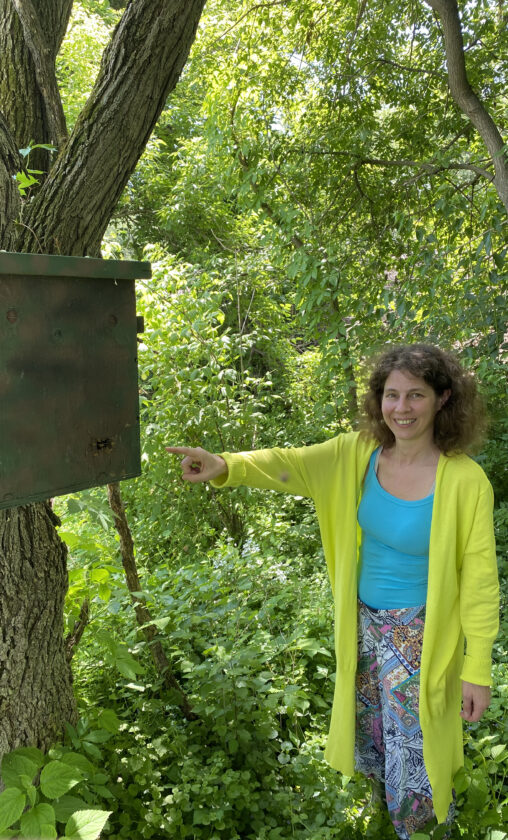
Rewind just a few years ago, and Loyalsock resident Al Sever didn't know there was such a thing as trapping bees. It was only a couple years ago he went to buy a few bees from a man in Bloomsburg and was given some traps.
Perplexed, Sever asked the guy what they were for.
"To catch bees," he told Sever.
From there, a new hobby if you will was put into Sever's mind. Some people go out and catch fish in various types of nets or fishing traps. Other people trap various forms of mammals.
Sever traps bees.
What may sound strange to some is a beneficial thing for Sever and his wife Lisa, who have been trapping bees for a handful of years now. It allows them to keep bees which are native to the area here, instead of buying southern bees which don't have the best chance at surviving harsh winters in Pennsylvania.
"The thing with swarm catching is it's a way to get bees that are localized who have genetics for the north. Most of the bees you buy come from Georgia or Florida, and a lot of people say 'why are you bringing bees north? You expect them to make it through the winter?'" Sever said.
While some bees do make it through Pennsylvania winters from southern states, it's not nearly at the same rate of northern bees which are used to the temperatures and weather.
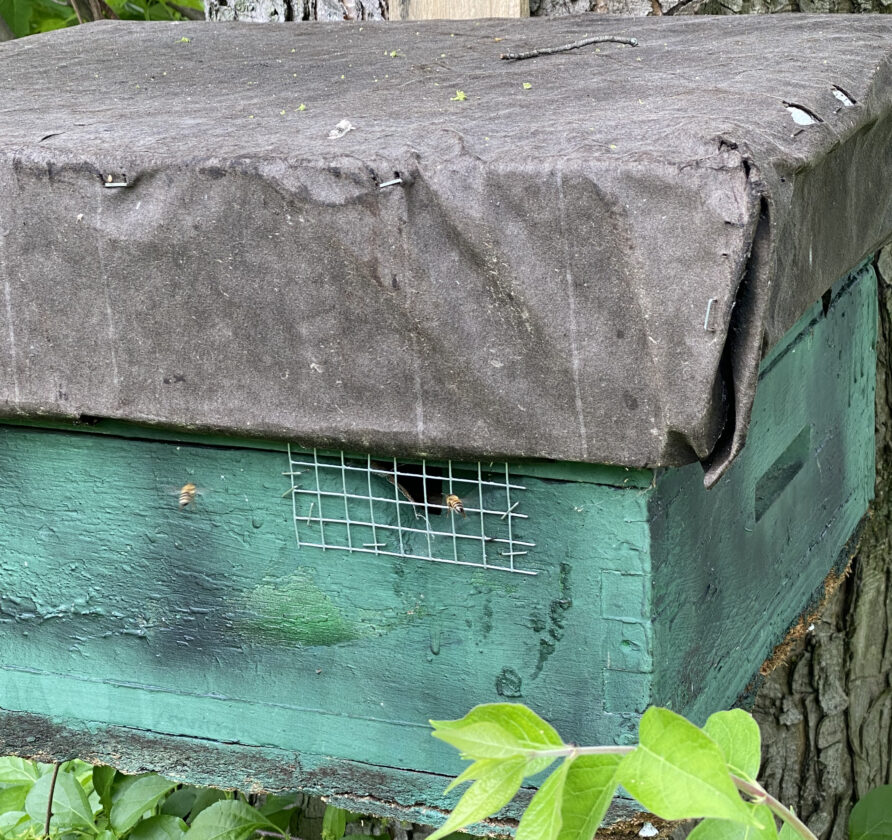
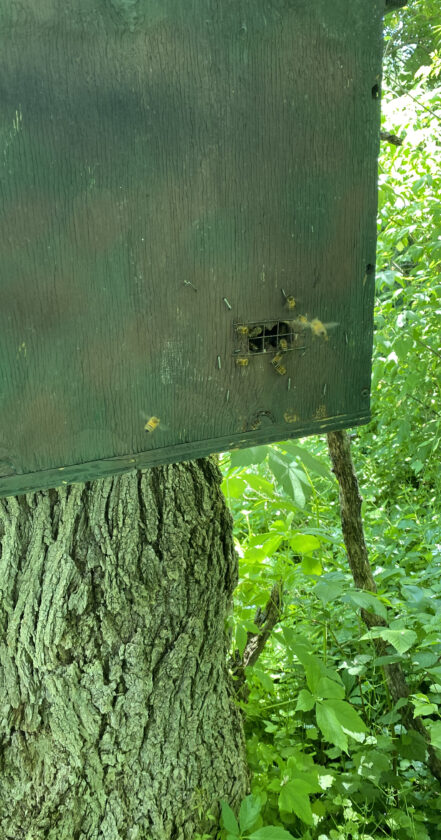
Every year, a hive's queen bee will leave its hive and take thousands of its bees with her to a new location, often a hallowed out tree, to begin a new hive. The old hive will anoint a new queen bee. The traps work in the same way. Rather than starting in a hallowed out tree in the woods, they'll instead go to a trap.
Bees will gorge themselves on honey when they leave the hive. That allows the bees to use it to make wax in the new colony site once they leave the hive. That's why a trap won't see honey when you have one set up. Instead, it's to get the bees into the trap so you can then move them to make a new hive and produce honey.
"That's how bees scatter around the country size. They don't have the queen go out herself, she goes with a whole pile of bees," Sever said. "The old one leaves, they leave half the honey behind for the old hive and they'll make a new queen by feeding royal jelly to one of the young bees."
Sever noted that a small amount of lemongrass oil does the trick for attracting the bees to a trap.
"I've had them come within two minutes," Sever said of putting a few drops of oil on his traps.
The scout bees, not the queen, are the bees which initially go out and look for places for a new hive, and the traps are often where they will end up going.
"They find all the hollow trees and where it's possible to start a new colony. They check things out. If they decide to swarm, they go to one of the places the scouts were at," Sever said. "You might attract them in a couple of minutes."
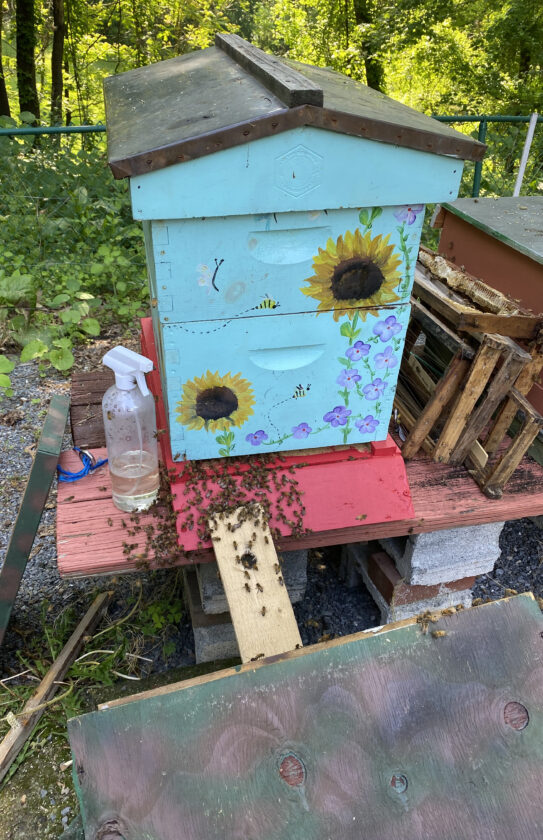
The Severs have a few hives at their property and set out the traps to help boost the number of bees in their colonies. Sever noted, however, that they don't put traps out simply for colonies, but rather to catch local bees for their genetics and their ability to survive in the area. Within the last few weeks, they have caught three swarms and had two more moving into traps.
The traps won't enable bees to produce honey right away. It will take a year at least until they make honey the following spring and summer.
"A lot of people are interested in bees, but they don't wanna spend the money. I've given a wooden hive out to people, but I don't have bees to give them, but most don’t want to spend $200 to get bees when they can trap their own if they wish," Sever said, noting he's given out 13 traps in the last two years.
Like a bee hive full of honey in the woods, bee traps and hives attract bears as well. It's something Sever found out the hard way when he had 14 traps destroyed last year.
"I've talked to other people around Williamsport who have bee hives around the city and they lose their hives to bears also," Sever said. "There's more bears around here than you realize."