A key lesson about huddling, reflection from bobwhite quail
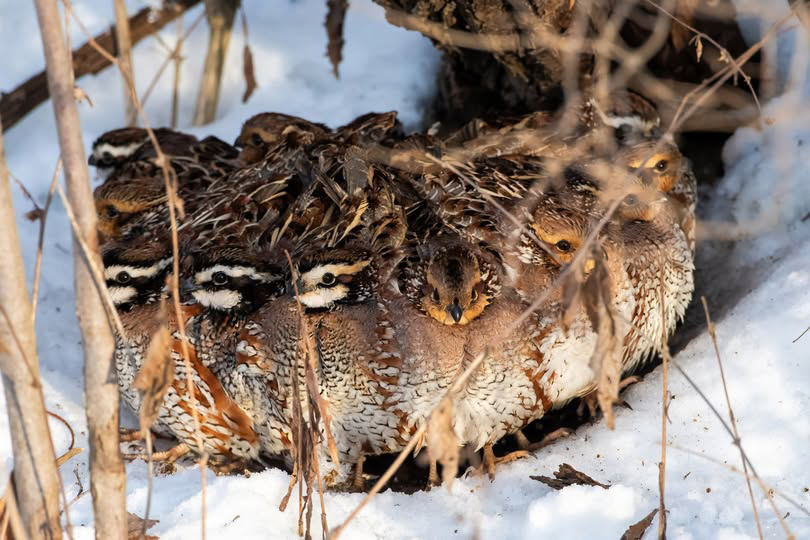
PHOTO PROVIDED Bobwhite quail, after impact from a traumatic event, will call each other together into a tight grouping called a covey to regroup and fend off additional danger as a group as shown in this photo by the Middle Susquehanna Riverkeeper Association.
Bobwhite quail, after impact from a traumatic event, will call each other together into a tight grouping called a covey to regroup and fend off additional danger as a group.
It was a phenomenon that always fascinated me growing up on a small game farm in central Pennsylvania. After the hunt when the quail that weren’t harvested that day were scattered, as evening approached, I’d hear an orchestrated symphony of “bob … bob-white” calls across my parent’s farm fields.
The birds used that call to gather before nightfall. They’d huddle together to share warmth and watch for predators.
I appreciate that instinct, and find myself bob-white quailing when tragedy strikes. When life throws a gut punch that leaves me or someone else in the immediate family reeling and we need to circle the wagons, pull away from the Matrix-like distractions of the external world around us and focus within.
My family had – and continue to navigate – one of those moments this holiday season. We unexpectedly lost my wife’s sister shortly after Thanksgiving and since then have been picking up the pieces, trying to figure out next steps for her two sons and how we all are going to manage the changes both immediate and long-term.
Before that incident, I had been completely immersed in the world of data centers, not realizing until more recently that to try to understand this hot button topic that has swept across the watershed and state, you basically have to become a data center yourself. Immerse yourself completely in data, process it night and day while consuming large amounts of energy – mental and emotional in my case.
The long hours of meetings and online research. The conversations over the phone, in people’s living rooms, in hallways after public sessions ended. Seeing people who have dedicated their lives to saving their multi-generational family farm only for a potential project or rezoning to threaten everything in an instant. Families that have uprooted from urban areas to move here specifically to raise their children in the bucolic rural atmosphere of the Susquehanna River watershed, who suddenly find themselves on the boundary of a potential industrial rezoning project that could reverse everything. People worry about reliable access to clean water for their kids and grandchildren.
One day, specifically, I was in a public meeting where the heart-felt stories were on full display – it was apparent just how impactful one potential data center project could be to the lifestyle of this rural community.
However, shortly after, a few blocks away in the same town, I was in a conference where other people were touting AI and data centers as if these projects would be bringing an influx of jobs and educational assets to the region. However, that cheerleading and excitement sounds pretty hollow after hearing tear-stained pleas from the previous meeting. That juxtaposed with the tone of this session highlighted the overall disconnect on how these projects could impact real people.
In just five years of Riverkeeper work, I have already seen some harsh realities: that some of the corporate pollution cases you’d think could only come from a John Grisham novel or movie plot actually do happen and can be in our own backyards.
I am not saying these data center situations are among them, but they have the potential to be very quickly based on the constant gold-rush like cycle our region continues to fall into. Timbering, the coal industry, fracking – all these and more come with promises of riches and are pitched as solutions to our greater region’s economic woes. And yet, whatever financial benefits do come in are fleeting and experienced by a minority. The bottom eventually always falls out and we are left with environmental cautionary tales — like orange-stained abandoned mine discharge-impaired streams — that we never learn from.
Data centers currently require large warehouses that in many places are proposed in regions that threaten key grassy, agricultural and other early successional habitats that are essential for species, ironically, like bobwhite quail, bobolinks, Northern harriers and other birds that have seen drastic declines across the state and beyond.
It is one of so many reasons (threats to water usage among them) that should give us pause – to huddle like a covey of quail – and really assess the pros and long-term cons of possible data centers in rural places instead of rushing into decisions we may regret later.
For me, the perceived rush of the data center push across our region only added to the need to dig deeper, digest more and try to help people across our watershed better understand the nuances of public meetings and hearings, rezoning requirements, municipal code and potential bigger environmental threats. There was no time to waste.
But, then, our family’s personal tragedy. Like vasodilation – the process in our bodies where blood vessels change to redirect blood to areas of need in our body – and like a covey of quail, the attention and mental resources went inward and I realized, in the process, just how much of myself had been going into the matrix of data center concerns and other waterway threats and how little into things at home and with family – especially one with some big new changes on the way.
The Middle Susquehanna Riverkeeper Association serves 11,000 square miles of watershed from the headwaters of the West Branch to the New York state border to eastern headwaters of tributaries that flow into what some call the North Branch. There are so many important issues, all revolving around the essential, life-sustaining need for pure water.
As I huddle in my covey surrounded by close family and friends and support from our church, it is a good time to assess that all, to make sure we – as an association – are using our resources as wisely as possible for real, long-lasting change, especially in the face of increasing costs and new waterway issues.
We had a lot of successes in 2025, numerous programs and new connections and progress made on many different fronts. We are thankful for those and the people who helped make them a reality via their donations and volunteer time and we are excited to build on those successes in 2026 and beyond.
Our association’s leadership will be meeting in January for a strategic planning overview, to review where we have come in the past 10 years and develop some next-step priorities to make sure we are best serving the watershed for the next 10 and beyond.
As always, but especially now, we are looking for people who are motivated to get involved in real ways with the movement to take our online survey and potentially get involved in the process.
This could be as volunteer sentinels, keeping an eye on waterways in your local community for us, or helping out at a youth program day or manning a booth for us at an upcoming show or grabbing some water samples or helping with a trash pickup event or just telling your story because that may inspire someone else to tell theirs.
The Middle Susquehanna Riverkeeper Association has a few key initiatives going on that people can get involved in. Those can be found at the organization’s website.
Ultimately, the holidays for many offer a time to reflect on family, on the past year and what the new year opportunities can provide.
For my family, it has been especially introspective, and the gut-punch we received has helped put things in focus in terms of balance and priorities. That will only help us as an association as we work to make the most of our efforts in 2026 and beyond across the greater watershed, and we are excited for new opportunities and partnerships.
Happy New Year, and we look forward to seeing you on the river soon.
The Middle Susquehanna Riverkeeper Association serves an 11,000-square-mile watershed of the Susquehanna River, including Sullivan, Lycoming, Clinton, Union and Northumberland counties. Read more at www.middlesusquehannariverkeeper.org.
Outdoors
Reflections in Nature: When discussing a buck’s rack, deer have antlers and not horns
The regular 2025-2026 deer season will end on January 19, with the closing of the flintlock season. Those hunters ...
A key lesson about huddling, reflection from bobwhite quail
Hunters can have their antlers scored in early Feb.
Pennsylvania deer hunters can have their antlers scored by certified Boone & Crockett and Pope & Young ...
116-acre property near Hughesville donated to Northcentral Pennsylvania Conservancy
Susquehanna TU offering fly tying course soon
The Susquehanna Chapter of Trout Unlimited is pleased to announce it will be offering a beginner’s fly tying ...