
Migration season on Susquehanna River is here
-

- PHOTO PROVIDED Wood ducks take off from a waterway in this photo by Rita Scholl.
-
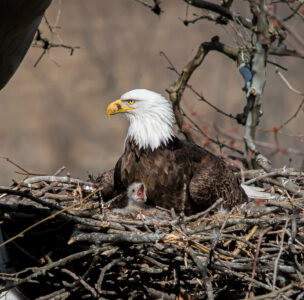
- PHOTO PROVIDED An eagle is shown with a young eaglet in a nest in this photo by Ed Boardman.
-
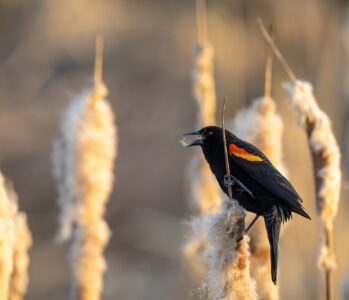
- PHOTO PROVIDED A red-wing blackbird is shown in this photo by MIchael Dreese.

PHOTO PROVIDED Wood ducks take off from a waterway in this photo by Rita Scholl.
Flowing through the heart of Pennsylvania and beyond, the Susquehanna River serves as a vital corridor within the Atlantic Flyway — one of four major migratory bird routes in North America. Stretching more than 3,000 miles from Arctic tundra to the Caribbean and South America, the Atlantic Flyway supports more than 500 bird species.
Millions of waterfowl, shorebirds, raptors and songbirds rely on this pathway each year, and the Susquehanna River and Chesapeake Bay watershed form one of its most important stopover networks.
Migration is triggered by changing day length, temperature shifts, food availability, and genetic instinct. Spring migration is often swift and urgent as birds move toward breeding grounds, while fall migration unfolds more gradually as birds head south.
Here along the Susquehanna Greenway — the land and water corridor that lines the Susquehanna River — these seasonal movements offer some of the most remarkable wildlife viewing opportunities in the region.
Waterfowl: Early Signs of the Season
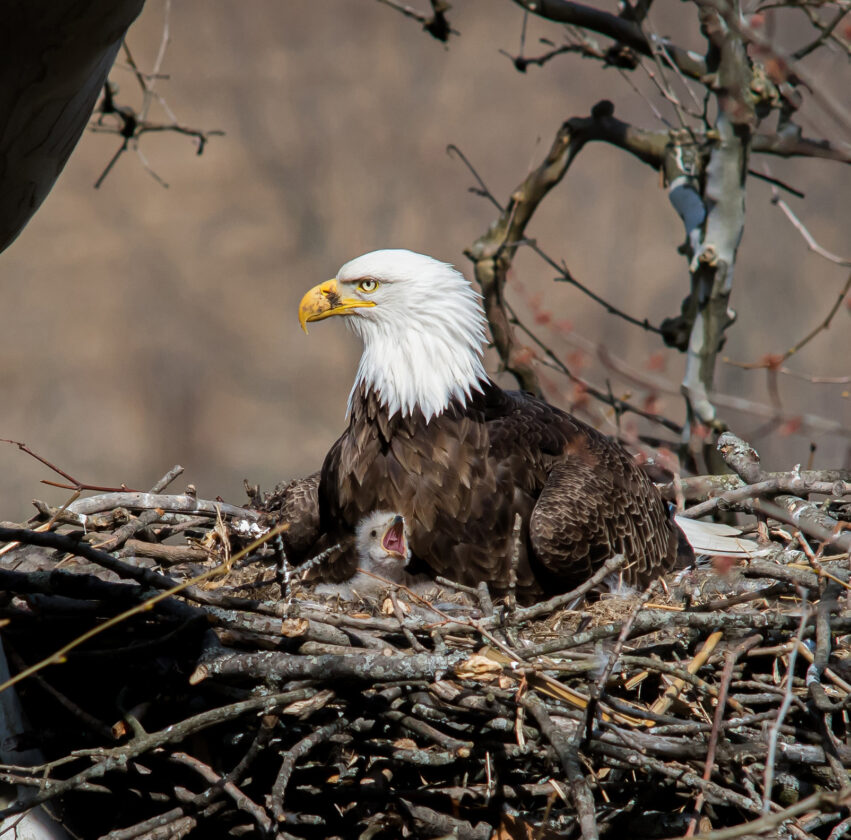
PHOTO PROVIDED An eagle is shown with a young eaglet in a nest in this photo by Ed Boardman.
As winter begins to loosen its grip, flocks of waterfowl move north along the river. The elegant Tundra Swan and large groups of Snow Goose are among the most noticeable travelers. Their calls often carry across the valley on late winter and early spring evenings.
Because the Susquehanna’s current keeps sections of water open even in cold weather, it provides reliable feeding habitat. Ducks such as common merganser and other diving species gather on open stretches of river to rest and refuel before continuing north.
Peak viewing for swans and Snow Geese typically occurs from late February through March, with broader waterfowl movement continuing into April and May.
Shorebirds: A Stop Along the Way
On the Lower Susquehanna, the Conejohela Flats serve as one of Pennsylvania’s most important migratory stopovers. When water levels are right, exposed mudflats provide critical feeding habitat for shorebirds traveling between South America and Arctic breeding grounds.
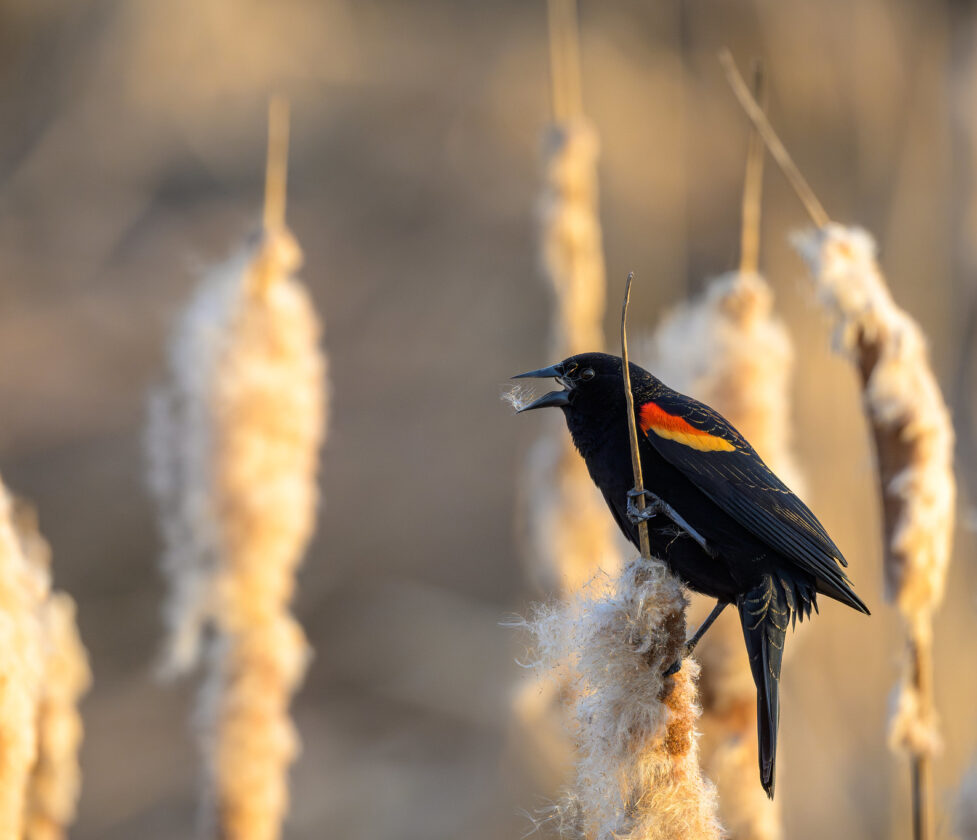
PHOTO PROVIDED A red-wing blackbird is shown in this photo by MIchael Dreese.
Spring brings sandpipers, plovers, and other small shorebirds stopping briefly to refuel. Activity typically increases in April and May, while late August through September marks peak southbound movement.
These resting and feeding areas are essential. Without places like the Conejohela Flats, many birds would not be able to complete their long migrations.
Raptors:
Riding the Wind
The Susquehanna River corridor also guides birds of prey. In spring, hawks and other raptors move north following the river valley and nearby Appalachian ridges.
Unlike fall — when large numbers concentrate along ridgelines — spring migration is often more spread out and less predictable. On warm days with rising air currents, observers may spot small groups of migrating hawks circling on thermals before drifting north.
Spring is also nesting season. Bald Eagle pairs are active along the river, tending nests and raising young. Other resident hawks begin courtship displays and territory defense, making this a good time to observe breeding behavior as well as migration.
Songbirds:
A Moving Chorus
While waterfowl and raptors are easy to spot in open skies, millions of songbirds move quietly along the river corridor each spring. Many migrate at night, settling into riverbank forests at dawn to rest and feed.
March brings familiar early arrivals like red-winged blackbird and American robin. By late April and early May, migration builds steadily. Trees along the Susquehanna fill with warblers, orioles, thrushes, and other insect-eating birds taking advantage of newly emerging foliage.
Peak movement typically occurs in early to mid-May. On calm mornings, attentive listeners may notice how active the river corridor becomes as birds forage and prepare for the next leg of their journey.
The River as a Lifeline
Landforms such as river valleys and ridgelines help guide migrating birds. Just as important are stopover sites–places to rest and refuel. The Susquehanna River and Chesapeake Bay watershed together form the largest watershed on the East Coast, providing a mosaic of habitats that sustain migratory species year after year.
For those who live and work along the Susquehanna, migration is part of the region’s natural rhythm. It connects our communities to landscapes far beyond Pennsylvania and reminds us that the river plays a role in something much larger.
Close to home, the Conejohela Flats is one of Pennsylvania’s dependable sites for observing large numbers and diversity of shorebirds in one place. Other hotspots include Wildwood Park in Harrisburg and the Susquehanna Riverlands in Berwick, as well as several other protected river islands and conserved lands.
A Season to Begin
If you are new to birding, spring migration offers an accessible starting point. A simple sunrise visit to a river access area can reveal more activity than expected. Listen for unfamiliar songs. Watch for movement in the treetops or flocks passing overhead.
Binoculars and a field guide are helpful, but curiosity is the most important tool. Digital resources such as eBird and Merlin Bird ID can help with identification and tracking sightings. For those curious about larger migration patterns, the Bird Migration Explorer at audubon.org offers interactive maps showing where species travel throughout the year.
Migration is one of nature’s great shared experiences. Whether you are birding for the first time or returning each season with a well-worn field guide in hand, the Susquehanna Greenway invites you to look up, listen closely, and become part of a story that stretches from Arctic tundra to the shores of the Susquehanna River.
Looking for a little guidance in the world of birding? Join the Susquehanna Greenway Partnership, PA Master Naturalist, and the Lycoming Audubon Society for a guided bird walk at the Robert Porter Allen Natural Area this Earth Day, April 22. Details can be found at susquehannagreenway.org/events.
The Susquehanna Greenway is a corridor of connected trails, parks, river access points, and communities, linking people to the natural and cultural treasures of the Susquehanna River. The mission of the Susquehanna Greenway Partnership is to is to work hand-in-hand with local, state, and national partners to complete the Susquehanna Greenway trail corridor and create resources that open the outdoors to everyone, ensuring all can experience the beauty and adventure of the Susquehanna River.
Katharine Hendricks is the Education and Outreach AmeriCorps Assistant for the Susquehanna Greenway Partnership. A recent graduate of Penn State Behrend in Erie, her work with SGP is focused on promoting trails and communities within our vibrant and connected Susquehanna Greenway, so that the public can enjoy opportunities to engage with the outdoors. Visit susquehannagreenway.org to learn more.
Outdoors
Migration season on Susquehanna River is here
The importance of a good leader when it comes to fishing
From the boardroom to the battlefield, the leader can be the difference between winning and losing. The same can be ...
Redmond named new manager for Little Pine State Park Complex
HARRISBURG — Department of Conservation and Natural Resources secretary Cindy Adams Dunn announced the ...
Outdoors community calendar for week of March 17
VIRTUAL CCC OF CLINTON COUNTY WHERE: Virtually online via Microsoft Teams WHEN: Tuesday, March 24 from ...
Reflections in Nature: Sighting of herons means spring’s arrival is on schedule
By now, most of us have seen our first robin of the year and also have seen and heard the flocks of geese heading ...
Pine Creek Rail Trail selected as Pennsylvania’s 2026 Trail of the Year
HARRISBURG — The Pine Creek Rail Trail, a 62-mile scenic journey through the Appalachian Mountains in Lycoming ...