
Bird Lore: When it comes to birding, you are not a lost cause at all
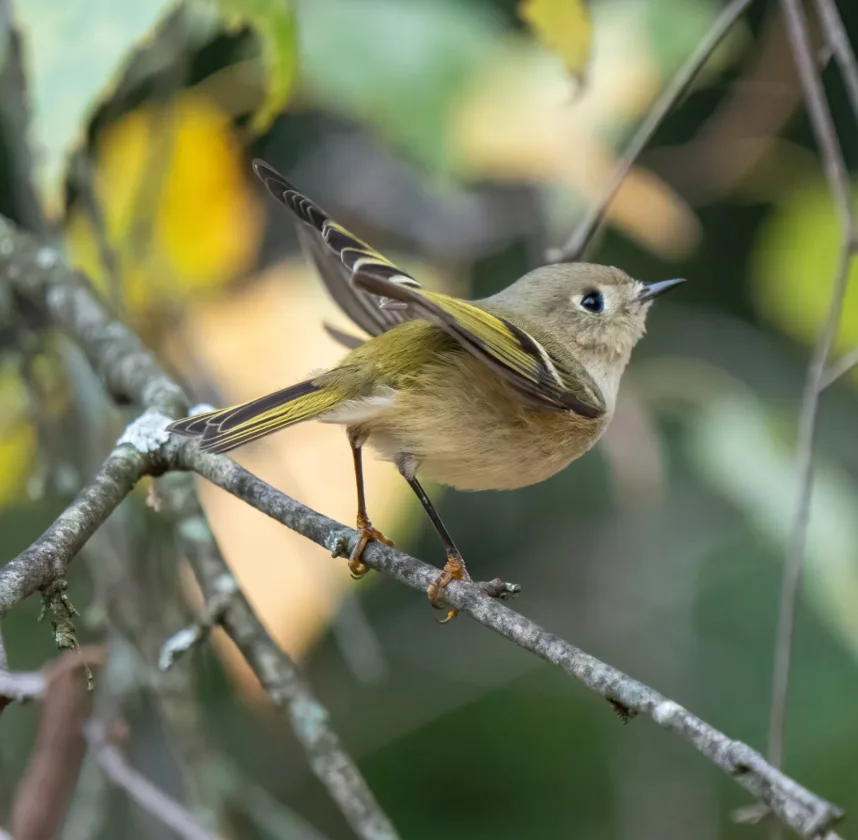
PHOTO PROVIDED An ruby-crowned kinglet is shown on a branch fluttering its wings in this photo by Jessica Sauder.
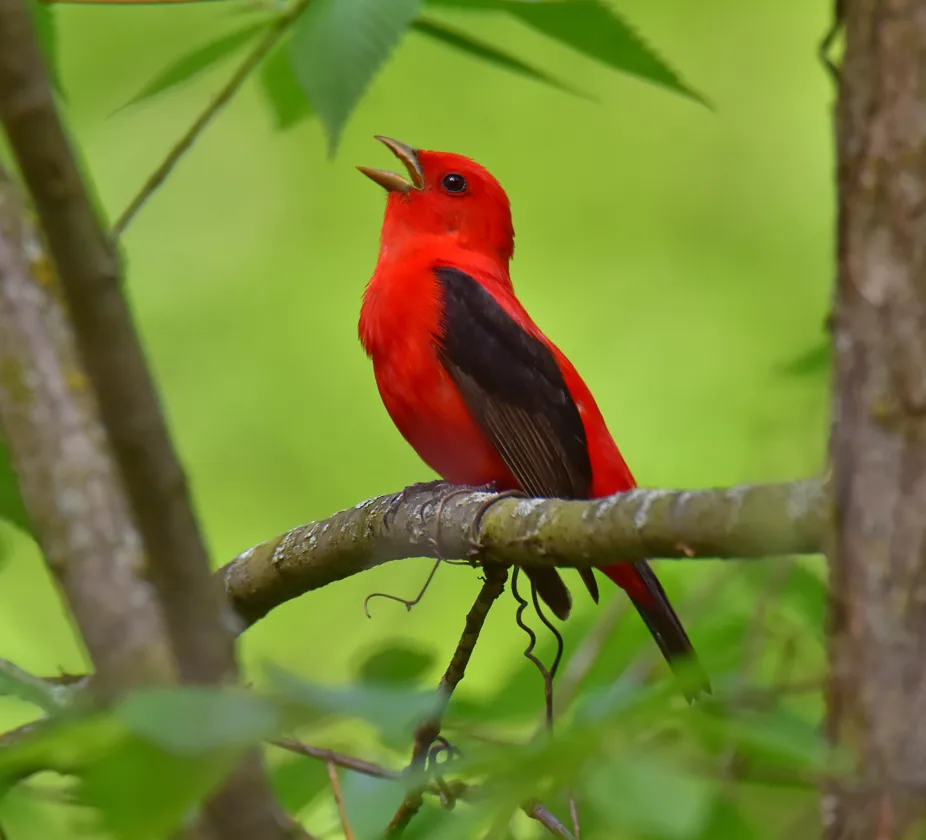
PHOTO PROVIDED A scarlet tanger chirps while on a branch in this photo by Travis Bonovsky which won a 2021 Audubon Photography Award.
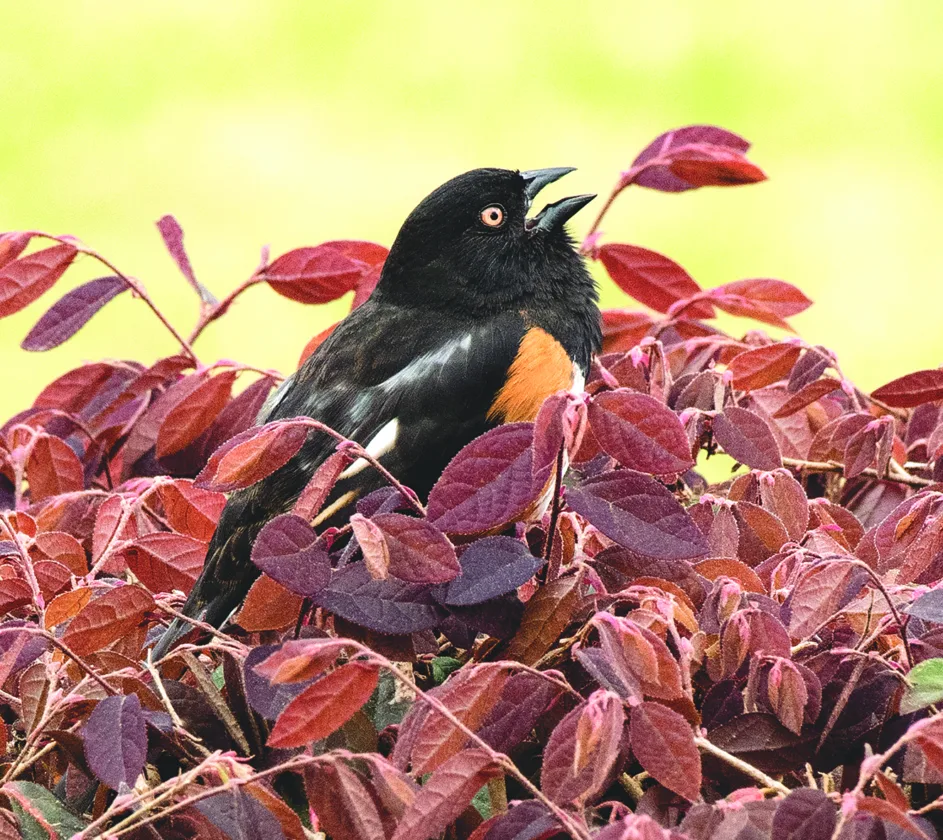
PHOTO PROVIDED An eastern towhee is shown in a pile of leaves in this photo by Melinda Welker which won a 2023 Audubon Photography Award.
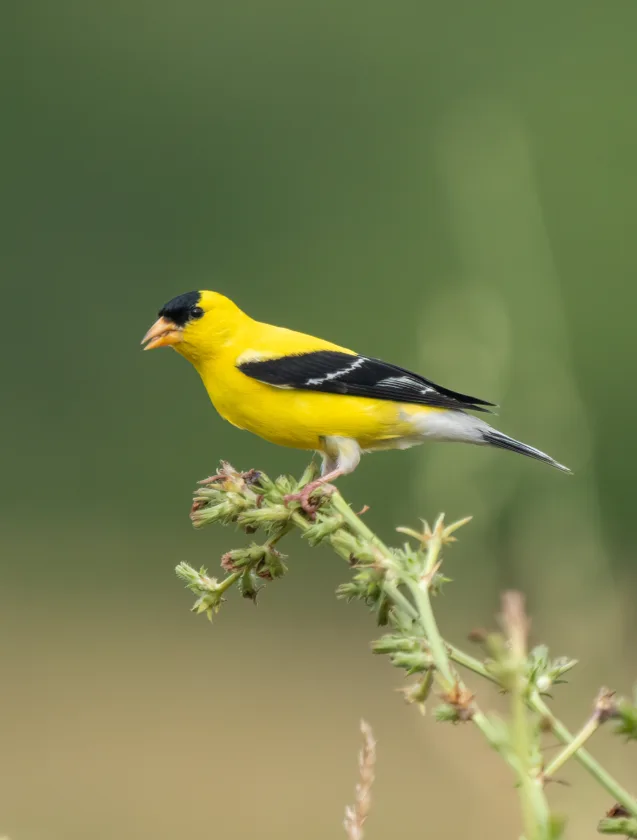
PHOTO PROVIDED An American goldfinch is shown on a branch fluttering its wings in this photo by Jessica Sauder.
PHOTO PROVIDED An ruby-crowned kinglet is shown on a branch fluttering its wings in this photo by Jessica Sauder.
PHOTO PROVIDED A scarlet tanger chirps while on a branch in this photo by Travis Bonovsky which won a 2021 Audubon Photography Award.
PHOTO PROVIDED An eastern towhee is shown in a pile of leaves in this photo by Melinda Welker which won a 2023 Audubon Photography Award.
PHOTO PROVIDED An American goldfinch is shown on a branch fluttering its wings in this photo by Jessica Sauder.
Trending
Once upon a time on Hawk Mountain I overheard someone say, "In Peterson's Field Guide, there are two pages of 'confusing fall warblers.' I figure if they were confusing to Peterson, then I'm a lost cause."
It was funny, and it rang true.
To be clear this wasn't said by an official counter, naturalist or employee of Hawk Mountain, and I don't bring it up to shame anyone. If I did, I'd be shaming myself because I think I kind of took it to heart.
Over the years it became my excuse for not branching out from hawk watching. To be fair, I was busy. First, I was a dad with young kids, later a dad who was going back to school and working full time. I had a lot going on and no real desire to try to get bogged down in the difficulties of small bird ID.
I had already put many autumns' worth of time into learning how to distinguish far away specs by how they flew, how they held their wings, by general size, shape and impression. After all, it's really hard to distinguish fine points of plumage at a distance, even with good binoculars. I thought I didn't have the heart for counting wing bars and examining eye rings.
But of course, eventually, I saw in the woods my first ruby-crowned kinglet and later my first rufus-sided (now called Eastern) towhee. It looked to me in 1987 like a mutated Robin, scratching through the underbrush. Later, I saw my first red bird that wasn't a cardinal. The scarlet tanager was an eye-opener for me.
I'm not saying I was a loser by sticking to hawks and eagles. Not at all, I mean, I really enjoyed raptors and I was in a period of my life where I needed an enjoyable outlet. What I am saying is that looking back, I sold myself short, by quite a bit.
Number one, identifying small birds is not insurmountable, as I had thought, and number two, I probably would have really enjoyed the process.
I did have a friend who amazed me by his ability to bird by ear, but when he lent me his cassette tapes -- yes, I'm that old -- that just didn't work with my brain. I needed to see the bird and hear the bird, multiple times, for the song or call to stick in my memory.
Still, I was fascinated by the whole thing.
In a way, it was an extension of what I learned from watching hawks, using not only the field marks on the page, but also the behavior of the bird. It wasn't until the recording app BirdNet came along, around 2018 that I had a had an easy tool to take with me. I could use it in the field, record what I heard, play it back, compare it to stock calls in Cornell University's MacCauley Library and actually learn what I was hearing.
Again, maybe I could have learned sooner, but recording on my phone made it much easier for me.
By the time the lockdowns happened in 2020, BirdNet gave way to Merlin on my phone. Don't misunderstand, I don't advocate using Merlin audio as a pat ID point, but it is an incredibly useful tool to investigate and learn what you're hearing.
I was recording and listening to birds more than I ever had before, and I was having a blast.
It wasn't long before I was combining what I learned in hawk watching--wing posture, behavior, and overall shape and impression--with what I was hearing. It seemed to me that small finches would fly in an undulating path, a bit like woodpeckers.
That flight style along with their tiny, tubular bodies and their potato-chip call, made it easy to identify passing goldfinches without having to discern even a speck of yellow.
I also found myself reading more broadly, including books like Ken Kaufman's "Field Guide to Advanced Birding." His ideas about incorporating general impression, time of year and even habitat into bird ID, and the practice of using more than one field mark, fit easily into my hawk watching experience.
One day, I heard myself saying, "Oh well, more fun learning ahead" when I failed to ID more than one pine warbler in a mixed fall group. That change of attitude surprised even me. So, don't underestimate yourself. You're not a lost cause, so enjoy yourself out there. There's always more to learn.
David Bauman began his birding journey by frequenting hawk watch sites in the late 1980s and early 1990s. Gradually he realized there were so many more birds. He is the executive director of Snyder County Libraries and a county co-coordinator for the Pennsylvania Bird Atlas. You can find more of his poetry and prose at DavidJBauman.com.