
Nearly 600 fish, 22 species captured as part of data collection project
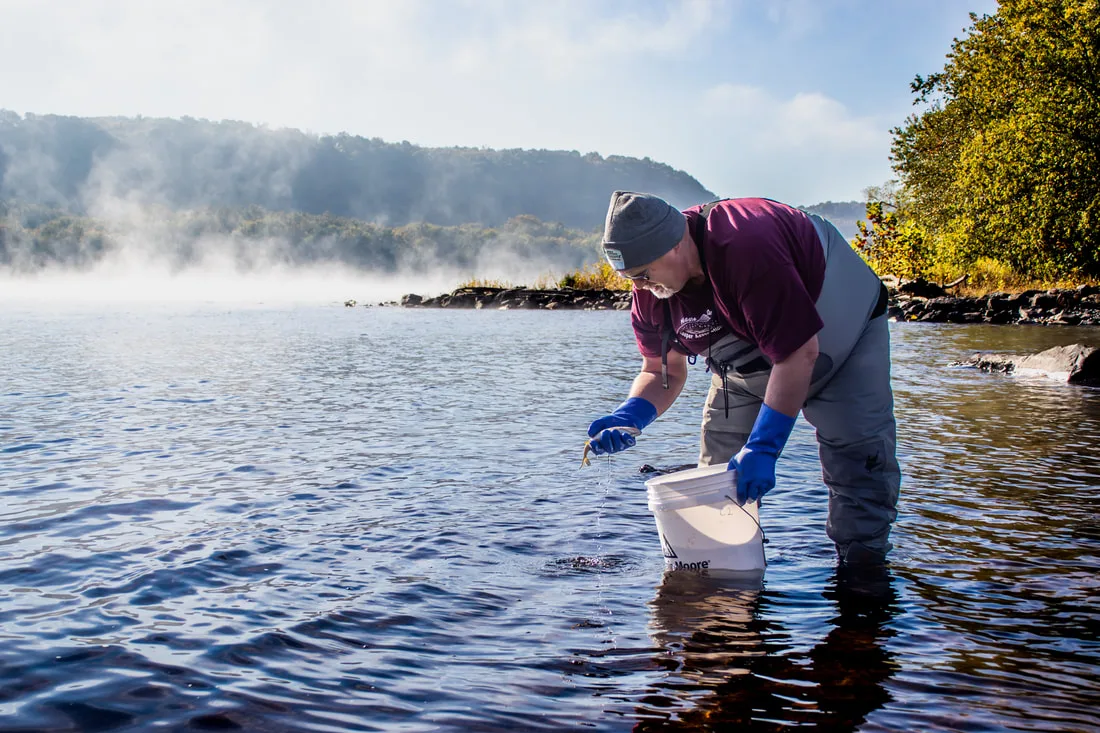
PHOTO PROVIDED A total of 580 fish representing 22 different species were recently rescued from pools remaining in the natural fish passageway around the Adam T. Bower Memorial Dam near Sunbury in this photo by the Middle Susquehanna Riverkeeper Association.
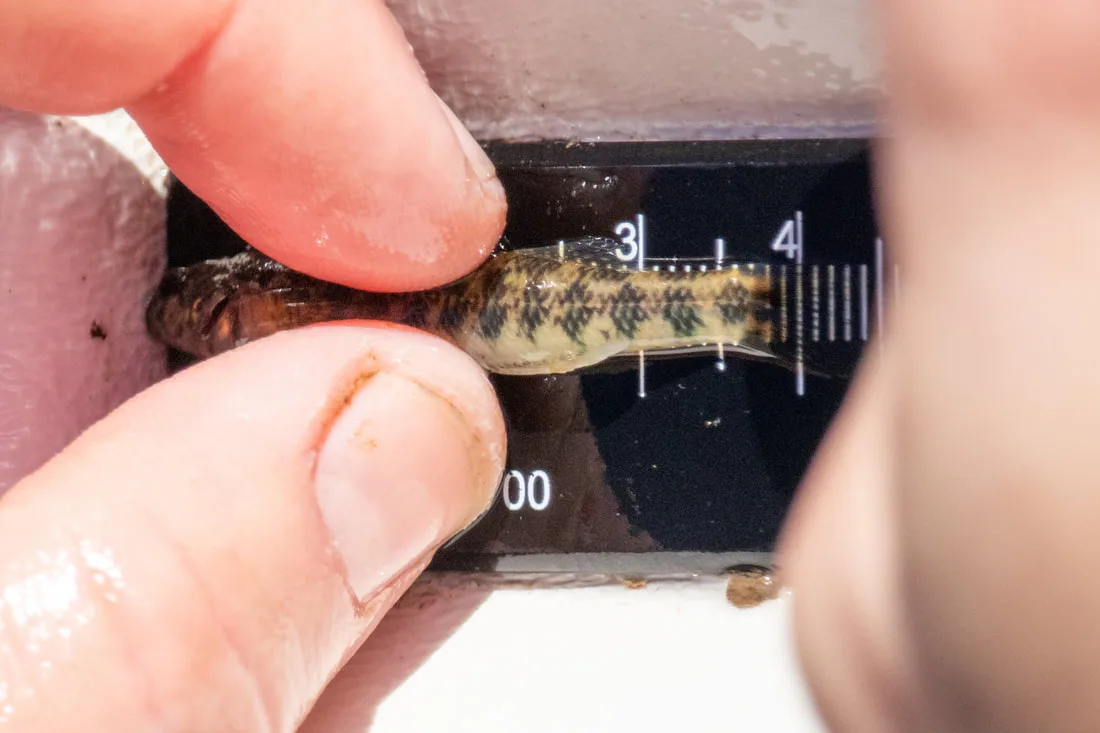
PHOTO PROVIDED A a small fish is measured recently after being rescued from pools remaining in the natural fish passageway around the Adam T. Bower Memorial Dam near Sunbury in this photo by the Middle Susquehanna Riverkeeper Association.
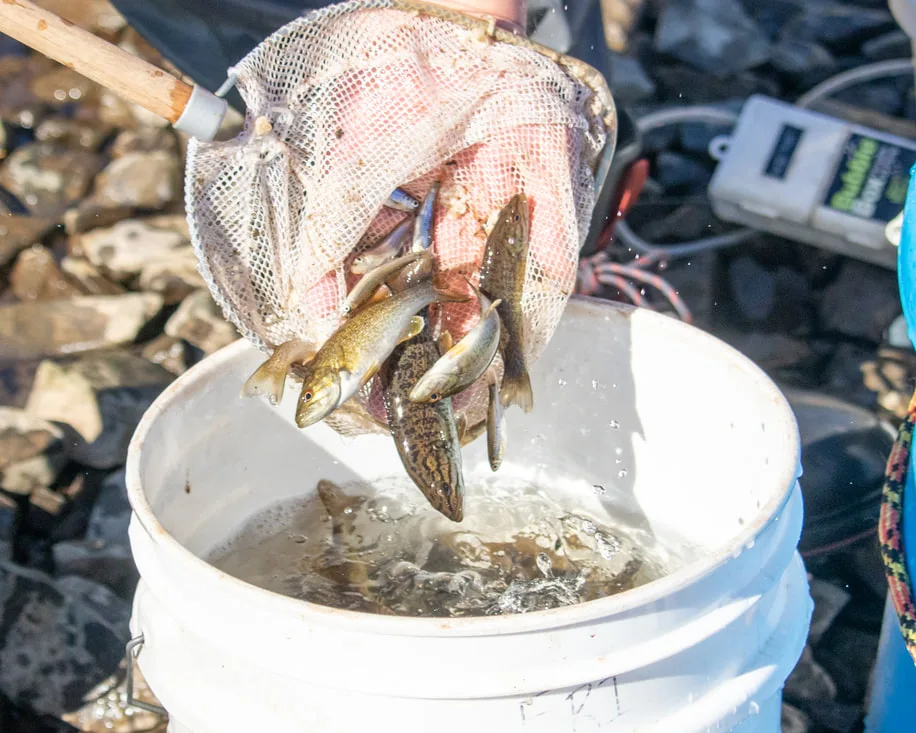
PHOTO PROVIDED A total of 580 fish representing 22 different species were recently rescued from pools remaining in the natural fish passageway around the Adam T. Bower Memorial Dam near Sunbury in this photo by the Middle Susquehanna Riverkeeper Association.
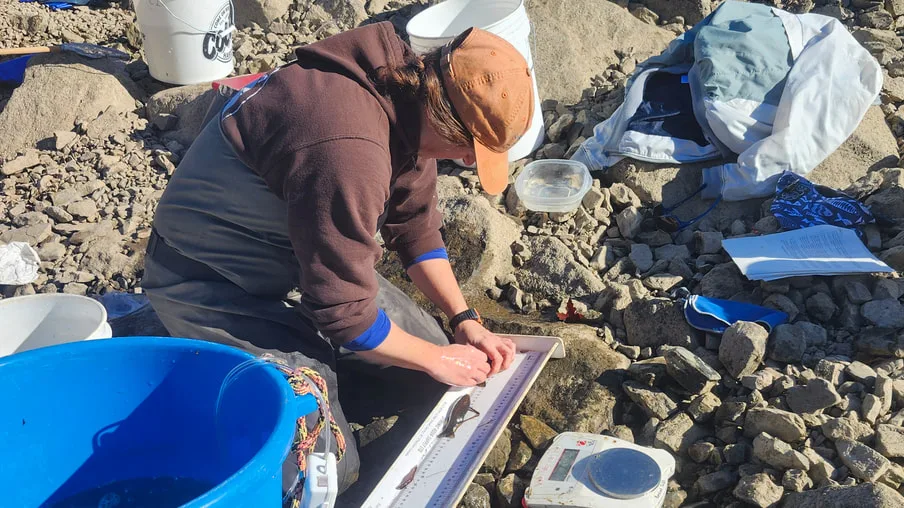
PHOTO PROVIDED A a small fish is measured recently after being rescued from pools remaining in the natural fish passageway around the Adam T. Bower Memorial Dam near Sunbury in this photo by the Middle Susquehanna Riverkeeper Association.
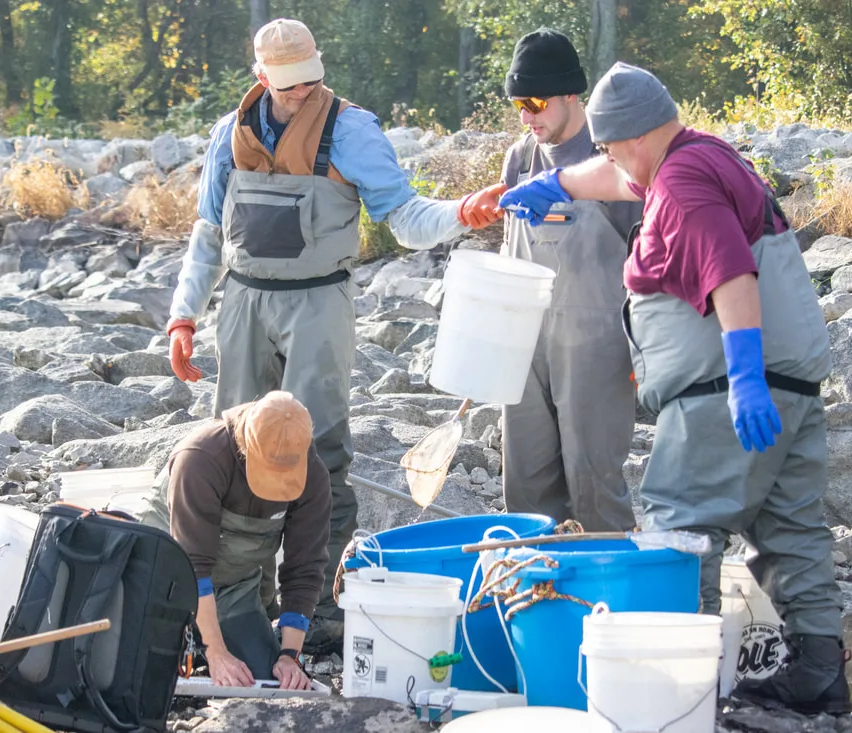
PHOTO PROVIDED A total of 580 fish representing 22 different species were recently rescued from pools remaining in the natural fish passageway around the Adam T. Bower Memorial Dam near Sunbury in this photo by the Middle Susquehanna Riverkeeper Association.
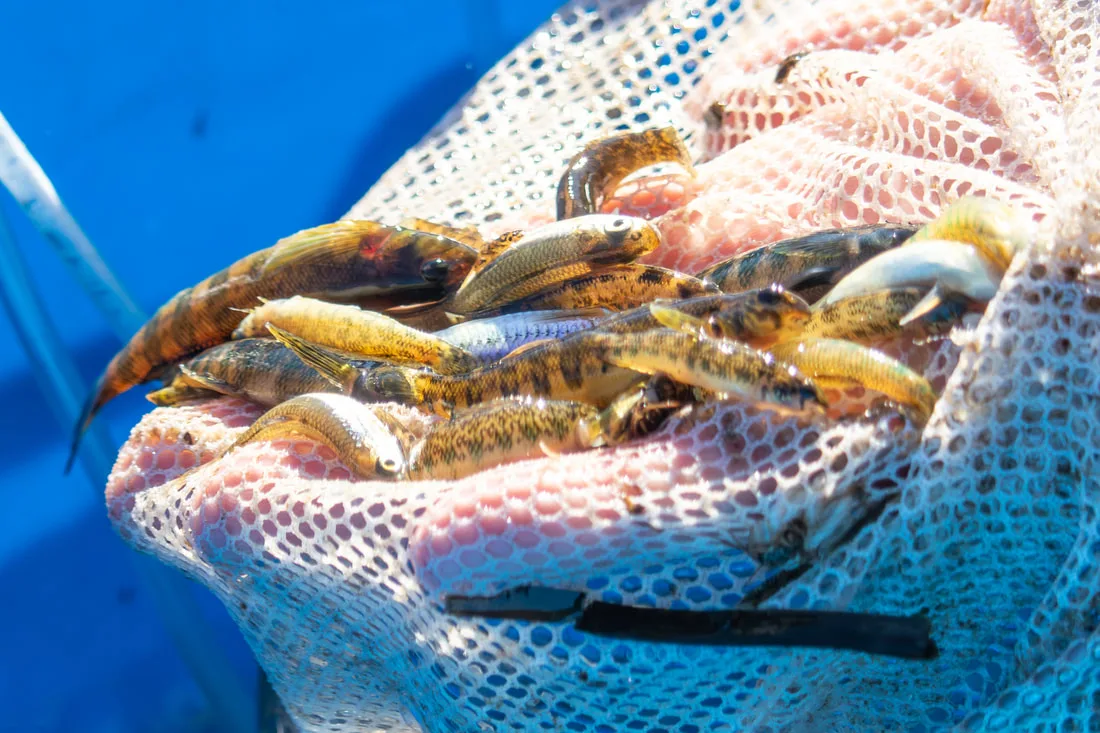
PHOTO PROVIDED A total of 580 fish representing 22 different species were recently rescued from pools remaining in the natural fish passageway around the Adam T. Bower Memorial Dam near Sunbury in this photo by the Middle Susquehanna Riverkeeper Association.
PHOTO PROVIDED A total of 580 fish representing 22 different species were recently rescued from pools remaining in the natural fish passageway around the Adam T. Bower Memorial Dam near Sunbury in this photo by the Middle Susquehanna Riverkeeper Association.
PHOTO PROVIDED A a small fish is measured recently after being rescued from pools remaining in the natural fish passageway around the Adam T. Bower Memorial Dam near Sunbury in this photo by the Middle Susquehanna Riverkeeper Association.
PHOTO PROVIDED A total of 580 fish representing 22 different species were recently rescued from pools remaining in the natural fish passageway around the Adam T. Bower Memorial Dam near Sunbury in this photo by the Middle Susquehanna Riverkeeper Association.
PHOTO PROVIDED A total of 580 fish representing 22 different species were recently rescued from pools remaining in the natural fish passageway around the Adam T. Bower Memorial Dam near Sunbury in this photo by the Middle Susquehanna Riverkeeper Association.
Trending
A total of 580 fish representing 22 different species were recently rescued from pools remaining in the natural fish passageway around the Adam T. Bower Memorial Dam near Sunbury, after the dam's bags were deflated the week before.
The effort, which occurred on Monday, Oct. 19, 2026, involved both the Middle Susquehanna Riverkeeper Association and Susquehanna University's Freshwater Research Institute, which provides electrofishing equipment and helps identify species and collect measurements.
"This partnership, in coordination with DCNR at the Shikellamy State Park, allows us to move fish that are stranded in the pools, watch for certain trends and impacts to improve the functioning of the system there and collect valuable data on species that wind up in the passageway," said Riverkeeper John Zaktansky.
The passageway flows with river water whenever the dam is inflated - usually from May to mid-October - as well as during any high-water events triggered by storms or other flooding. As water subsides in the rocky channel, some fish are left in a series of water-filled pools.
"The species rescued seem pretty similar across the years, lots of smallmouth bass (hundreds), a few dozen eels, lots of minnows and shiners and a modest number of sunfish and rock bass," said Dan Ressler, Associate Professor of Earth & Environmental Sciences at Susquehanna University. "About every other rescue we find a pretty large walleye, but those are never abundant. It is always interesting to see the biodiversity of the fish that use the fish ladder."
Of the 580 fish collected and transferred on Oct. 19, 295 of them (approximately 51 percent) were Smallmouth Bass ranging from 84 to 295 mm (3.3 to 11.6 inches) in length.
The next most abundant species was the greenside darter (109) followed by 34 common shiners, 22 rosyside daces, 21 rock bass ad 19 fantail darters.
"It is always interesting to find eels in the passageway, and each of the rescue projects have produced some," said Zaktansky. "This time, we found 14 of them ranging from 224 to 505 mm (8.8 to 19.9 inches). It is good to know they are using the passageway and expanding the region in which they can migrate."
Another species of note was the invasive Flathead Catfish. Seventeen were caught between the lengths of 207 and 364 mm (8.1 to 14.3 inches).
"Flathead catfish generally prefer the warmer water on the eastern side of the river due to the inflow from the North Branch Susquehanna River. Since the ladder is on the west side, the West Branch presumably keeps that side of the river cooler," said Ressler. "Maybe weather and river level patterns this year were different enough to allow more flatheads to explore the ladder this year."
The largest fish caught was a 538 mm (21.2-inch) Walleye weighing 1,261.8 grams (2.78 pounds).
There were numerous dead catfish found throughout the passageway, as well as some dead bass in the second pool. This repeats a trend from last fall after the dam was lowered where numerous dead fish were found in and around the pools and water quality was in question.
"Last year, even though we did the project just a couple days after the dam was lowered, there were numerous dead fish and low dissolved oxygen in the pools. Since we hadn't seen a similar die-off the fall before, we assumed it had to do with an unseasonably warm spell that occurred at that time," said Zaktansky. "However, this fall, we again tackled the pools just a few days after the dam was deflated, and the temperatures were much more seasonably cool, and yet there was still quite a bit of dead fish. They weren't just in the pools, but found around rock crevasses and other nooks and crannies in the passageway between pools."
Ressler wondered if this has something to do with how quickly water recedes in the passageway.
"Both in 2025 and 2026 the dam went from 'fully up' to 'fully deflated' over three days, in steps of about two-foot drops during each day," he said. "Both rescue days found hundreds of fish trapped in pools that rapidly lost oxygen, resulting in serious stress or death to the fish."
Ressler is curious if a more gradual reduction in the dam after the summer boating season would help curb this issue.
"I think timing the drawdown to mimic a natural reduction in water level would give fish longer to decrease in flow and naturally escape the ladder. The upper pool seems to become isolated in really short times and has typically stranded the most fish," he said. "Farther down the ladder where drainage times are longer, the pools stay better connected to the river and we have fewer fish to move."
The Middle Susquehanna Riverkeeper Association serves an 11,000-square-mile watershed of the Susquehanna River, including Sullivan, Lycoming, Clinton, Union and Northumberland counties. Read more at www.middlesusquehannariverkeeper.org.