
A closer look at turkey vultures through a simple ‘Q & A’
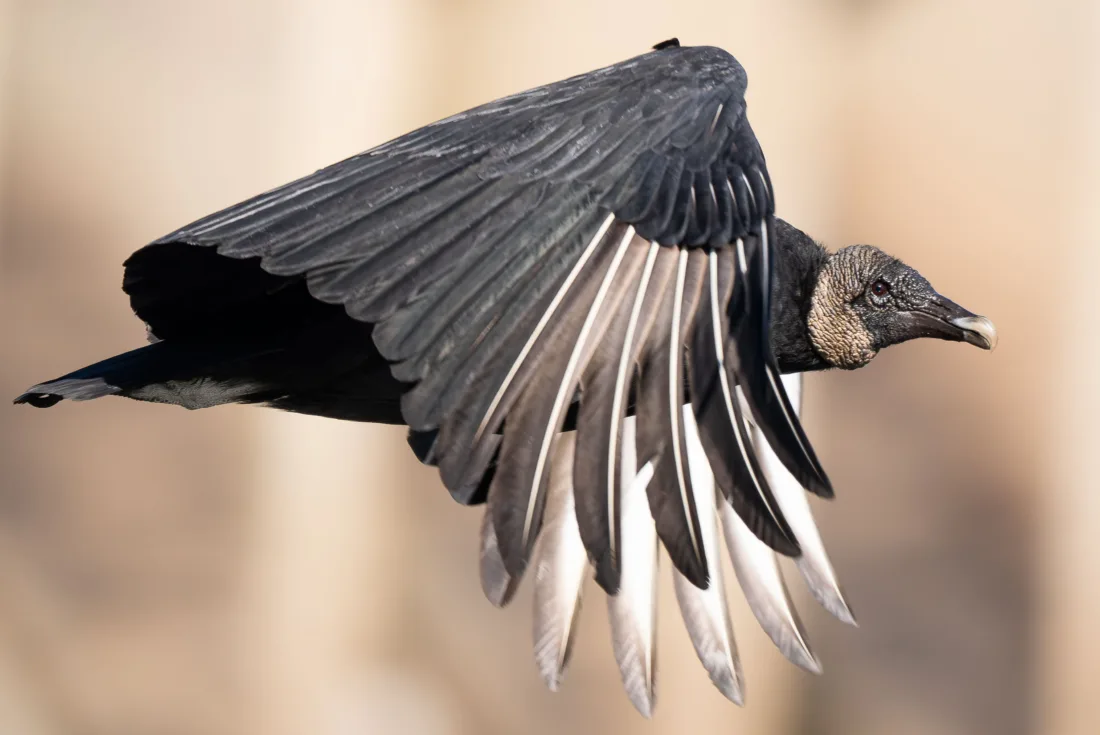
PHOTO PROVIDED A black vulture is seen soaring through the sky in this photo by Jacqueline Burke which won a 2025 Auidubon Photography Award.
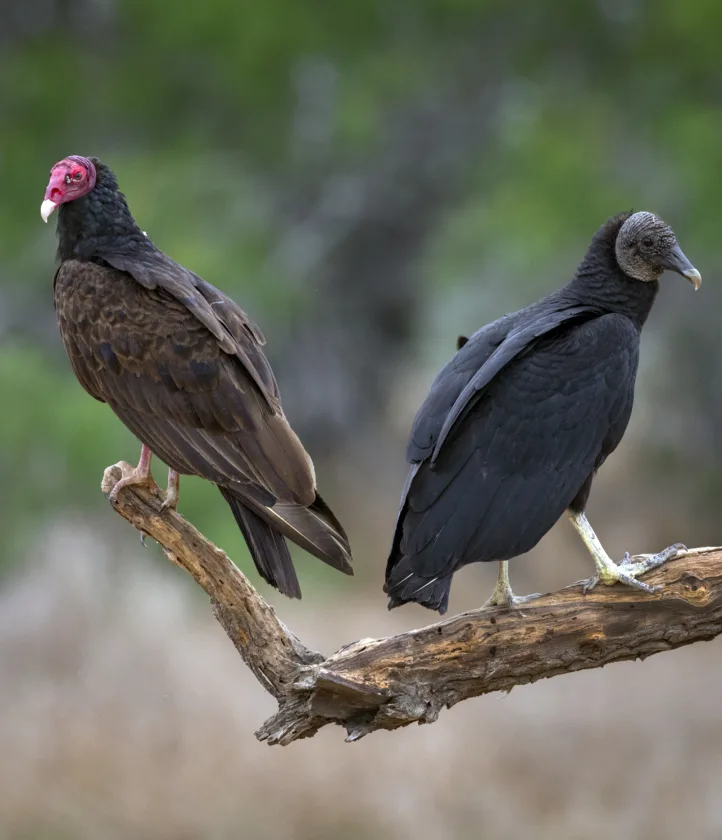
PHOTO PROVIDED A turkey vulture, left, and black vulture are shown together on a branch in this phoot by Gary Leka which won an Audubon Photography Award in 2022.
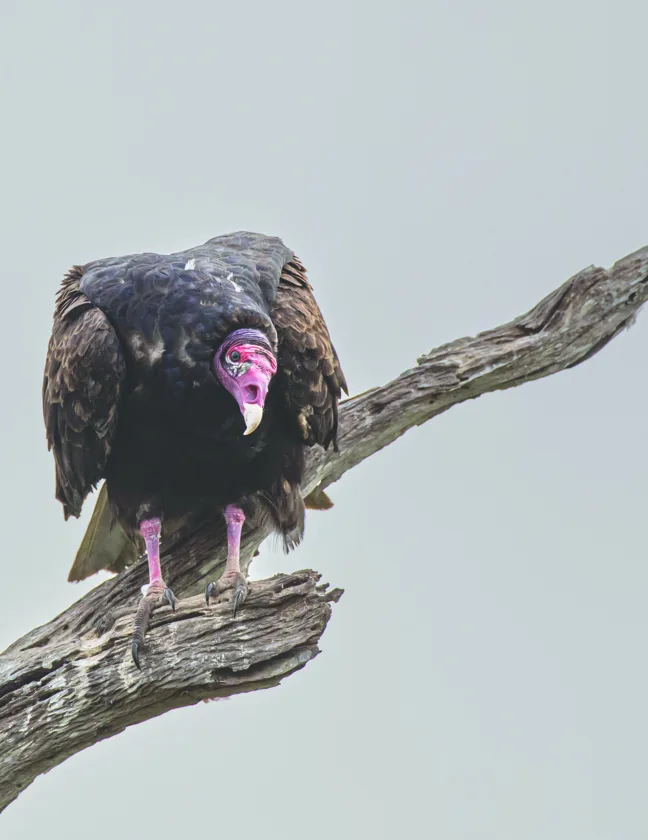
PHOTO PROVIDED A turkey vulture is shown perched on a branch in this photo by Jim Peters which won an Audubon Photography Award in 2024.
PHOTO PROVIDED A black vulture is seen soaring through the sky in this photo by Jacqueline Burke which won a 2025 Auidubon Photography Award.
PHOTO PROVIDED A turkey vulture, left, and black vulture are shown together on a branch in this phoot by Gary Leka which won an Audubon Photography Award in 2022.
PHOTO PROVIDED A turkey vulture is shown perched on a branch in this photo by Jim Peters which won an Audubon Photography Award in 2024.
Trending
In my neighborhood near a major Pennsylvania highway, the neighbors include two species of vultures: black vultures and turkey vultures. Familiarity breeds curiosity. One morning this fall, I approached a tall dead tree where a small flock of vultures were sunning themselves and cleared my throat:
Um, excuse me.
The nearest vulture tilted her featherless red head and peered down.
"Hyesss?" Lacking a voice box, or syrinx, vultures speak in grunts and hisses. I will translate.
"I'm sorry to disturb you, but I enjoy seeing you folks every day, and I'm wondering if you'd be willing to answer a few questions."
She rustled her massive wings and refolded them, turning toward me.
"I notice some of your flock's heads are red, like yours, and some are grayish black. Why is that?"
These dark-headed ones are their children. Their heads will be red when they mature. The others are the newer people: black vultures, as we call them. You'll sometimes see both types of vultures together.
"Why is that?"
When they started arriving years ago, the turkey vultures noticed that they like the same food they do -- dead animals, of course -- and worried there might not be enough for all. That has not been the case. Black vultures seem to be thriving, and so are the turkey vultures. They have better eyesight, but turkey vultures superior sense of smell leads them to food they can't see.
The vulture’s customs are different: for example, turkey vultures take turns eating, by rank, while black vultures eat in groups, all at once, like humans at a picnic. Yet, they tolerate each other.
"Some people think interstate highways helped black vultures extend their ranges northward. Is that true?"
Well, they haven't really said. They seem not to like the very coldest weather, so it could simply be that it's warm enough for them here now. Automobiles do kill a lot of food for vultures, but they find most of what we eat in woods and fields. You may have noticed that they excel at soaring. Vultures seldom need to flap our wings; they just tilt their bodies and go. It takes effort to lift away from a meal, though, and cars approach very fast.
"Do turkey vultures and black vultures live all over Pennsylvania?"
Some like to go a little bit south for winter, unlike their western cousins, who migrate all the way to that continent in the in the far south. Black vultures don't migrate far at all, and their range doesn't yet extend so far west or north of here. Do know how to tell the types of vultures apart?
"Don't black vultures look from below like they're wearing white gloves on their wing tips, while your wings look silvery in the sun all along the trailing edge?"
That's one way to put it, yes.
"Why don't I ever see your nests?"
You are looking in the wrong place. Vultures don't make nests in trees.
So where, then?
Some remote, secluded spot where you will not find them such as old burrows, cliffs, thickets or even empty buildings.
"That makes sense. Another thing: Why do you look like you're wearing white stockings?"
Acids which vultures excrete disinfect their legs, just as the acid in our stomachs kills organisms that would sicken you. These excretions also help keep their legs cool.
"Oh, right: I've seen those white excretions on my wooden deck! But they do wash off easily."
She shook her feathers out again and stretched to her full height, as if saying "I get the impression that humans don't like us very much. Some of you cut down the trees where we roost, or use fireworks to drive us away. Why?"
"Well, like you, humans are fastidious. To our eyes, you can be quite messy. You also remind us of death, something we prefer not to think about."
Vultures, however, do important work. What we eat would cause problems for you otherwise, attracting vermin and spreading disease.
"I know. You can safely eat carcasses infected with salmonella, botulism, cholera, anthrax -- even rabies."
Tradition teaches that all animals are better off because vultures keep the land clean and keep death in its place.
"Well put. Your people are welcome to use the dead tree in my woods any time. And we appreciate your flying in a path that avoids the cars and deck."
The vultures will consider it.
Sabrina Kirby lives near Lewisburg, birds with Seven Mountains Audubon and enjoys imagining what it’s like to be a bird.