
Navigating the white-tailed deer rut on public lands
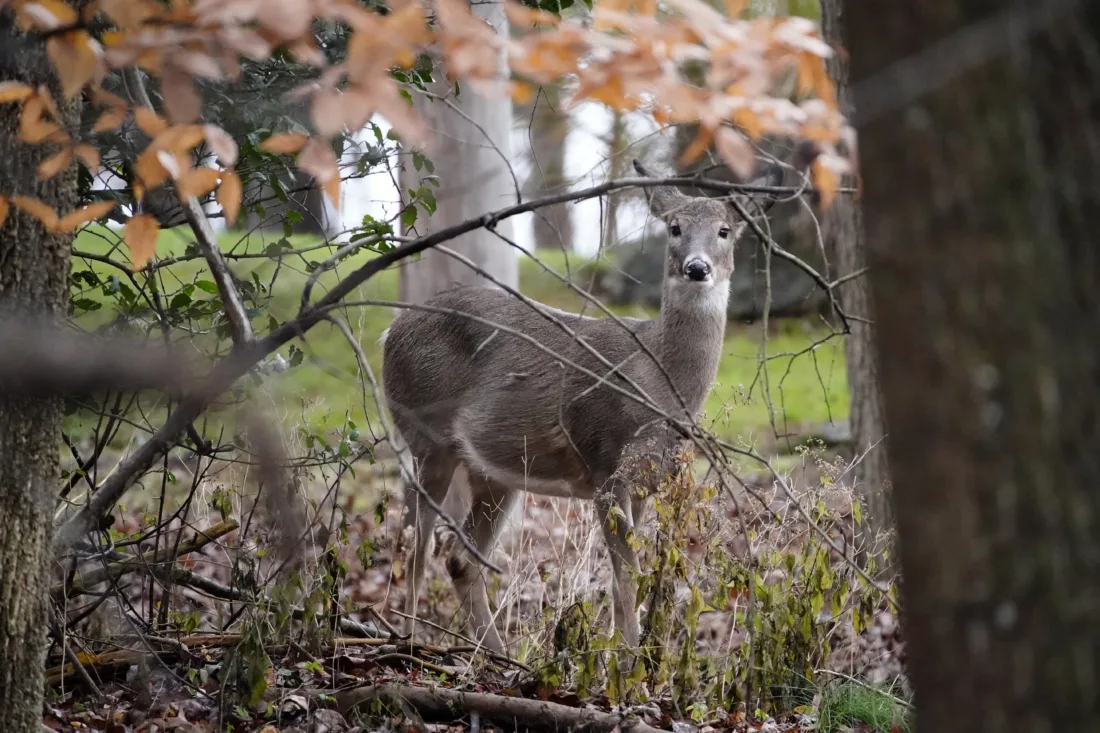
MATT SLOCUM/Associated Press A deer peers through the woods in Marple Township in Pennsylvania.
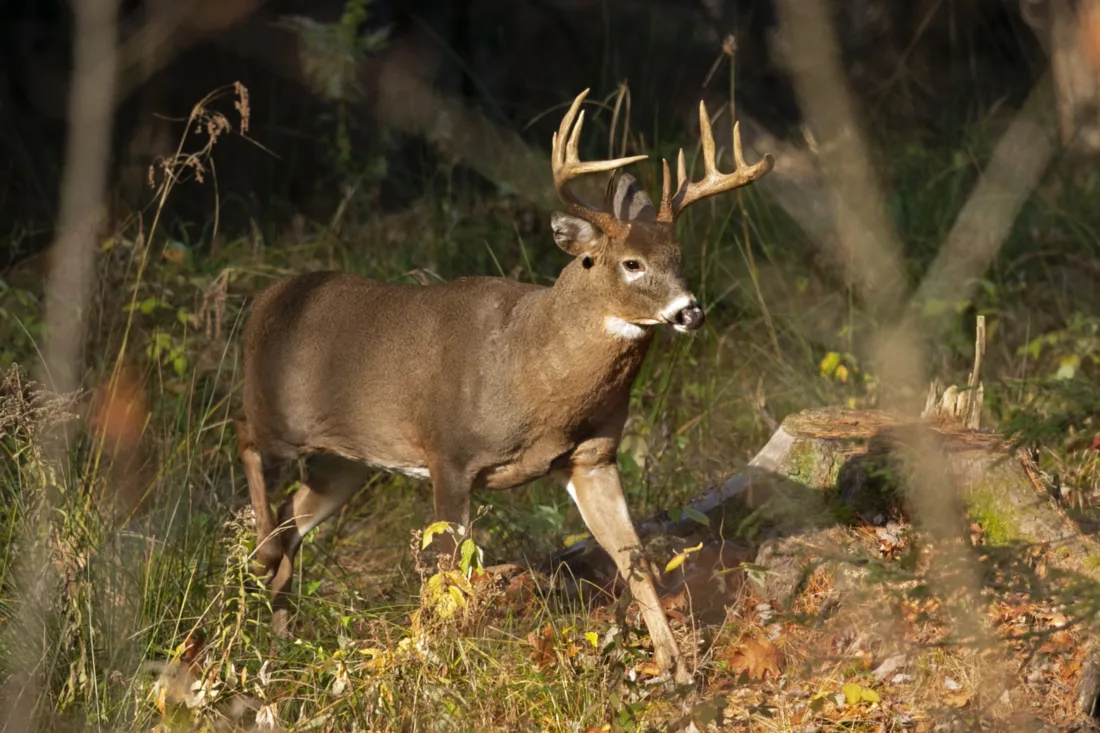
ROBERT F. BUKATY/Associated Press A 10-point white-tailed deer walks through the woods.
MATT SLOCUM/Associated Press A deer peers through the woods in Marple Township in Pennsylvania.
ROBERT F. BUKATY/Associated Press A 10-point white-tailed deer walks through the woods.
Trending
Pennsylvania hunters, and especially those in the northcentral region, are lucky to have an almost endless supply of public land open to hunting. With over a million acres of contiguous big-woods timber, every autumn the rut transforms these areas into a hunting mecca, but success requires more than tricking deer; it also requires a strategy that adapts to hunting pressure.
In the expansive, mountainous terrain of the Allegheny plateau, unpredictable thermal currents and swirling mountain breezes can carry human odor across an entire drainage and beyond. White-tail bucks possess an acute sense of smell and rely on scent to detect potential danger, track receptive does, and locate food sources. Rigid scent management is vital to any successful hunt.
This is why hunters invest thousands of dollars in scent-eliminating sprays, unscented detergents, airtight storage containers and even specialized clothing.
But what do you do when the frightening scents come not from you or your gear, but from other hunters? By the time the rut arrives, human pressure becomes a problem, even on large tracts such as Elk State Forest and SGL No. 25. A full archery season, scouting and even non-hunting activities have driven deer off the ridges and out of the open hardwood timber. Hunters need to adapt by shifting to downwind areas with dense security cover, into steep, rugged hollows others avoid, and other off-the-beaten-path areas pressured deer see as sanctuaries.
Once on stand, prepare for the long stay. While others head back to camp at midday, their movement could push big deer in your direction. If you are lucky enough to be in the woods during peak rut, the midday sit becomes even more important. When bucks enter the lockdown phase, they will pair off with receptive does in dense mountain laurel, thick hemlock bottoms and regenerating clear-cuts for 24-48 hours.
The all-day sit puts you in place to intercept mature bucks that frequently move in search of their next doe.
A myth among many hunters is when the rut will occur. Despite long-held beliefs to the contrary, the primary driver of the rut is photoperiod: the length of daylight. Although changing weather patterns, lunar phases and available food sources affect how much, or how little, deer move, none of them determine the rut.
Why is this important? Because it allows you to predict the rut far in advance. There is no reason to wait until the first frost or the late October full moon to plan your hunt. By viewing a calendar and sunrise/set times, you can plan your rut hunt months in advance and be within a few days of the peak period.
Planning your hunt ahead of time, rather than waiting for myths to come true, means you can scout, identify likely hunting locations, and map ingress/egress trails without disrupting the herd. Find the zero-impact routes such as creek beds, drainage ditches, or logging cuts and use them from day one.
While this cannot prevent others from polluting the area, it does allow you to control your own activity.
Hunting whitetails across the Northcentral Region presents both formidable challenges and rewarding opportunities for dedicated hunters. Put in the time, use the right tactics and manage scent properly to fill your tags even on public land.