
Yes, non-native plants are a problem in Pennsylania
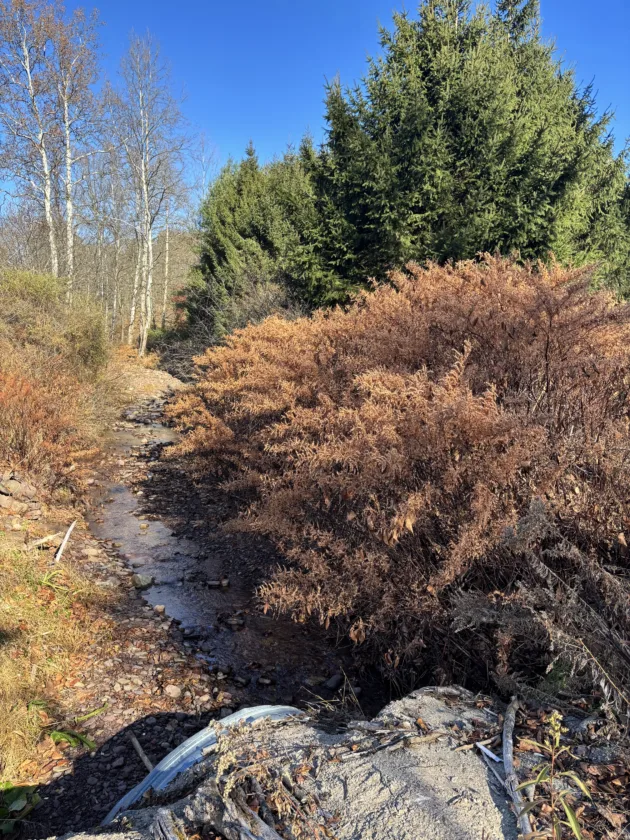
PHOTO PROVIDED Shown is Japanese knotweed taking over parts of a stream bed in this photo by Bonalyn Mosteller.
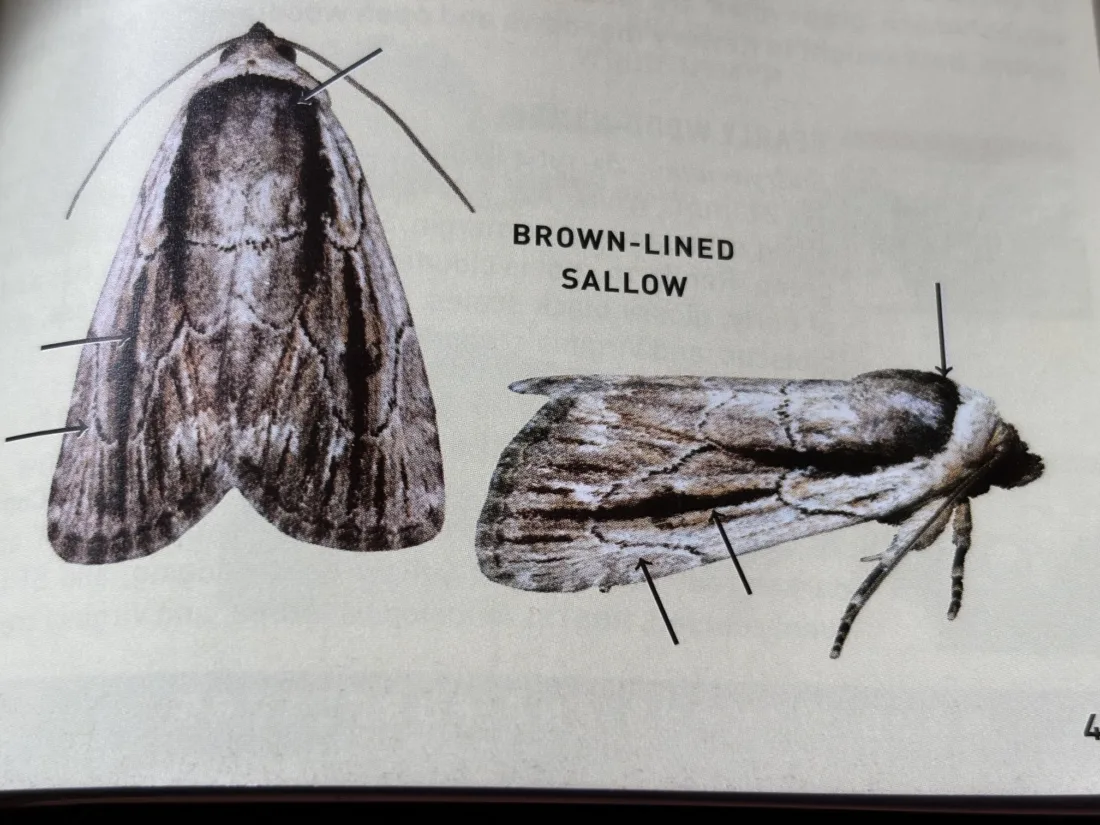
PHOTO PROVIDED This brown lined sallow moth eats only native honeysuckle, its sole host plant, in this photo by Bonayln Mosteller.
PHOTO PROVIDED Shown is Japanese knotweed taking over parts of a stream bed in this photo by Bonalyn Mosteller.
PHOTO PROVIDED This brown lined sallow moth eats only native honeysuckle, its sole host plant, in this photo by Bonayln Mosteller.
Trending
Blah, blah, blah. Those crazy environmentalists and tree huggers are at it again, complaining about non-native plants and trying to convince us that they are a problem.
Really? Yes, really. They are a big problem.
But it appears even to me -- a supporter of native plants -- that environmentalists who seem to be obsessing about non-native plants also may not provide more detailed, convincing information to explain why non-native plants are, truly, a problem.
While insects and other pollinators -- such as moths, butterflies, beetles, hummingbirds -- may indeed feed on nectar from the flowers of non-native plants, these plants can't provide the types of food required for their larvae.
In other words, larvae need select host plants to eat so that they can develop and then become food for baby birds, for example. Non-native plants can't supply the precise food required for specific larvae such as caterpillars.
Most people are aware of the common example of the monarch butterfly larvae which have only one type of host plant: milkweeds. The larvae can only eat milkweed leaves.
Less milkweed means less food for caterpillar larvae, leading to fewer future monarchs. Mature monarchs can, however, collect nectar from non-native flowers, such as the zinnias in my garden where I often see them.
Very common non-native plants in our region include autumn olive, Japanese knotweed, Japanese honeysuckle and garlic mustard. Japanese knotweed, which is dark brown at this time of year, can take over the side of a small stream. Miles of the Loyalsock Creek, for example, right now are flanked on both banks with nonstop knotweed. Because knotweed is so invasive, native plants are choked out and so can't serve pollinators or be host plants for larvae.
An example of such an affected native plant that also lives along streams is named steeplebush, meadowsweet or eastern hardhack. This shrub produces beautiful pink flowers in spring and is a host plant and nectar source for many native bees, butterflies and moths.
Steeplebush is an example of a native plant that has been choked out in many areas by invasive knotweed.
Many moths are very picky eaters, often having only one native host plant. A couple of examples of moths which eat only one native plant are these: the brown lined sallow only eats honeysuckle, and the water lily moth eats only native yellow water lilies.
More than 11,000 species of moths have been identified in North America, many requiring very specific host plants. Obviously, a huge diversity of native plants is required to support just this one pollinator group. The spread of non-native plants continues to decrease the numbers and diversity of native plants needed for species to thrive.
If you want a gratifying task, become a garlic mustard cop. This non-native plant is quite easy to pull up by its roots, which is most gratifying. If you aren't sure that a plant is garlic mustard, pinch off a bit and smell it -- you definitely will smell garlic.
Understanding precisely why non-native plants are a big problem may not be as simple as it appears, but Mother Nature will appreciate your efforts and any effort you can make to decrease non-native plants.