
Trending
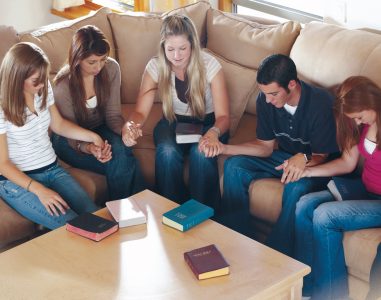
For many people, Saturday or Sunday morning means getting out of bed and heading for a house of worship, but during the pandemic, that house of worship may have been your home.
"People have become comfortable worshipping in different ways now," said the Rev. Gwen Bernstine, executive director of the United Churches of Lycoming County, speaking about the way people have adapted.
"They've become comfortable worshipping from their living room sofa or easy chair. With a cup of coffee in front of their tablet or computer, or even on their cell phone in their jammies with their feet up," she added with a laugh.
When the governor issued a shutdown order in March, churches were faced with the unique situation of how to maintain that sense of community when congregants could not meet together.
Some churches began offering worship through ZOOM or livestreamed on Facebook. Others had drive-in type gatherings while one area church, when the governor lifted some of his orders, moved their service to a picnic pavilion on the property.
"Church has always been very much a community," Bernstine shared. "The people in your congregation are your second family -- sometimes your first family and sometimes your only family."
She admitted that coming together as a church body is something that's been missing for many people.
For the Rev. Lenore Hosier, pastor at St. John's-Newberry United Methodist Church, the shutdown didn't bring an end to worshipping together, it highlighted that church is more than a building with four walls.
"My opinion is that the church never really closed," Hosier said.
"While we did have a period of time when we were not worshipping face-to-face, we did still continue to worship," she said.
Harnessing the latest technology enabled churches to continue to offer worship to parishioners in different ways.
"We were still able to offer worship for most of our congregation members, but we certainly have realized that the church isn't about what goes on in the building. It's very much about what goes on out in the community and beyond," Hosier stated.
Bernstine agreed with Hosier about the lessons learned from living through a crisis like the pandemic.
"It's allowed us to work in different ways as far as allowing us to come to worship. It's allowed people to really realize they need to be the church in their communities and show people Christ's love all the time when they're out and about in their communities," Bernstine said. "Not for just an hour on Sunday morning when they're in church."
A part of the ministry at Hosier's church is operating the West End Christian Community Center, which she shared has had to do some unique thing through the pandemic. But she also sees people being more intentional in helping others, apart from the center.
"People are being more intentional about calling on neighbors, asking do you need me to pick something up," she said.
"Ways that people have taken a step up, not just for the members of their own church, to care for one another, but for their literal neighbors," she added.
She gave examples of this type of intentional ministry, such a helping an elderly person in your neighborhood who may have health issues and doesn't want to go out. Or mowing grass for another neighbor.
"Basic care things that so many times we get so busy other times doing. This has kinda slowed us down a little bit," Hosier added.
Both ministers also agree that it's important to connect on a personal level.
"When people are ill, that comforting hand on your shoulder, that holding of the hand are things we really miss, we took for granted," Bernstine said. "A virtual hug is just not the same thing."
Hosier's church has begun worshipping in person. With three services and a large sanctuary they are able to safely socially distance and masks are required. But, she admitted that even after things have returned to normal, that might look quite different than before the pandemic.
"I'm just guessing, not just our congregation, but others will really look at how people are engaging in worship, that it's not going to go back to our old model for everybody," she said.
She noted that some people will be glad to come back and do things the way they've always been done in the sanctuary, but she cautioned that it's important to remember that right now about half of their worshippers are worshipping online.
Hosier shared that she has spoken with pastors who shared that their church are upgrading their technology, just as her church has done in preparation for the future.
"In the midst of all this we realize we have to change the way we do things and we have to provide something in a different way," Hosier said.