
Trending
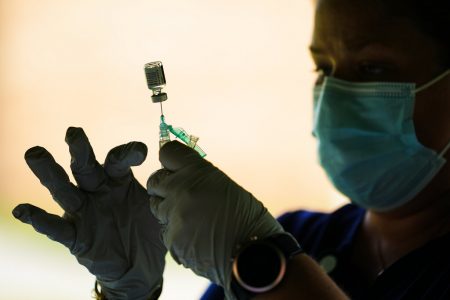
FILE PHOTO
The number of new cases of COVID may be going down across the country the past few weeks, but the chief medical officer at UPMC in North Central Pennsylvania said that is not true for cases in this state and in local communities served by the health system.
"You look at the national news and read the newspapers, you may see that COVID has been trailing off the last several weeks across the country, but we're not seeing that in Pennsylvania," according to Dr. David Lopatofsky.
"Similar to the rest of the Commonwealth, we're seeing continued volumes of COVID. We're not nearly the volumes we had last winter, but there are other factors that are making our total hospital volumes very challenging," he added.
Lopatofsky shared that the hospitals are experiencing about 30 to 40 percent fewer cases compared to last winter's peak, but are still having to deal with "strong volumes of COVID." He made the statements during the annual meeting of UPMC Williamsport recently.
"This has stressed our ED's (emergency departments), our critical care areas in particular and our entire hospitals," Lopatofsky said.
There are two types of patients coming to the local hospitals, the first is what Lopatofsky termed the "direct COVID patients" who are directly infected with the disease.
Infected patients are 90 percent unimmunized and the 10 percent who are vaccinated but have become infected have underlying medical conditions or advanced age with underlying medical conditions as risk factors, he noted.
Patients with COVID also are usually sick for a very long time which means they are in the hospital longer causing an increase in bed days for hospitals.
The second type of patient affected by COVID is what Lopatofsky called "indirect COVID."
"There are patients with the typical medical-surgical conditions that we care for, whether it's heart disease, pulmonary disease, surgical disease, cancer, that are coming to us in greater volumes than we've ever seen before and more advanced stages of the diseases than we've ever seen before," he said.
"If you talk to our doctors in the emergency rooms they'll say they've never seen so much new onset disease that wasn't already known to the outpatient doctors or the primary care doctors that is being diagnosed in our emergency rooms because these patients are coming very late to care and they're coming in the extremest because they've not had that care. They've not had the screenings. They've been putting things off during the year and a half, almost two years of COVID that we've had," he stated.
Added to the delay in seeking care, people have not taken care of themselves during the pandemic with many gaining weight, not exercising, drinking too much and dealing with mental health issues.
Another population affected indirectly by COVID is the patient waiting for a nursing home placement.
Normally we would have a few patients that are discharged and have to wait a day or two for a nursing home bed. We now have patients waiting days sometimes weeks until there is a freed up nursing home bed for them to go to," he said.
Nursing homes have been dealing with their own COVID volumes and staffing shortages, which affects their ability to accept new patients.
"All of these issues lead to much more patients in our hospitals across our entire network in North Central UPMC," Lopatofsky said.
"If you link that along with our staff shortages, which are a national issue going on throughout all hospitals, we're affected just like all the rest. That's the supply and demand inbalance, that's sort of the perfect storm that we continue to manage," he added.