
Council told certification of commercial, industrial blight slower going than for residential properties in Williamsport
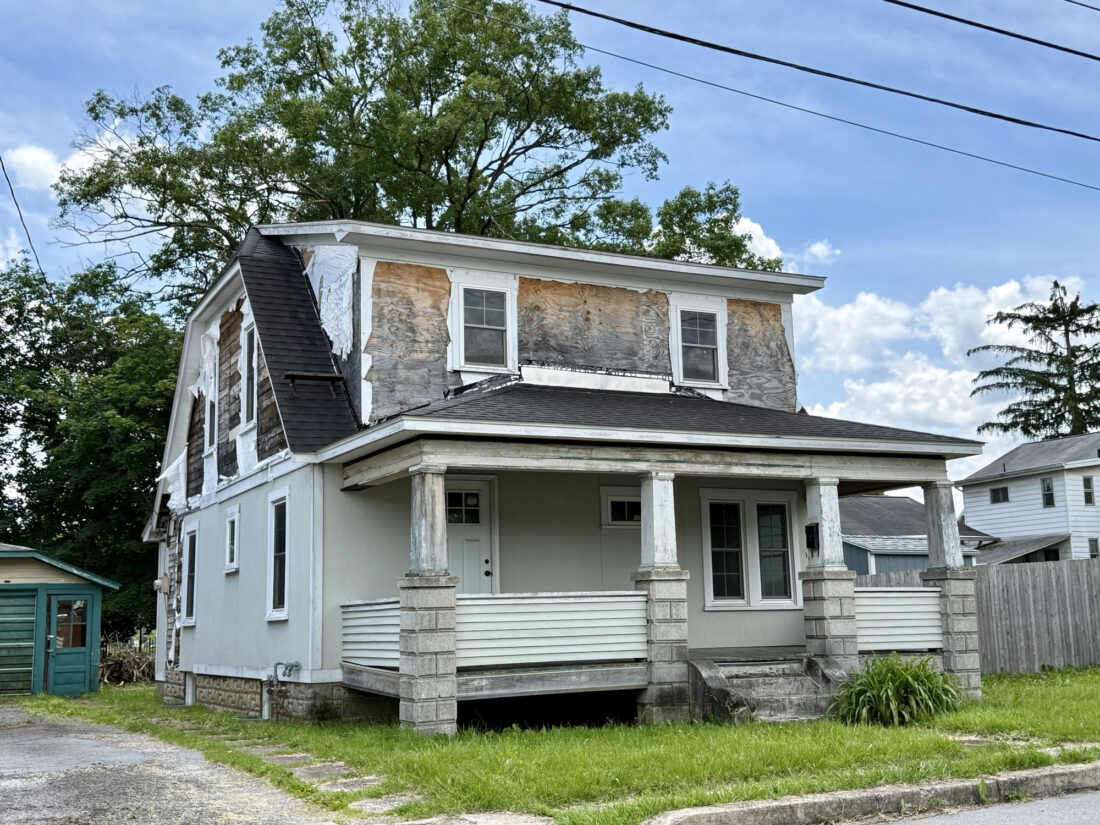
KAREN VIBERT-KENNEDY/Sun-Gazette 426 Sheridan Street in Williamsport.
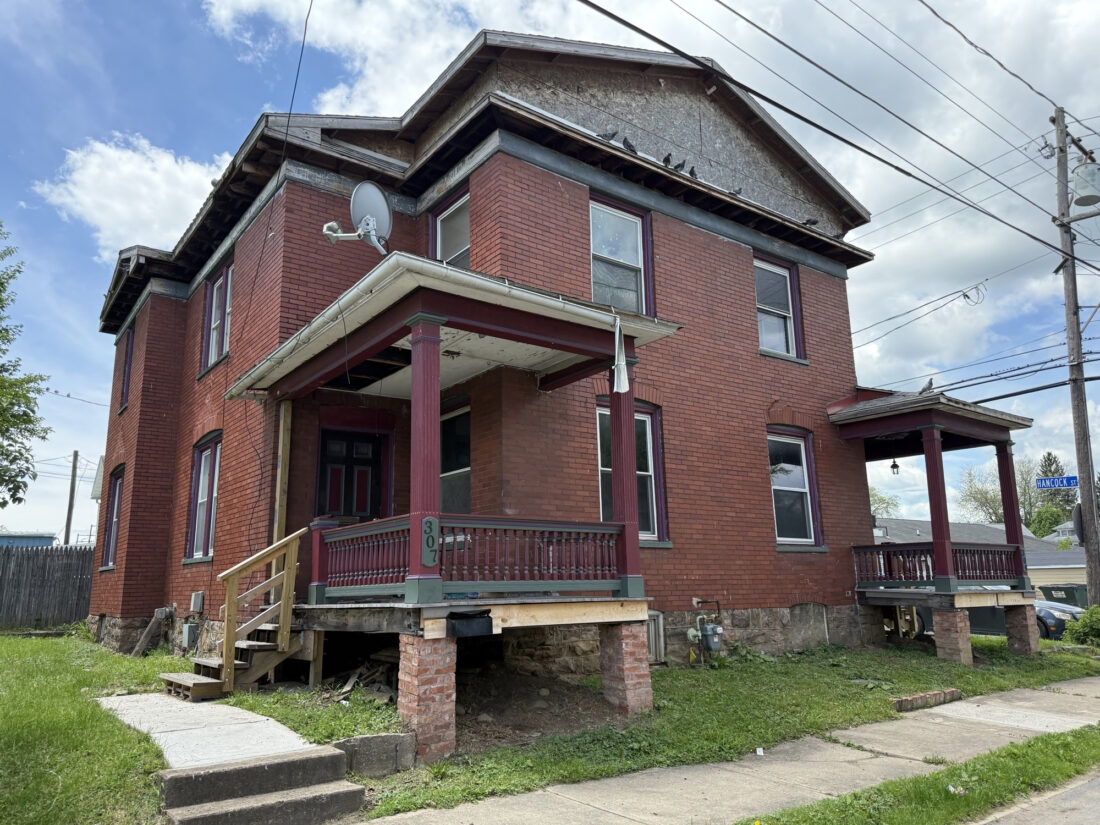
KAREN VIBERT-KENNEDY/Sun-Gazette 307 Almond Street in Williamsport.
KAREN VIBERT-KENNEDY/Sun-Gazette 426 Sheridan Street in Williamsport.
KAREN VIBERT-KENNEDY/Sun-Gazette 307 Almond Street in Williamsport.
Trending
The City of Williamsport is steadily in the process of identifying and removing residential blight, but it is slower going -- or, as City Council was updated -- not happening for blighted commercial and industrial properties.
As of recently, three residential properties were certified as blighted -- 1158 Isabella St., 307 Almond St., and 426 Sheridan St., according to the Williamsport Redevelopment Authority public report on the city website.
"We have money but need to streamline certification of blight," said Jennifer Matz, president of the Redevelopment Authority (RDA) in a recent update on blight removal progress to the council and the administration.
The authority has about $2.3 million available in grant funds to refurbish blighted properties, she noted. "Until recently, the RDA/Land Bank did not have the resources to attack the blighted properties issue, and now we do," she said.
August "Skip" Memmi, authority executive director, to a question from a member of council acknowledged there has not been any certified blighted commercial/industrial properties presented to the authority for its consideration.
The city is empowered to discuss with owners of blighted residential, commercial and industrial properties remedies or issue citations. The Blighted Property Review Committee was created to enable the Redevelopment Authority of the city to acquire by purchase, gift, bequest, eminent domain or otherwise, any blighted property. The Redevelopment Authority is empowered to hold, clear, manage and/or dispose of such blighted property for residential and related reuse and commercial or industrial reuse.
In order to proceed with refurbishment of properties, however, it is essential that the city properly identify and declare properties blighted, which requires a strong codes department, Matz said.
"It requires a codes department that acts aggressively within the bounds of the law to cite and declare properties as blighted," she said.
Once a property is declared blighted by the activities of the codes department then and only then does the authority have leverage to act," Matz said. That is done either through negotiations with the property owner or through a process of eminent domain, so that the authority may take control of the property and rehab it.
All cities, not just Williamsport, have blight within them, and the concerns go far beyond the looks. Blighted properties often can create unsafe conditions for codes enforcement officers, firefighters, police, and residents, especially children.
Blighted properties can also attract crime, pest infestations, illegal drug use and, overall, put an undue burden on the other neighbors because of safety concerns and a possible decline in their own property value.
The authority estimates that each blighted property requires about $200,000 to bring it back onto the tax rolls. Once the authority rehabs it properly, it can then be sold and the funds can be reinvested into the program, which makes a renewal cycle for the funding.
The authority believes it may be able to rehabilitate upwards of 50 properties and increase the fair market value of those properties by as much as $10 million.
That can translate into a tax revenue increase estimated to be $408,000, which is then divided between three taxing bodies -- city, Lycoming County and school district. A mill of property tax in the city generates an estimated $861,055, according to the city budget.
"To accomplish that goal we need consistent, timely, professional, certified, and quality code operations," Matz said. The RDA was created to foster economic development and bring new business and employment to the city. One of the crucial elements of achieving that goal is sustainable housing.
"One blighted property can reduce the value of neighboring properties by as much as 15 to 20 %, Matz said. When that happens adjoining property owners are less interested in putting investment into their properties. Blight increases, property values decrease and that elevates the stress on the tax base.
"By reducing blight, we increase the property values and thereby lower the stress on the tax base," she said.