‘A steady increase’: North Central Pennsylvania seeing more cases of influenza
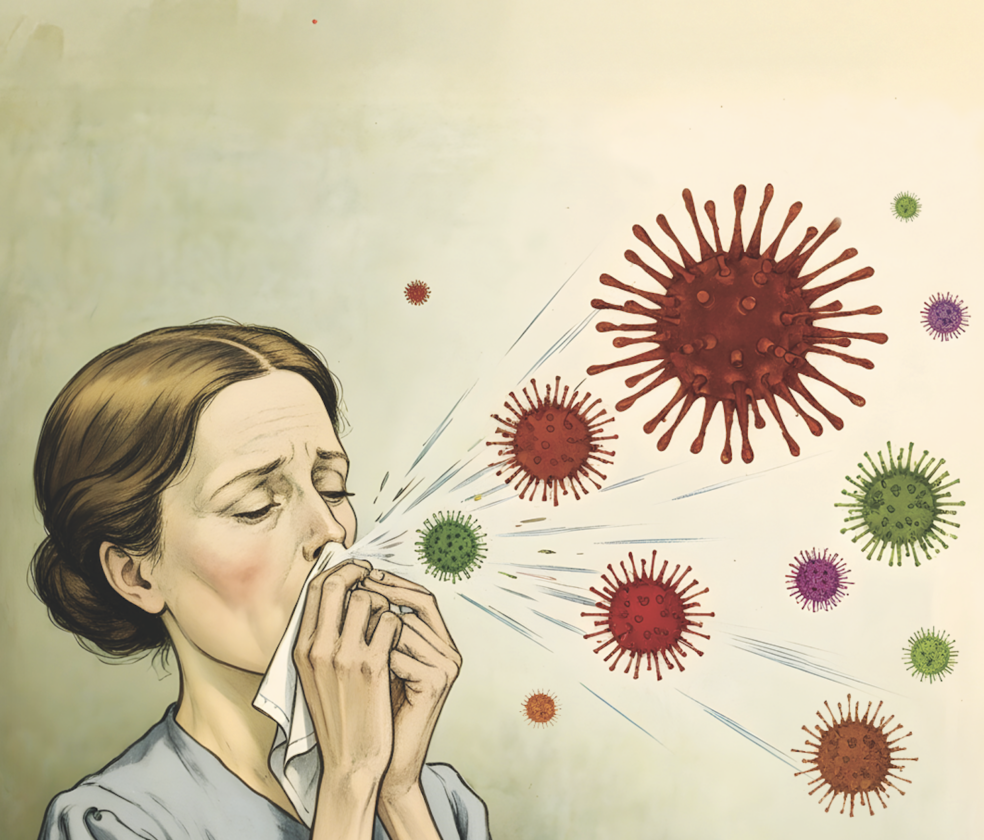
A surge of influenza is being reported in North Central Pennsylvania.
“We are seeing quite a bit of influenza,” said Dr. Roman Tuma, Infectious Disease Specialist, UPMC North Central Pa.
“We have seen a steady increase of flu cases over the last eight weeks or so,” said Dr. Stanley Martin, Director of Infectious Diseases, Geisinger Medical Center, Danville.
Dr. Tuma observed in-house numbers indicating about close to half the cases that come in with viral infection are influenza and a distant second is COVID-19.
Currently, he said, at the time of the interview earlier this week, 14 patients had been hospitalized at UPMC North Central Pa. for the flu.
A contagious respiratory illness caused by influenza viruses that infects the nose, throat, ears and eyes and sometimes the lungs, flu can cause mild to severe illness and, at times, lead to worsening complications such as pneumonia and in extreme cases, mortality occurs.
Asked whether this so-called super flu differed from others Dr. Tuma cited a new sub-class of variants that made a few antigenic drifts as did Martin in a written response from him through Geisinger.
“Their appearance is enough to evade the immune response and make it more difficult to fight it,” Dr. Tuma said. Vaccination is a frontline in this battle.
“The mutation of the virus this year has rendered the vaccine a little less effective than the average year, but it is still very helpful,” Dr. Martin remarked.
“Even the partial immunity provided by the vaccine goes a long way toward preventing severe infections from the flu,” he stated.
“The best defense for flu is to get vaccinated,” stressed Dr. Martin.
“Although cases are on the rise, we still have not peaked and may not for weeks to come,” Dr. he said.
The vaccine has proven to be safe and effective over decades of use and is the most effective way to avoid hospitalization from the flu, he added.
It is never too late to get vaccinated, particularly if at risk of complications.
“At times it happens,” he said, of the emergence of different flu strains.
“We try to predict the variants, main ones, by looking in the southern hemisphere in summer,” Dr. Tuma said.
A main concern is that influenza can develop further into pneumonia, he said.
Both warned those with co-morbidities, such as pre-existing heart or lung conditions or advancement in age, are at greater risk.
Also, any individuals who are immuno-compromised such as people undergoing cancer treatments can be at a higher risk.
Overall, those at highest risk are children, pregnant women, anyone 65 years of age or older, anyone with underlying heart or lung disease and anyone with an impaired immune system.
Both physicians added how practicing good hygiene, such as covering coughs and sneezes and frequent handwashing, are good tips for preventing the spread of influenza.
If you do get the flu, it is best to stay home and avoid others, the doctors said.
“Although symptoms may be mild for you, there is still a risk of spreading the illness to others with weaker immune systems,” Dr. Martin said.
Today, there are several over-the-counter medications to help deal with the symptoms of the flu but getting plenty of rest and fluids is the best option to help shorten the severity of the illness, he said.
In some instances, your doctor may prescribe an antiviral drug, like Tamiflu, to help shorten the illness and reduce severity, Dr. Martin said.
Dr. Tuma said there the flu hits hard with symptoms that can range from fever, stuffy nose, cough with discharge, weakness, generalized muscle pain, gastrointestinal distress, nausea, vomiting, and diarrhea.
As for post-flu days, most people can return to work once they have been fever-free for at least 24 hours without using a fever-reducing medicine.
Usually, that will require staying home for three to five days.
Top News
‘A steady increase’: North Central Pennsylvania seeing more cases of influenza
Dream Week returns. This year’s concept? Mission Impossible
Building community, uniting a nation the non-violent way. This is the ambition of Mission Impossible 2026 Dream ...
State launches new approach to handle elder abuse cases
(The Center Square) — As the number of senior adults increases in Pennsylvania, so too rises the number of elder ...

US seizes 2 sanctioned oil tankers linked to Venezuela in the North Atlantic and the Caribbean

Beiter elected Williamsport City Council president