Gov. Josh Shapiro’s proposal holds pros, cons for students
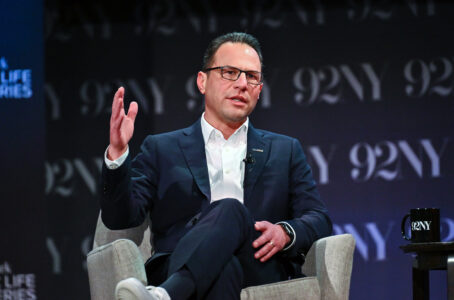
Students who watched Gov. Josh Shapiro’s 2026 budget address probably had mixed feelings about some of the proposals. On the one hand, the governor is advocating for students having time away from the classroom during the school day — recess — which he said is as “critical as learning math and science and English.”
“Let’s give students the opportunity to take a break during the day and get some exercise, if they are able, to clear their heads and not feel the pressure of being in a classroom for five or six hours in a row,” Shapiro said.
On the other hand, students might not like the governor calling for a bill that would ban cell phones from schools, as he suggested, “bell to bell.”
“Students need to spend less time focused on their phones and more time focused on learning, on talking to their friends face to face and developing the critical skills they will need later in life,” he said.
Shapiro’s $53.26 billion proposed budget was introduced Tuesday, includes an increase in basic education funding of $50 million, bringing that total to $8.31 billion, and it calls for an additional $50 million in special education funding, for a total of $1.58 billion.
“It increases our investment in basic education and in special education at a time when there are people attacking those with special needs,” Shapiro told the joint session of the state legislature.
“We are investing in them, we are respecting them and we are believing in their full potential,” he said.
That funding will support programs in the school, such as full day pre-K and kindergarten, school libraries and social and health services.
In order for the schools who most need the resources, the governor is asking that an additional $565 million be directed through the bipartisan adequacy formula and tax equity supplements.
The state Constitution guarantees every citizen has “access to a thorough and efficient system of public education as a result of the investments we’ve made so far,” Shapiro said.
He highlighted the fact that the number of students enrolled in career and technical education has increased by 3,000 and that new teacher certifications are increasing along with the graduation rate in the state.
The proliferation of online charter schools has been a point of controversy with school districts which cite what they feel is the disproportionate amount they are required to pay for students to attend those schools, which do not have the costs that brick and mortar schools do.
To alleviate those financial burdens to districts, last year cyber charter school reforms were instituted to bring the costs of educating students more in line. Those reforms are estimated to save an additional $75 million annually for a total saving of $250 million per year.
The budget also provides funding for universal free breakfast and for no-cost menstrual hygiene products for students as well as $111 million for school safety and mental health support.
During his address, the governor noted the increase in the number of students who have chosen career-technical education rather than a four-year college program.
“We…have shown that we respect all paths to success and we’ve invested in each of them,” Shapiro said.
The 2026-27 proposed budget includes an increase in CTE funding of $18 million bringing the total investment to $200 million.
“The way for Pennsylvania to continue to be competitive is to provide the skills and the training we need right now, given our demographic challenges. Our kindergarten classes are 26 percent smaller than our high school graduation classes. With fewer students going through the pipeline, we have to be hy[per-focused on outcomes and giving them the skills that they need,” he said.
Shapiro added that there are thousands of state residents who “could be added to the workforce if we take care to give them the tools they need to succeed.”
In response to Shapiro’s proposals, Williamsport Areas School District Superintendent Timothy S. Bowers said,” We are pleased that Governor Shapiro continues to be budget-friendly to public schools.”
Top News
Passport services at James V. Brown Library to end Feb. 12
The James V. Brown Library has been notified by the State Department that it has been deactivated as a Passport ...
Gov. Josh Shapiro’s proposal holds pros, cons for students
Students who watched Gov. Josh Shapiro’s 2026 budget address probably had mixed feelings about some of the ...
Former state trooper convicted of vehicular homicide in Tioga County may get new trial due to juror issue
A state trooper who was convicted of vehicular homicide in an accident claiming the life of a teacher in Tioga ...
Lycoming County government to take on duty of collecting unpaid City of Williamsport taxes
The City of Williamsport treasurer office collected $14.5 million in real estate taxes in 2025 and has turned over ...
‘Laser-focused’: Data centers, minimum wage topics of Gov. Josh Shapiro’s state budget address