A look back at the 1936 flood
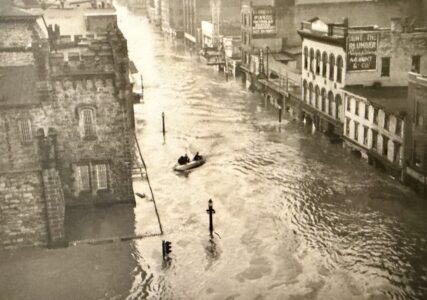
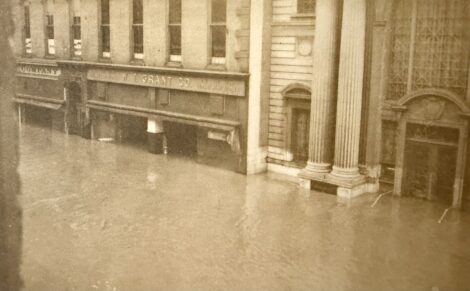
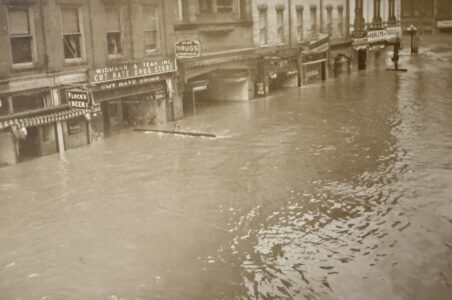
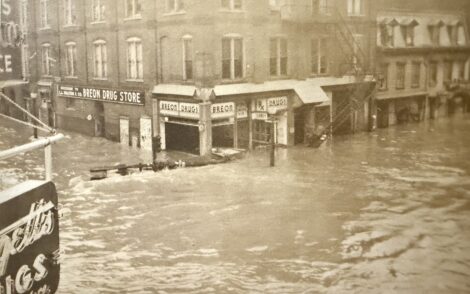
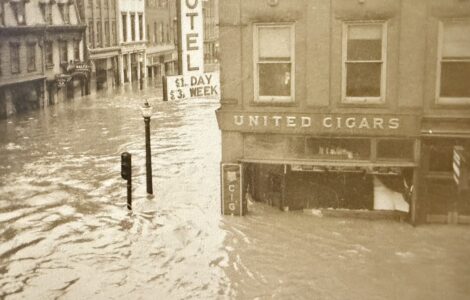
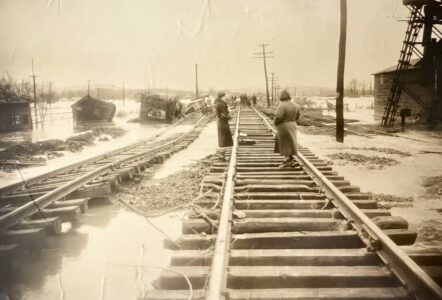
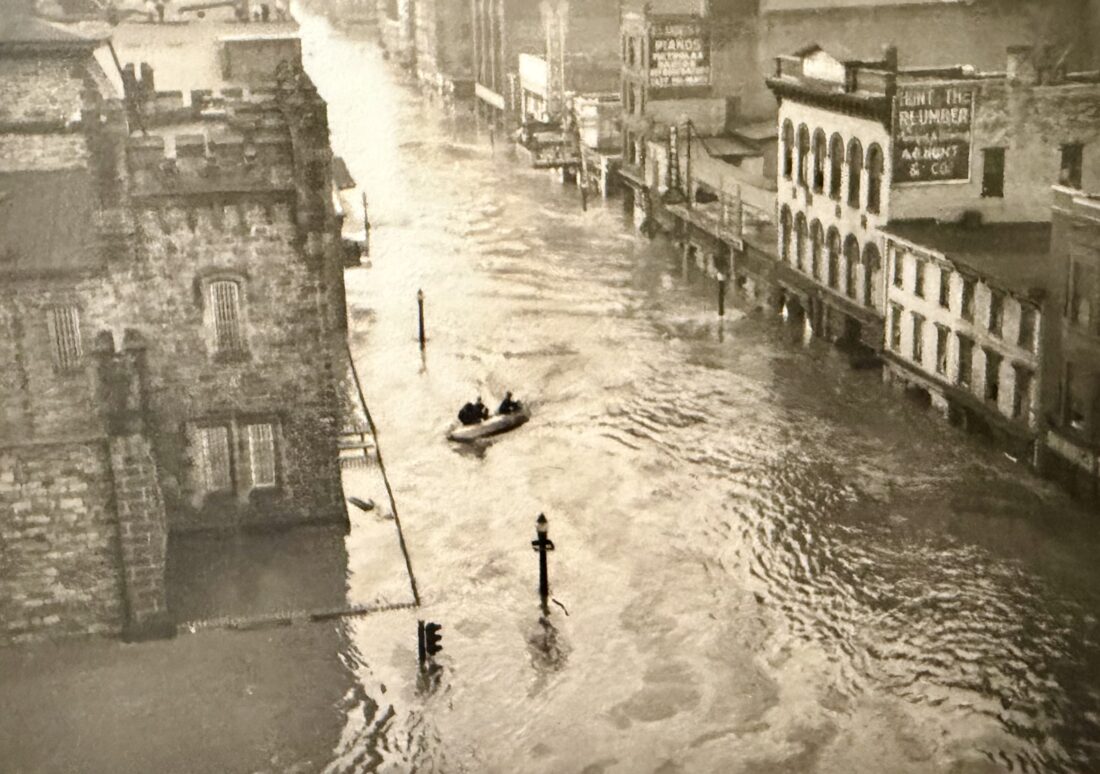
The central Pennsylvania region is no stranger to extreme weather events, with flooding being one of the most prevalent.
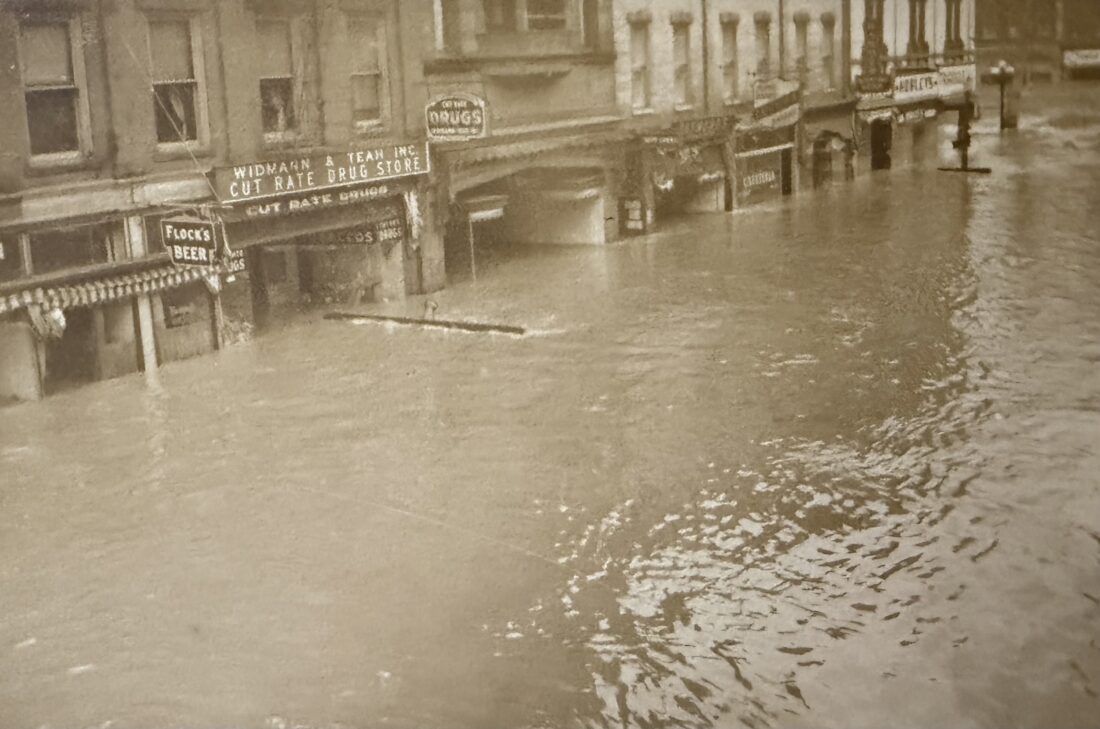
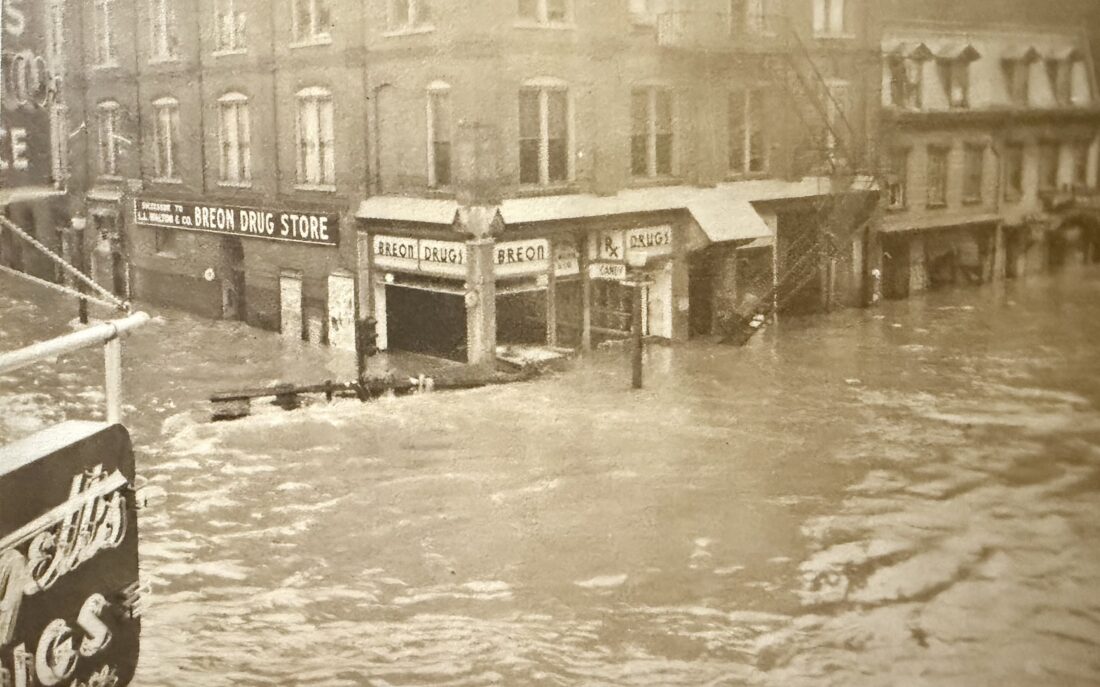
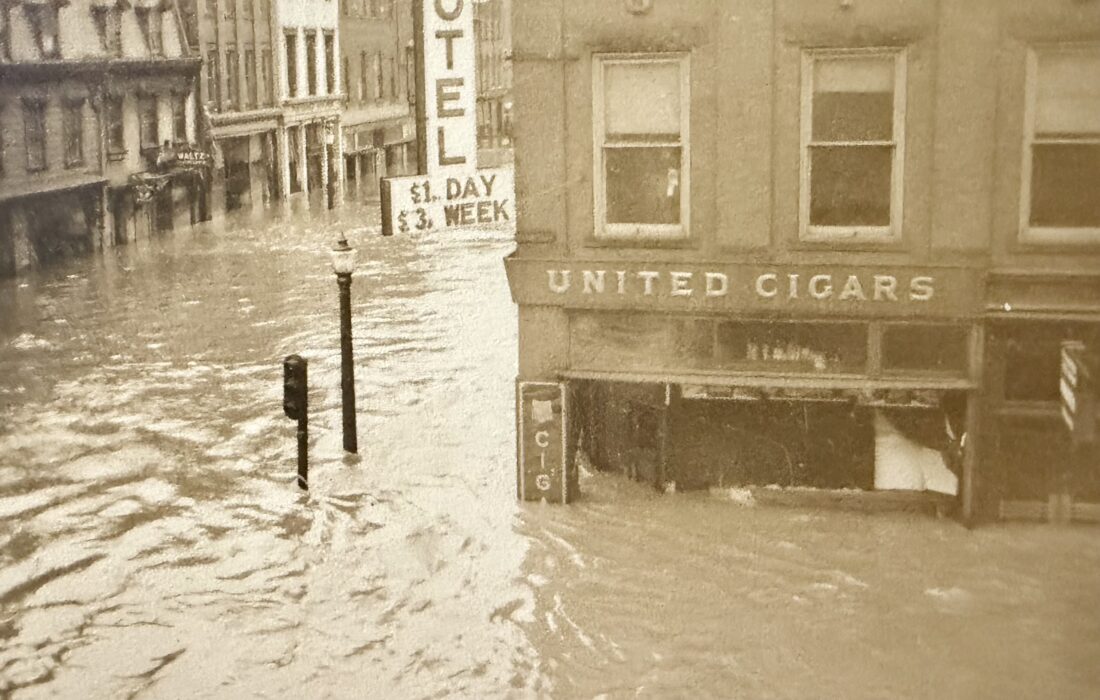
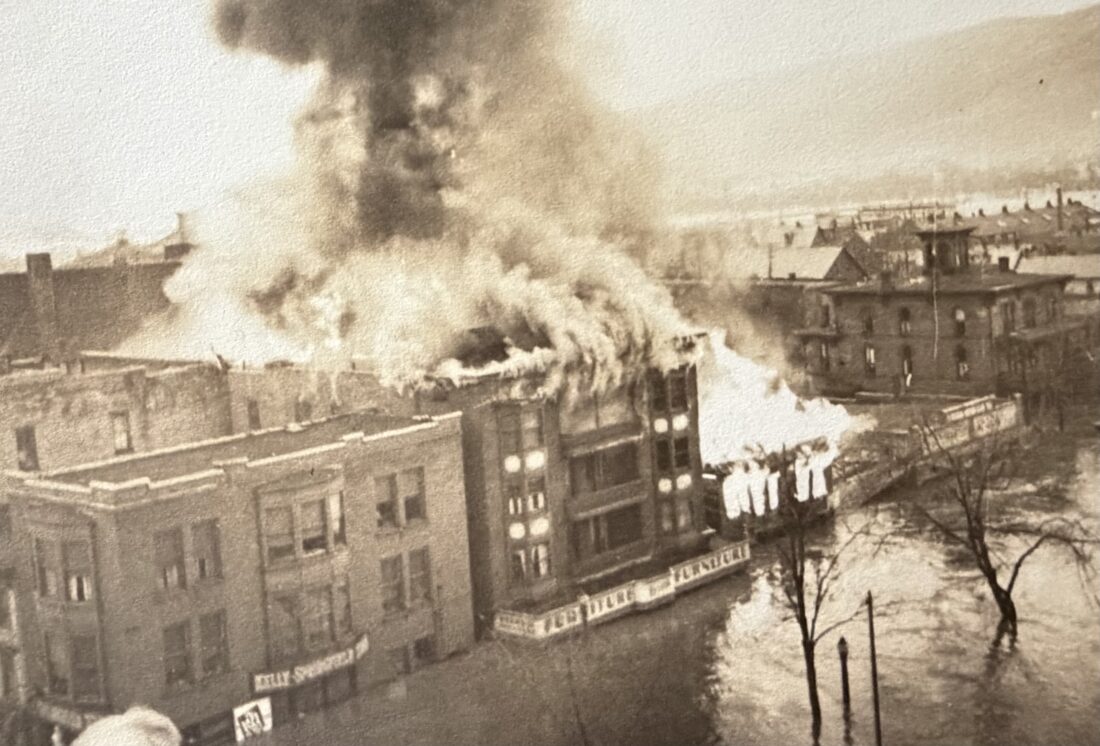
In fact, the area recently commemorated the anniversary of the January 1996 flood, but 59 years, nine months and 28 days prior, on March 17, Lycoming County and much of the East Coast experienced what has been referred to as the “Record Flood of 1936,” the “Great Potomac Flood” and the “Saint Patrick’s Day Flood of 1936.”
The widespread event was caused by an unusually rainy mid-March, by which time many areas along the coast already saw their full monthly totals, according to the National Weather Service.
The state has already seen a steep rise in river levels after a significant warm up led the snow pack to melt within a period of 10 days.
Coupled with a low pressure system moving north from the Carolinas that ushered both warm and cold air northward, the stage was set for the record setting event.
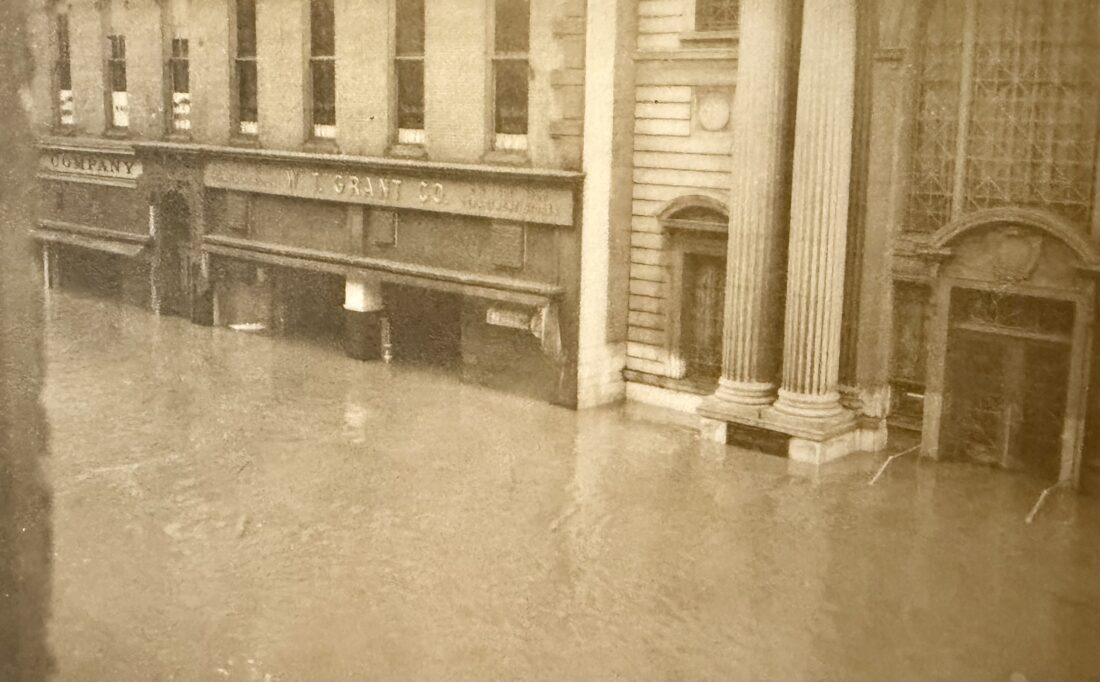
Rainfall totals of roughly four inches state-wide resulted in flood waters cresting at over 33 feet between March 18 and 19.
In the immediate aftermath of the raging waters, all local emergency services focused their attention on those affected by the flooding, including the Williamsport Hospital, today UPMC Williamsport.
At one point, then-currently admitted patients topped 210 in the facility that typically had admissions around 130 at the upper range.
“We have not refused anyone, anything, nor have we turned away anyone from the hospital in need of medical attention,” the hospital said in a statement as concerns grew for those who might be seeking treatment.
Those admitted due to the flood suffered from a variety of conditions, including heart conditions, exacerbated by the stress of the situation, fractures and burns.
Exposure was also a leading cause of treatment, with that of 7-year-old Joanne Lindauer being one of the most tragic.
Lindauer was rescued after a capsized boat resulted in the death of her little brother. A mother and her two sons were also admitted following the same incident.
Fortunately, though the waters reached the edge of the hospital’s lawn, it did not impact the building itself or disrupt the flow of medical supplies or food.
It was an all-hands-on-deck recovery effort as the American Red Cross not only worked to make certain that the hospital had the necessary nursing staff, but to provide disaster relief to the community.
“The basis of relief is need,” explained Field Representative Gus G. Meyer at the time.
The Post Office served as a temporary office for the Federal Housing Administration, who were working to process loan applications to be routed through local banking institutions.
City police faced not only the daunting task of facilitating cleaning of the streets of debris, but also of going about their routine police work, which now included preventing “sightseers” from hindering ongoing efforts and protecting the business district.
Anyone attempting to gain access to the area were asked to provide their reason for needing to be downtown before being allowed to proceed.
Local dentist P.T. McGee traveled by boat from Hepburn and Pine streets to his office at Pine and West Third streets in order to save valuable equipment from the rising waters.
Assisting in the security and cleanup efforts were special police and members of the National Guard, the American Legion, as well as those from the Works Progress Administration (WPA) and the Civilian Conservation Corps (CCC), both having been established as part of President Franklin D. Roosevelt’s New Deal.
With communication services disrupted, local Boy Scout troops not only pitched in to help with clean up, but also to pass along vital messages.
While the total number of scouts involved was unclear, it was noted to have numbered in the hundreds.
A troop from South Williamsport comprising 18 boys is reported to have performed 1,296 hours of service in just nine days, according to local Scout Executive at the time Carl. H. Hall.
Boil water advisories were in place for weeks as the waters receded and the area was hit with outbreaks of Typhoid Fever and other illnesses.
Throughout the disaster, much of the city remained with power thanks to the dedication of Oscar Frear, Lee Wagner and Eddie Nelson, of PP&L.
Utilizing a rowboat, the men disconnected lines enroute from Milton and Northumberland that would normally pass through oil switches, so that it could go directly to transformers. This helped to bypass lower lines that would likely be underwater as the waters continued to rise. Though the transformers were also at ground levels, their insulators stood high above the placement of the oil switches, explained Superintendent of the steam electric plant, Richard Forbes.
Despite the danger of both electrical and water currents, the men looked at their actions as “just part of the job,” Forbes said.
Though many diverse groups took part in cleanup and recovery efforts, they were far from seamless.
Capt. Thomas H. Lynn, commander of National Guard Company K was court martialed for misconduct while undertaking a tour of the city.
“His action, while under the influence of liquor, in demobilizing the units in Williamsport was the only blot on the fine record of the 7,000 National Guardsmen in the state called to duty in the flooded area,” then-state Governor George Earle said at the time.
Officers under the command of Lynn were described as “demoralized” and their headquarters resembled that of a bar room.
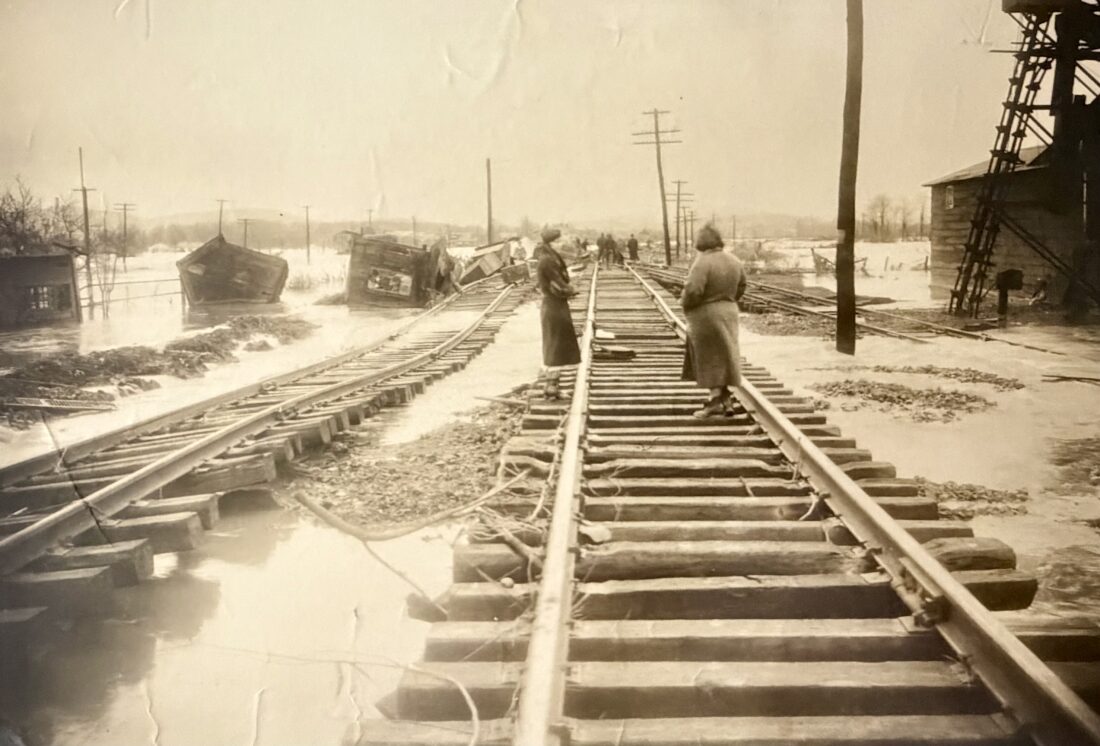
Across the bridge in South Williamsport fared no better, as water backed up from the culvert under the railroad tracks at Culvert Street, causing the borough’s greatest damage from that point and westward. Several buildings were washed clean of their foundations and carried into the middle of Southern Avenue, with one coming to rest against a telephone pole in front of the South Williamsport Community House.
A temporary hospital was established at the home of South Williamsport Flood Relief Committee chair W.D. Crooks, 22 E. Central Ave., where amidst the chaos of the moment, two babies were delivered. Three or four people were also treated for broken bones at the residence.
Approximately 175 residents fleeing the raging waters ultimately sought shelter at the Junior-Senior High School, receiving an estimated 625 meals per day.
The district itself suffered an estimated $6,000- worth of damage.
Just down the road in Montgomery, several areas were completely submerged, with the concrete bridge sustaining heavy damage.
At the railroad bridge, an operator in the tower reported seeing wood and timbers thrown 30 to 40 feet in the air as rail cars were thrown from the tracks by the rapids.
More than a quarter mile from the riverbank, the swirling water gouged a 150 ft. long hole reaching 10 to 20 feet deep, where the train tracks were held above by only their strength.
In Jersey Shore, two men, A.V. Schermerhorn and H.F Lucas, both 45, and of Antes Fort, lost their lives when their rowboat capsized as they attempted to reach cattle marooned in a barn across from Schermerhorn’s property, according to a 1936 article by The Grit.
Schermerhorn had been the tenant farmer at the William Hayes Farm at the time.
Medical personnel posited that both men had cramped up while trying to stay afloat by holding onto the boat, and drowned roughly halfway between the home and the barn, and their bodies were recovered the next day.
In all, the flood caused an estimated $10.5 million in property damage across Williamsport, according to a 1955 report from the Baltimore District Corps of Engineers.
That amounts to $245.7 million in 2026, adjusted for inflation.
Across Lycoming County, losses amounted to $8.93 million in terms of personal, residential, business, public and municipal property, State Highway Department and in agriculture, according to a report prepared by N.L Lichtenwalner, state director for the National Emergency Council in Philadelphia.
Statewide, 80 people lost their lives, while 2,822 people were injured.
2,800 homes and buildings were destroyed, with 55,000 homes suffering damage. At the height of the flood, various disaster relief committees were housing 89,600 people and feeding 216,000.
While damage was extensive, the flood proved beneficial to those experiencing later similar catastrophes, as it was the catalyst for the Flood Control Act of 1936, through which part of the city’s levee was constructed.
Top News
Lycoming County sheriff, prisoners team up to save lives
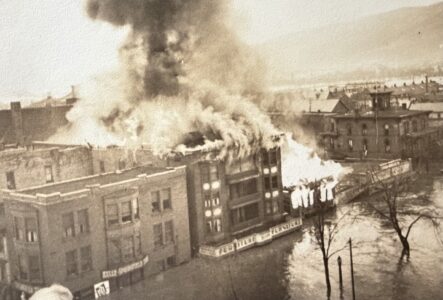
A look back at the 1936 flood
Muncy Township adherence to state Sunshine Act questioned repeatedly at meeting
Montoursville Area School District facing possible budget deficit

Bass Pro plan signatures and other hurdles remain in Muncy Township