
Trending
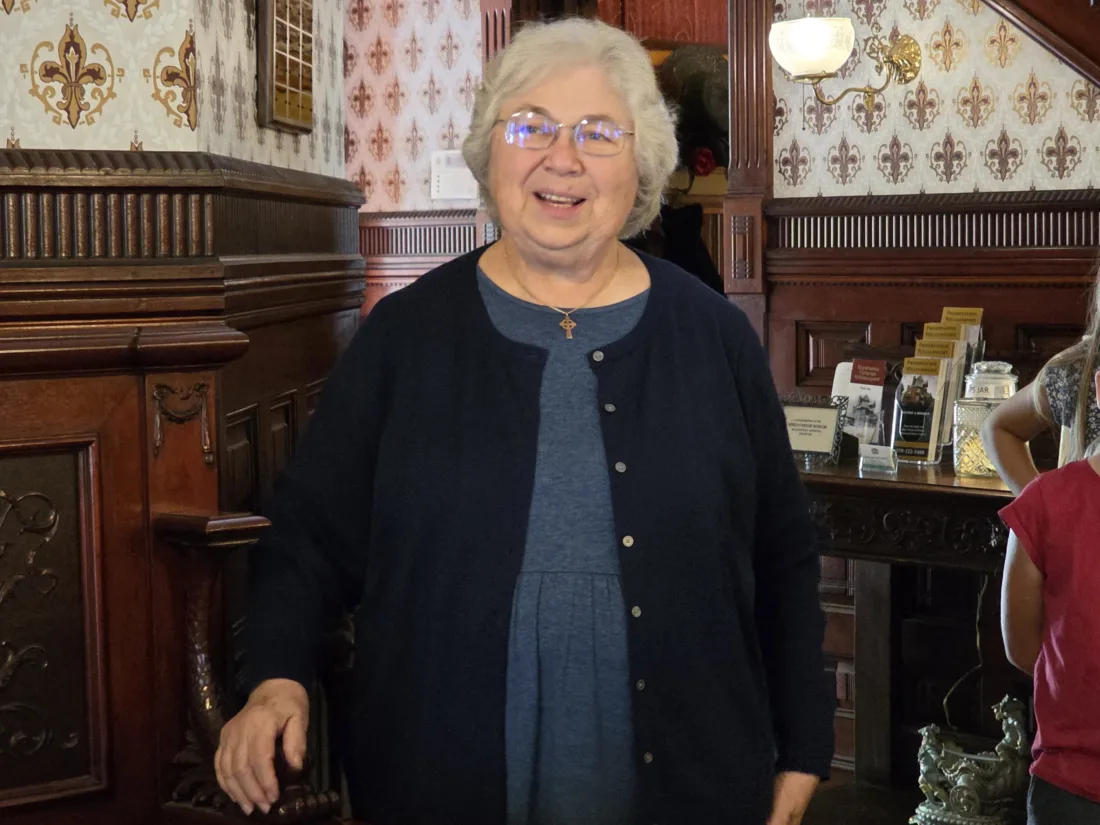
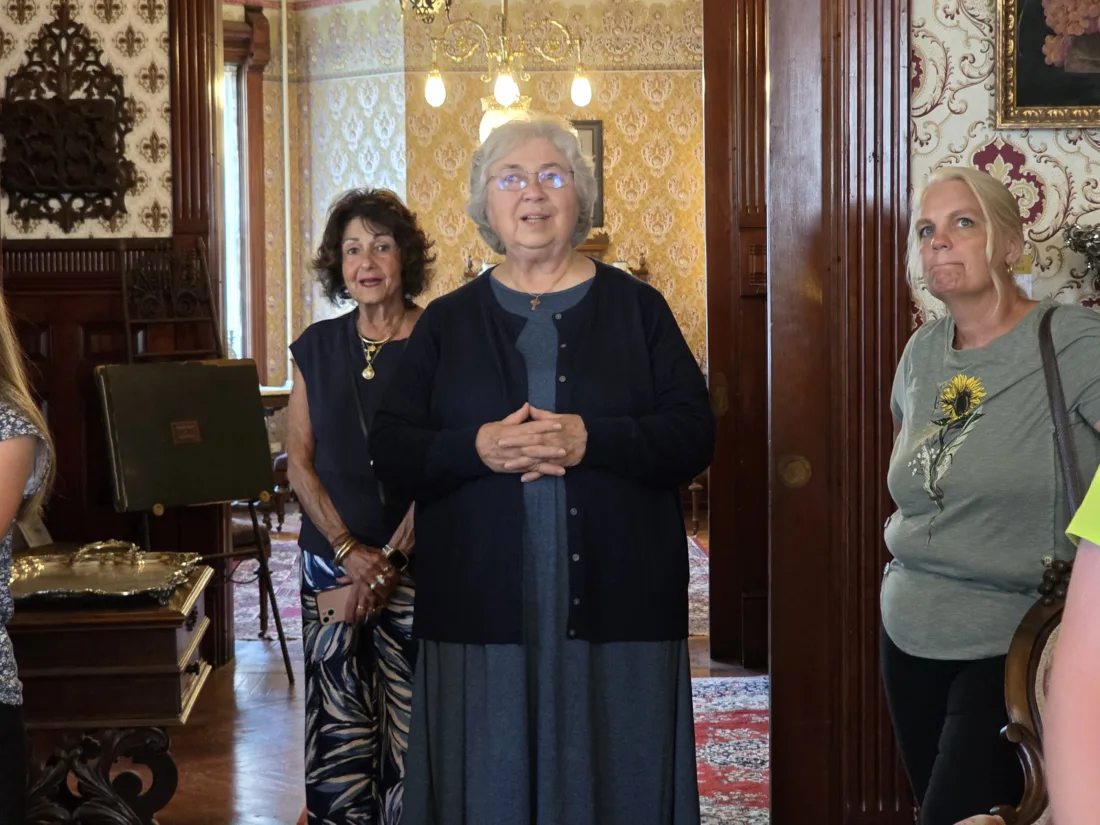
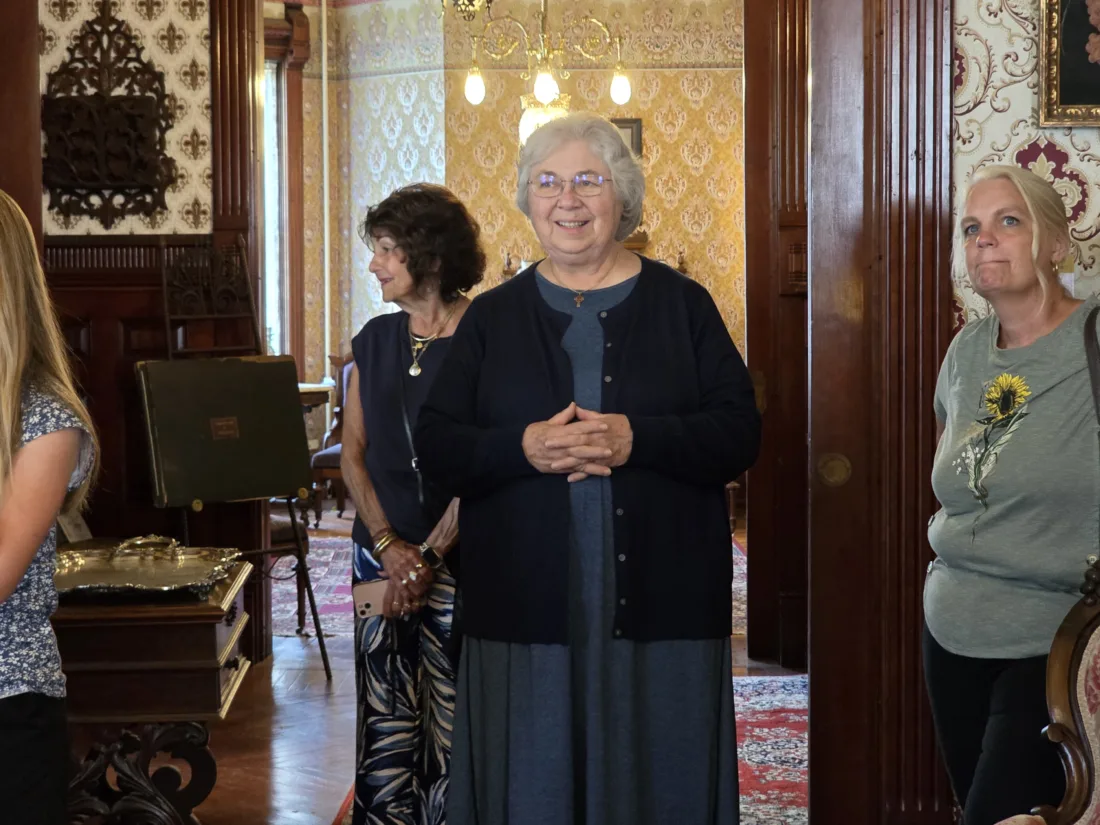
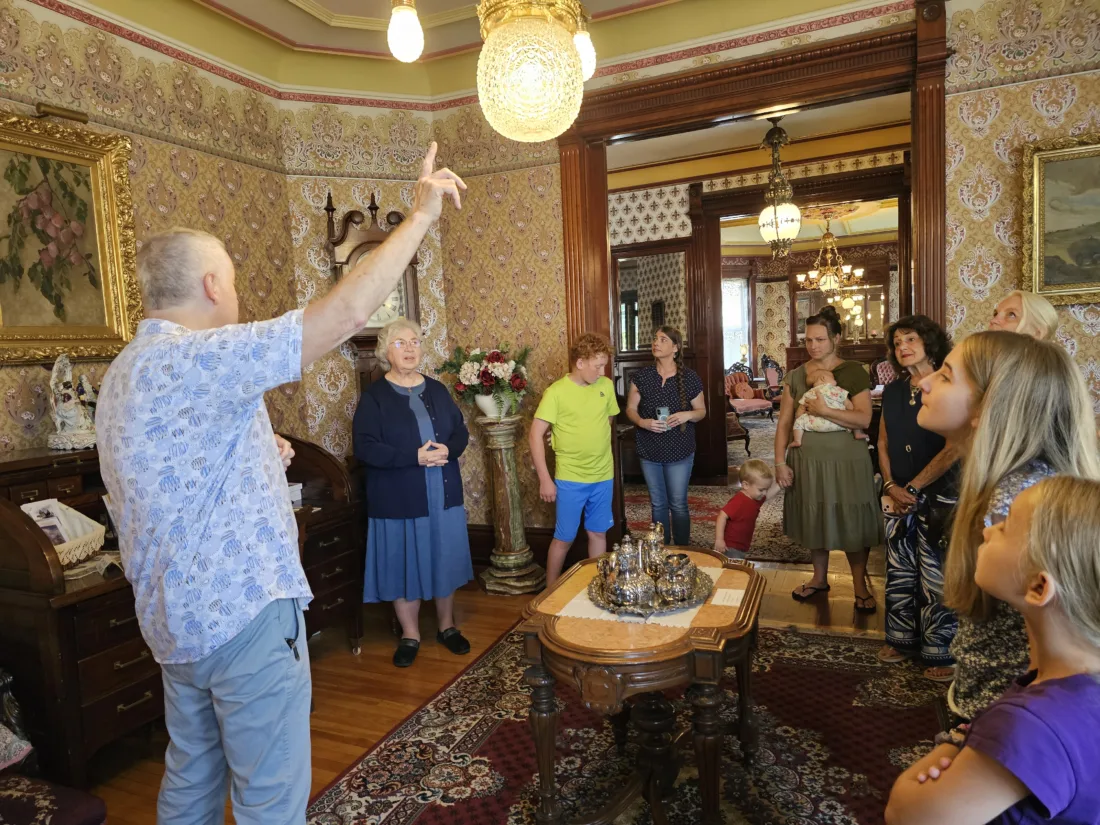
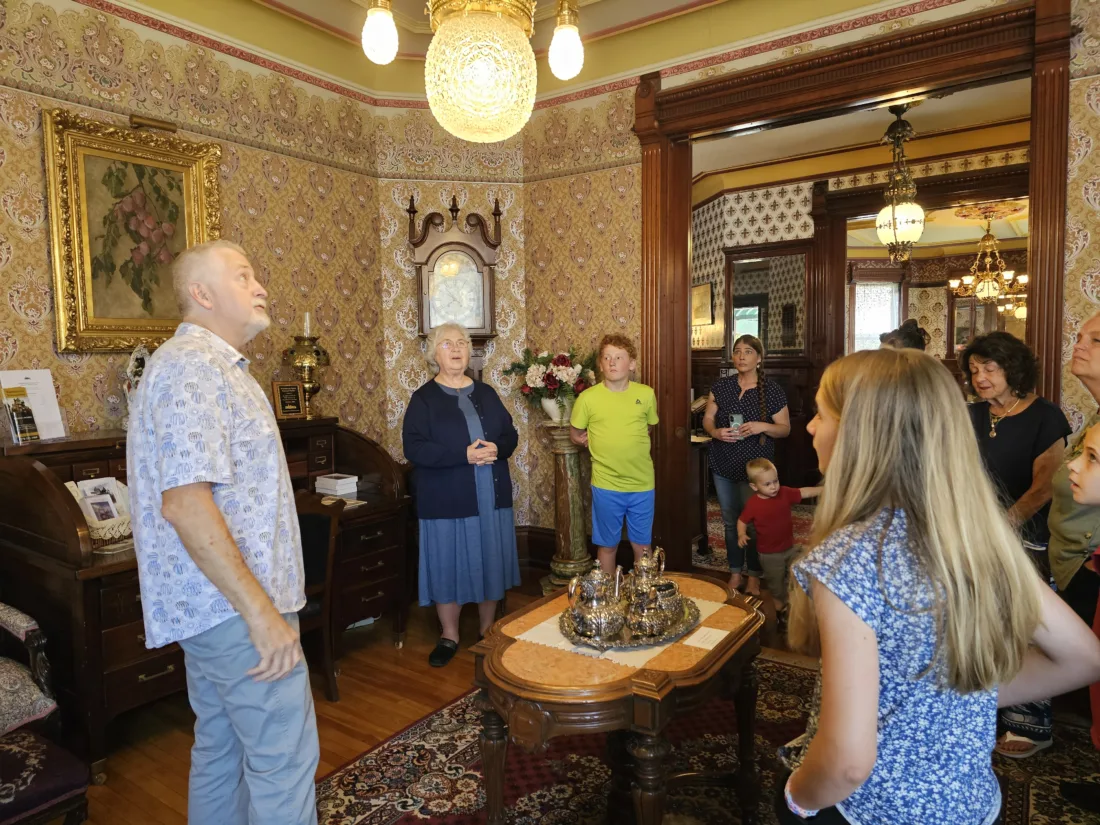
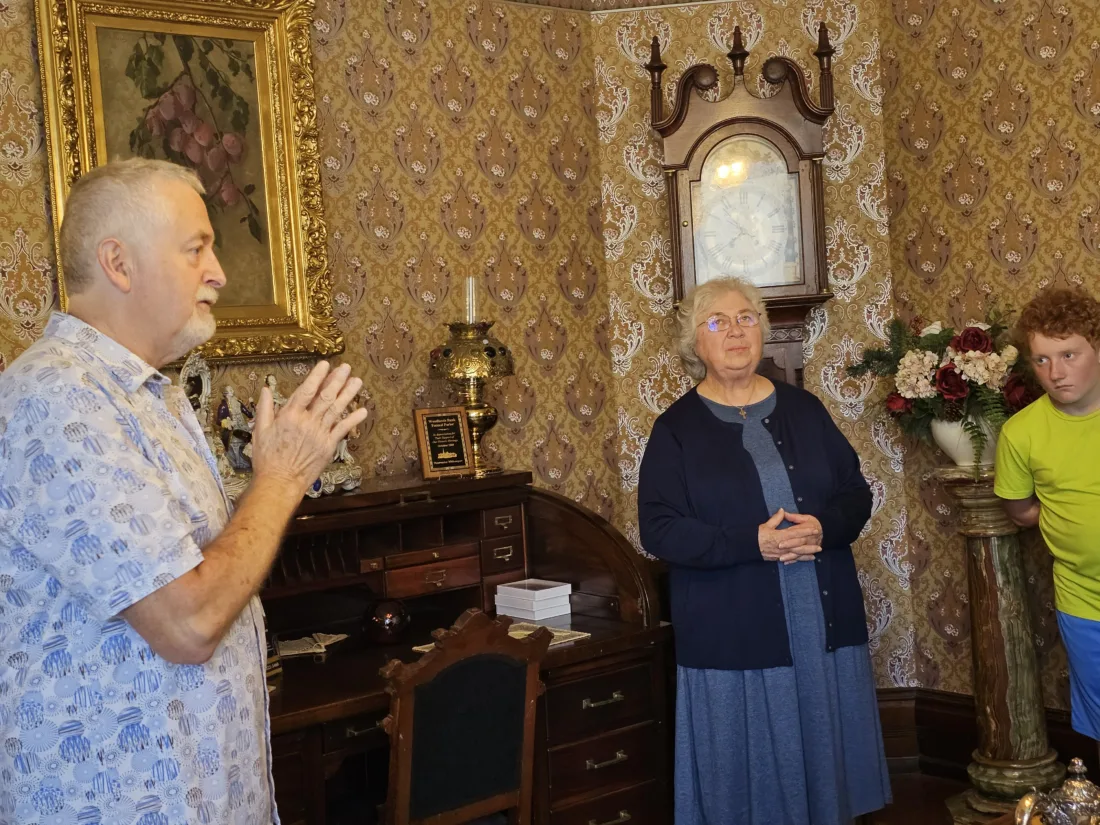
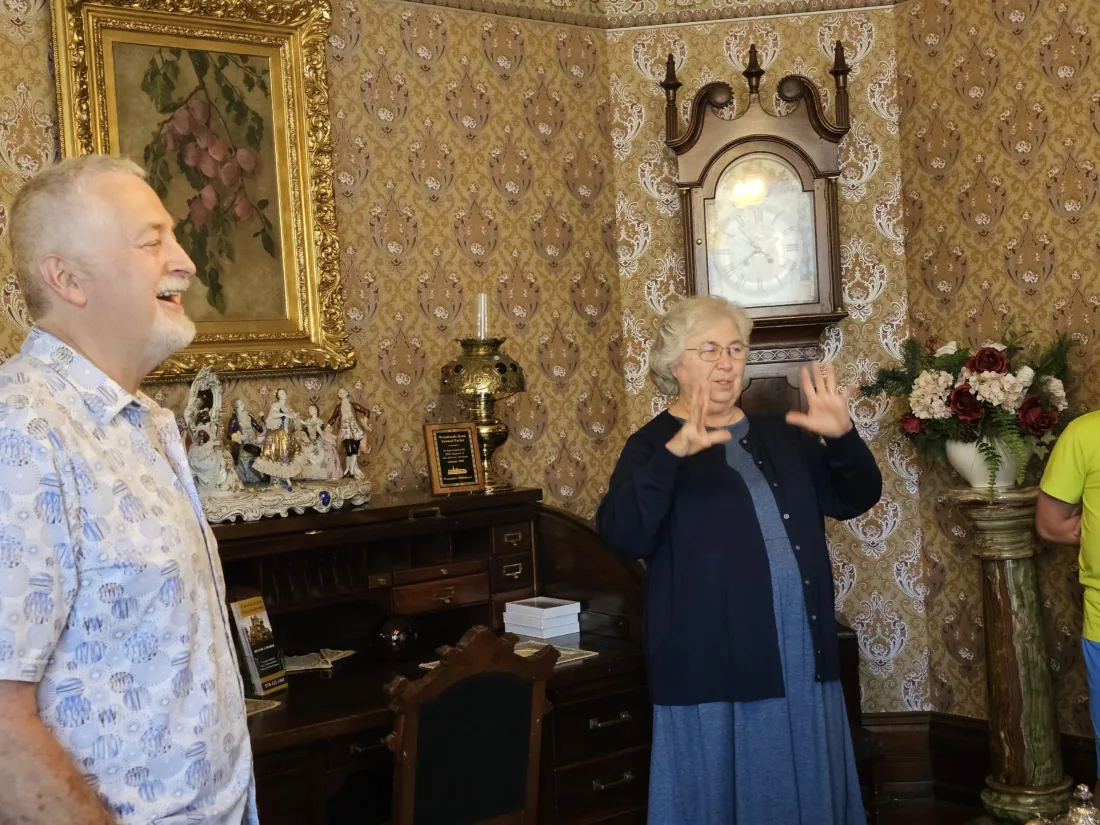
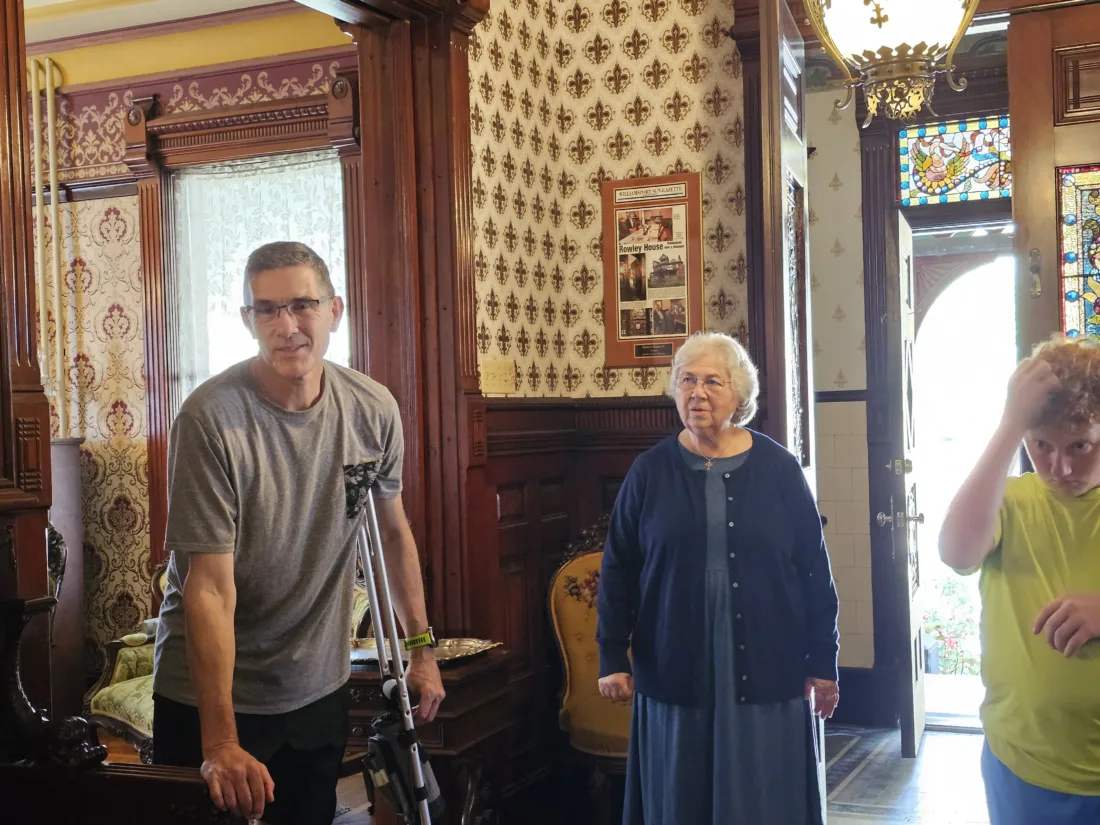
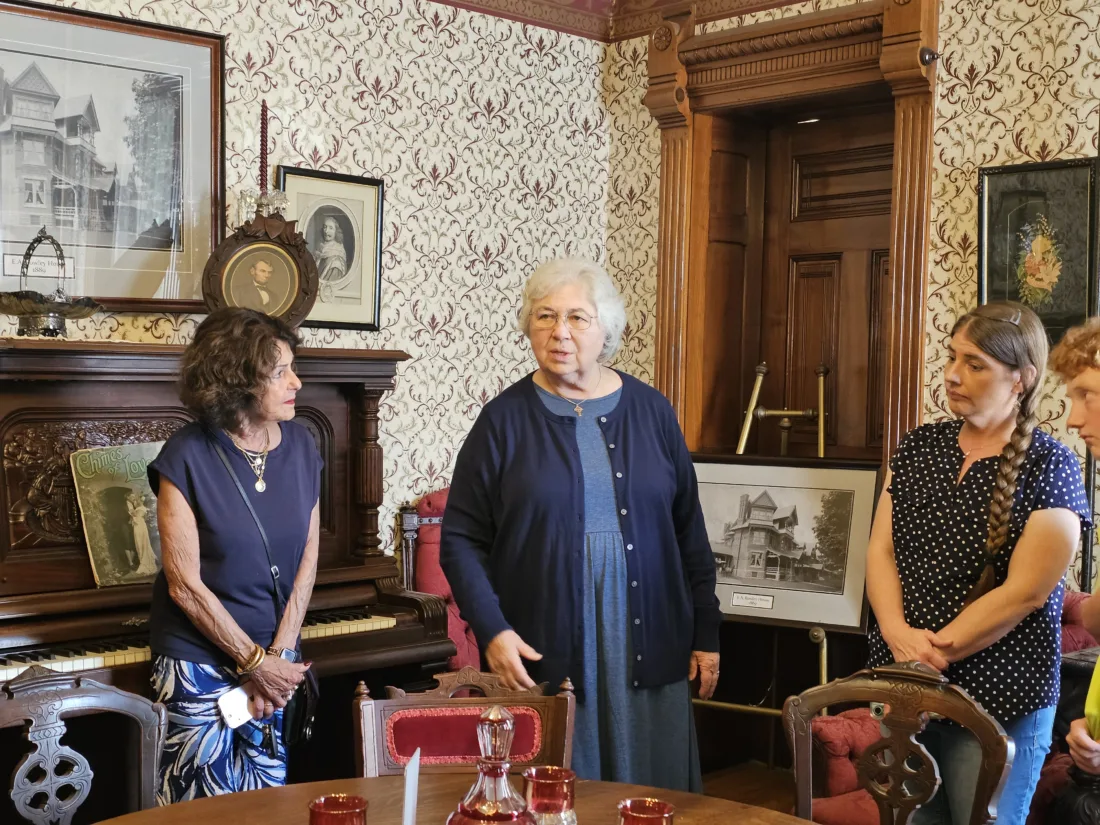
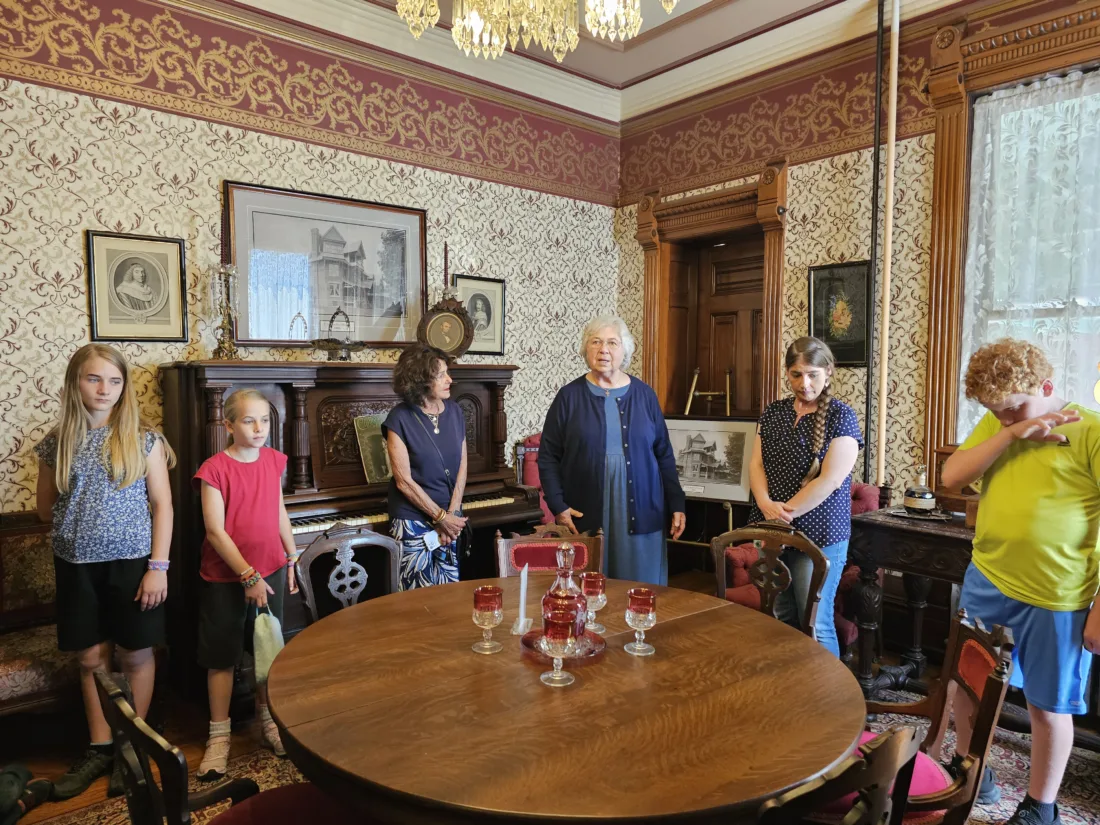
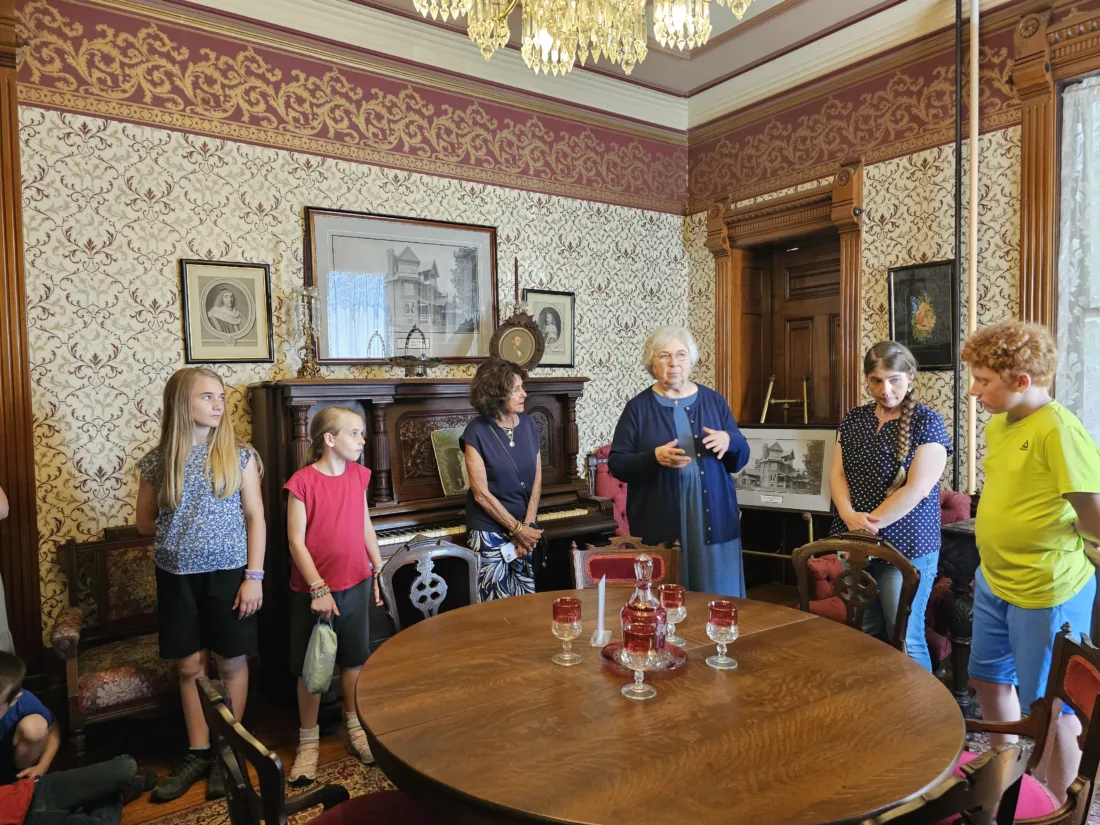
It was a homecoming filled with emotion as Sister Kathryn Kurdziel, IHM, stepped through the doors of the Rowley House and Museum.
From 1932 to 2002, the historic home located at 707 W. Fourth St., was home to nuns serving with the Catholic Diocese of Scranton.
Kurdziel lived in the home from around 1981, off and on till about 1988 and recently visited as part of a mission appeal as part of her work with the Sister Servants of the Immaculate Heart of Mary.
"We have a mission in Sequani, Peru, where a number of our sisters serve," she explained.
After seeing Williamsport on a list of four options for that appeal, Kurdziel's mind was immediately made up.
"I've been wanting to come back, so I just took the opportunity because I was curious as to what happened to that beautiful house," she explained.
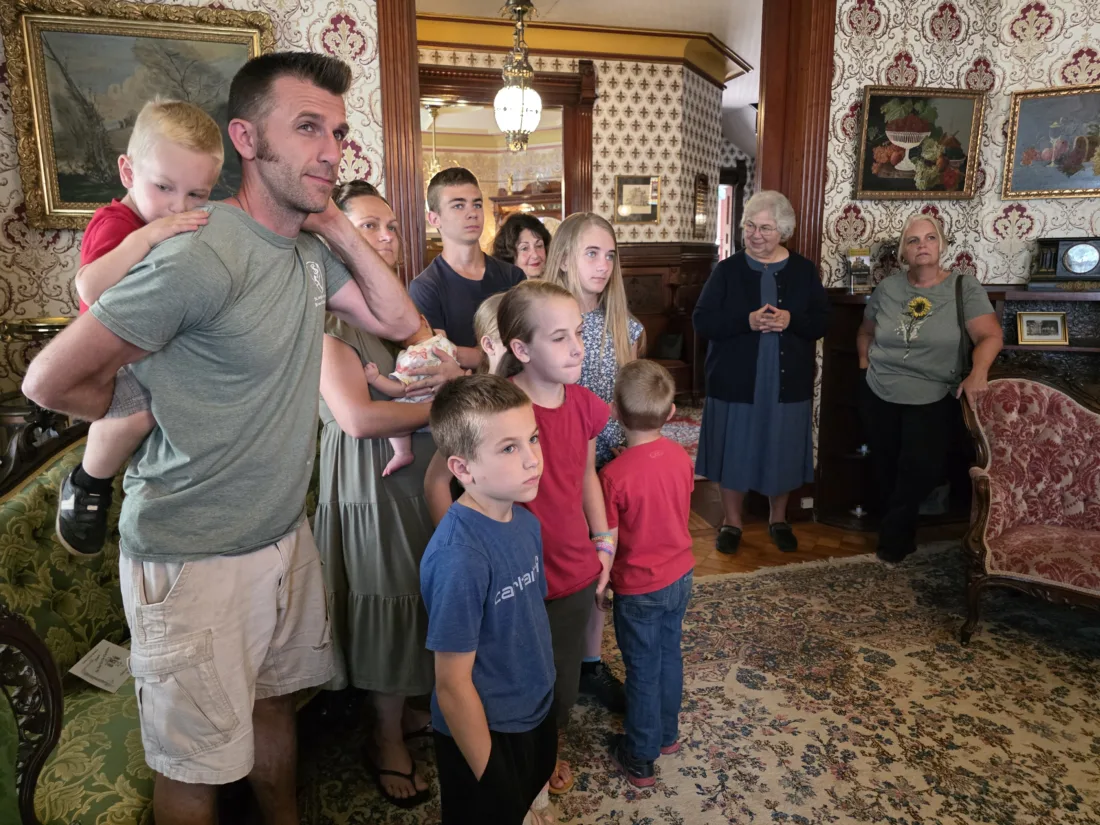
Several former students were on hand to welcome Kurdziel.
"I always wanted to be a sister and a teacher," Kurdziel, who has now been involved with the church for over 60 years, said.
She would begin her service at the age of 18, after graduating high school.
"We had a three-year period of training called formation, a period of study and career, learning how to be a sister, including at what time you could ring the bell. The one I remember is one bell was for early supper," she joked.
After completing her education at Marywood University, Kurdziel worked as a high school teacher for most of her career.
"I spent close to 30 years in education, and then I went back to grad school to get a second masters in theology and how to be a formation director for the new sisters coming in," she said.
Kurdziel and another sister were moved from St. Lawrence Parish in South Williamsport to the Rowley House as numbers dwindled there.
"I think there were six or seven sisters who lived in the house with me, and they mostly taught at St. Joseph's School, but I taught at Bishop Newman High School the whole time that I was here," she explained.
"I was glad to see it still standing," Kurdziel who currently serves as the delegate for Religious for the Diocese of Scranton and works under Bishop Gary Lambert Jr., as a liaison between the sisters and the diocese, said.
During her visit, Kurdziel offered several memories of her time in Williamsport.
"Monsignor Fleming was the pastor of the parish here at that time, and he was a frequent visitor, and he liked this house a lot," she said.
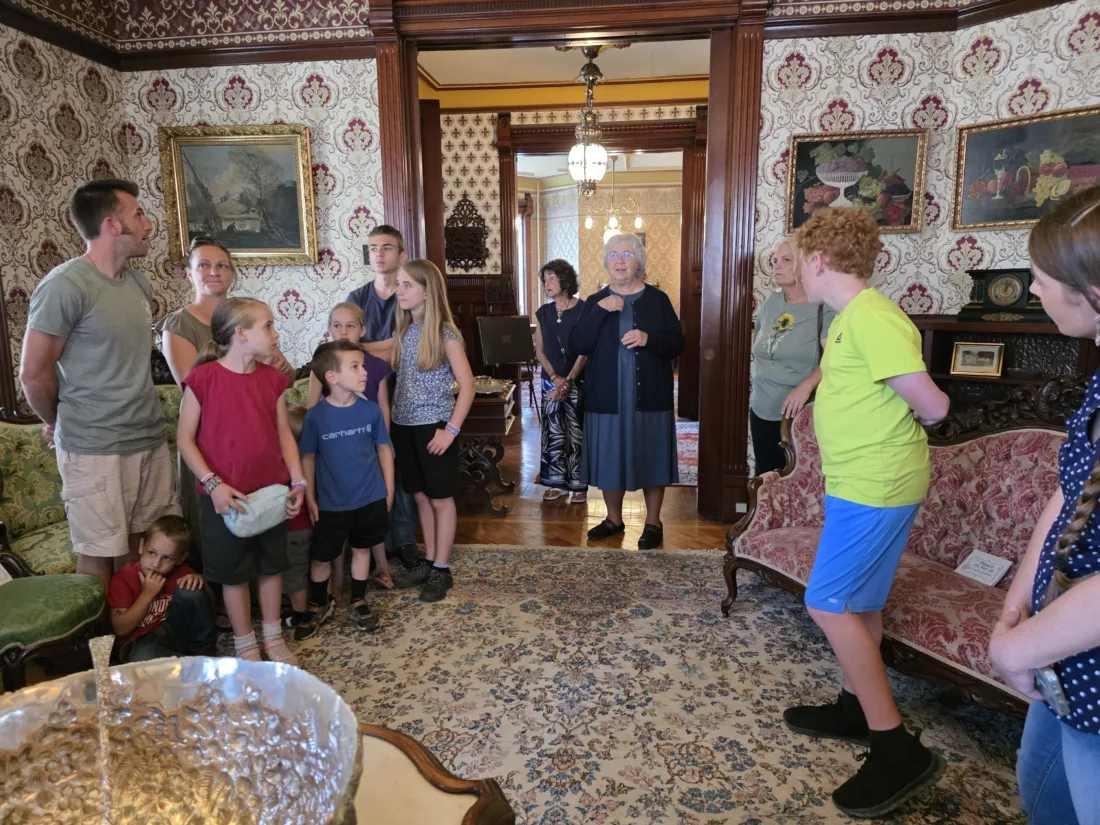
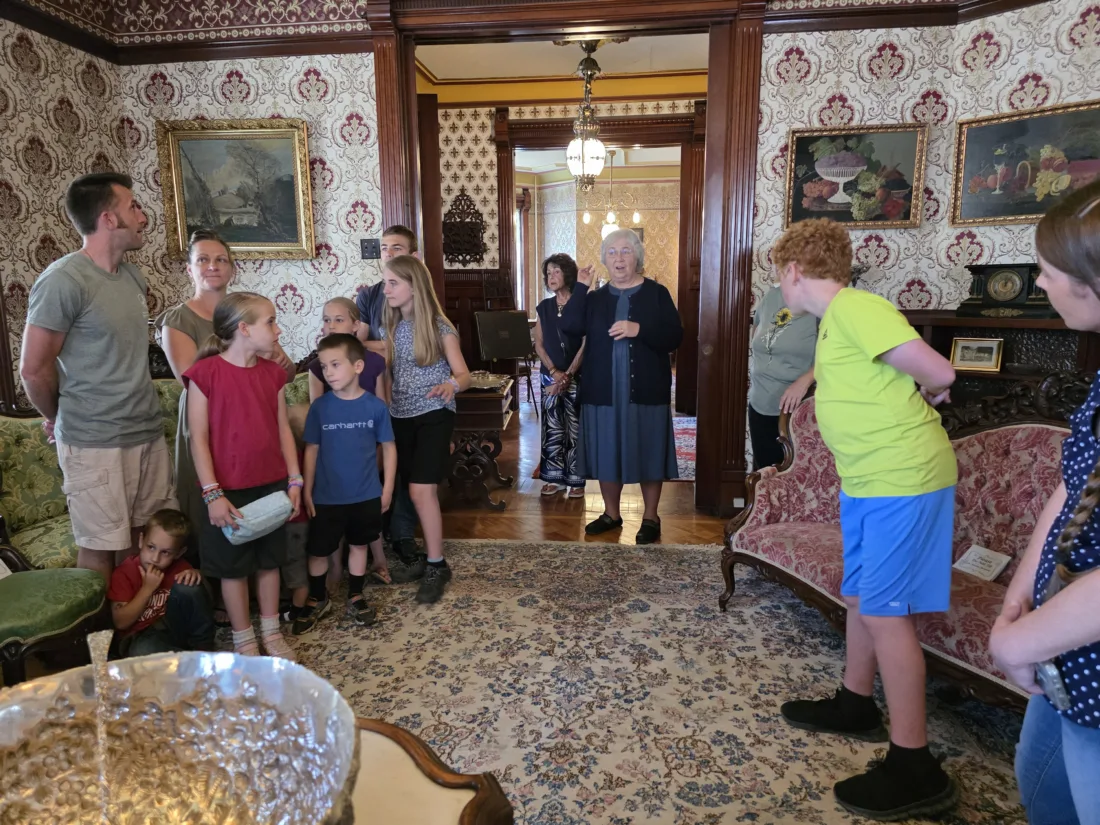
"And he used to kid us about a chandelier in this room, saying 'don't be cleaning, you'll break it,'" Kurdziel said with a laugh.
Another highlight for Kurdziel and the other sisters residing in the convent was watching the parades down Fourth Street and "Millionaire's Row" from the balcony above.
Kurdziel was also particularly fond of a subscription to both the New York Times and the Philadelphia Inquirer that the convent received.
"I was in my glory because we could never afford the New York Times, but it came from somewhere to our door step every day. I don't know if it was from a donor who knew the sisters, but I was the beneficiary. So I would sit in the living room at night and read and read and read," she said.
A native of the Scranton area, Kurdziel was particularly impressed by the homes in the Williamsport area.
"It was a shock that we got to live in it, and it was very convenient. We just walked across the street," she said.
Kurdziel recalled how large bedrooms in the upstairs of the house were divided in order to create enough space for all the sisters residing there.
"And then there were back rooms that were like servants' rooms, and front rooms that belonged to the owners or whomever, and the stained glass window at the top of the stairs. You could tell it took great care," she said.
Kurdziel noted that a library occupied one of the first floor rooms, that almost every room in the home contained a fireplace, and that a ladies changing room was adorned with a Delft sink.
"Just beautiful things, all mostly hand carved," she added.
"Every now and then we'd get a call, asking if they could bring a busload of people in here because by the time I got here to live here, it was the only intact house on Fourth Street, because a lot of them had been converted into apartments or businesses," Kurdziel said.
The high ceilings of the dining area also made for some humorous moments, she said.
"There were cupboards and things in there, and the sisters I lived with were not much older than I was, but they were very short. They might have made five feet, so they used to call me the ladder lady because I was the only one who could reach the dishes and things because they were way up high," she said with a laugh.
"I used to step on them when I turned around because they were below my line of vision," Kurdziel added.
Kurdziel also found herself drawn to the greater Williamsport area.
"I just loved the beauty of the area. I wore my bike out here going all over the place," she said.
"And I love Little League. It's one of our favorite things to watch every year, but when we were here, we would get tickets, and some would get in seats, and some of us sat on the hills and watched," she said.
Kurdziel has her own familial connection with the sport, as her father helped found the Pocono Mountain League following WWII.
Kurdziel's life of devotion to the church led her to many places over the years.
"I was in Korea for a three-week visit because we had some Korean sisters who joined us, and we met their families, spent nice days with them, and then their families came to visit us," she said.
"Many times I went to Peru, where our sisters worked in the mountains with the very, very poor. So I've been back and forth for the last 18 or 20 years, every maybe two or three years for a week or two or three weeks or a month, depending on what we were doing at the time," she said.
"I've had a lot of opportunities for education and working with students. It's just a wonderful life, and we're still going," Kurdziel added.
Still, the Williamsport area holds a special place in her heart.
"I cried when I came through the gate. I did," she said, choking back tears.
I just have such nice memories. Here it is, a piece of history, and I'm so happy that it's preserved," Kurdziel said.