
Trending
(The following article was first published in The Grit on Oct. 29, 1933)
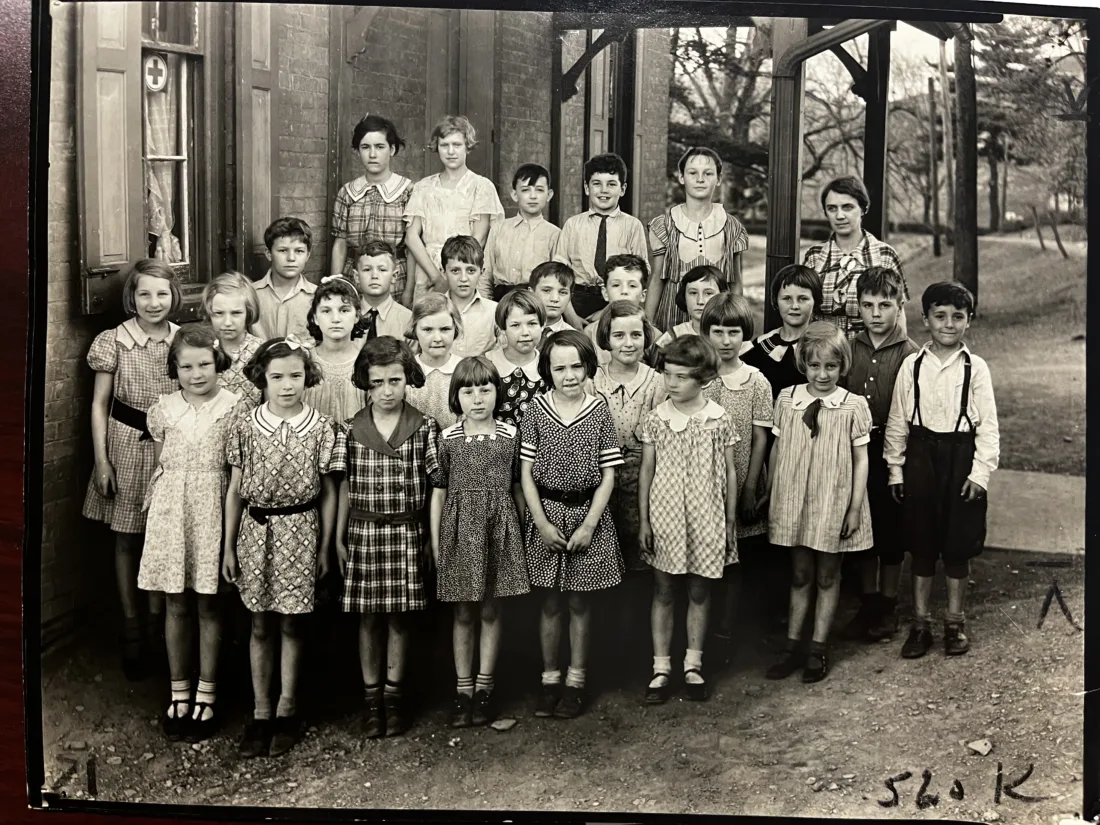
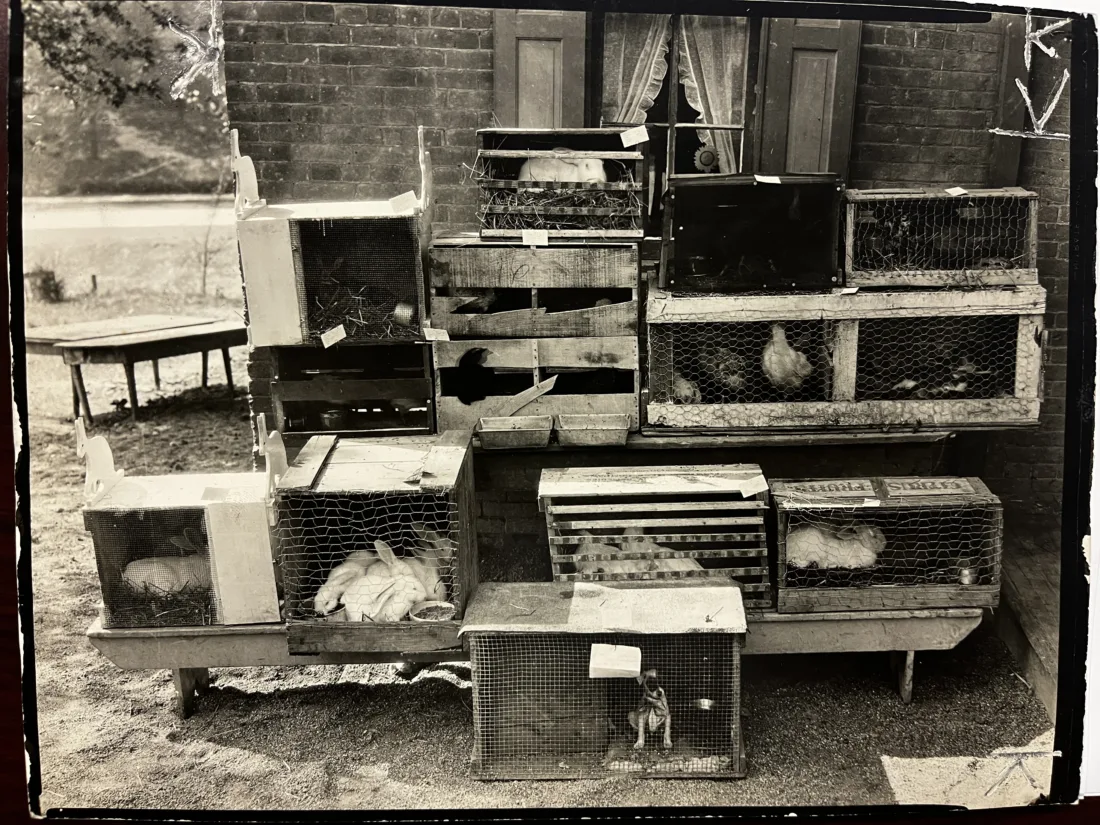
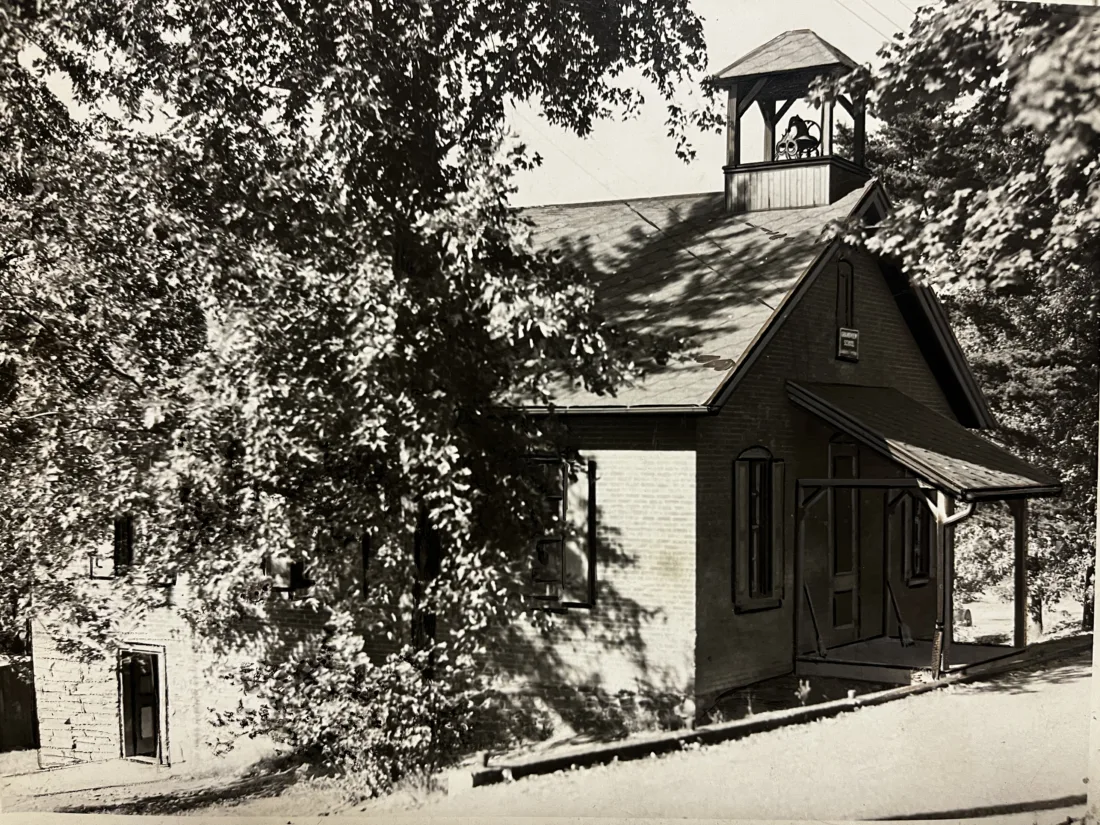
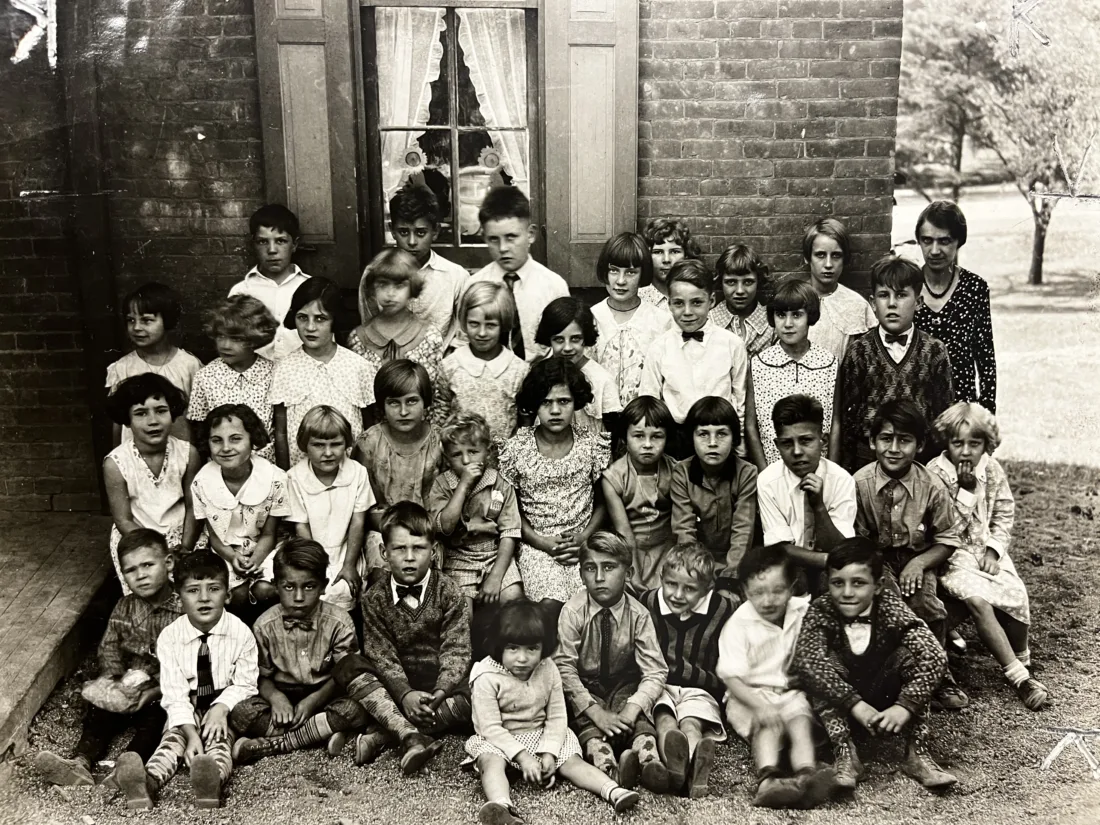
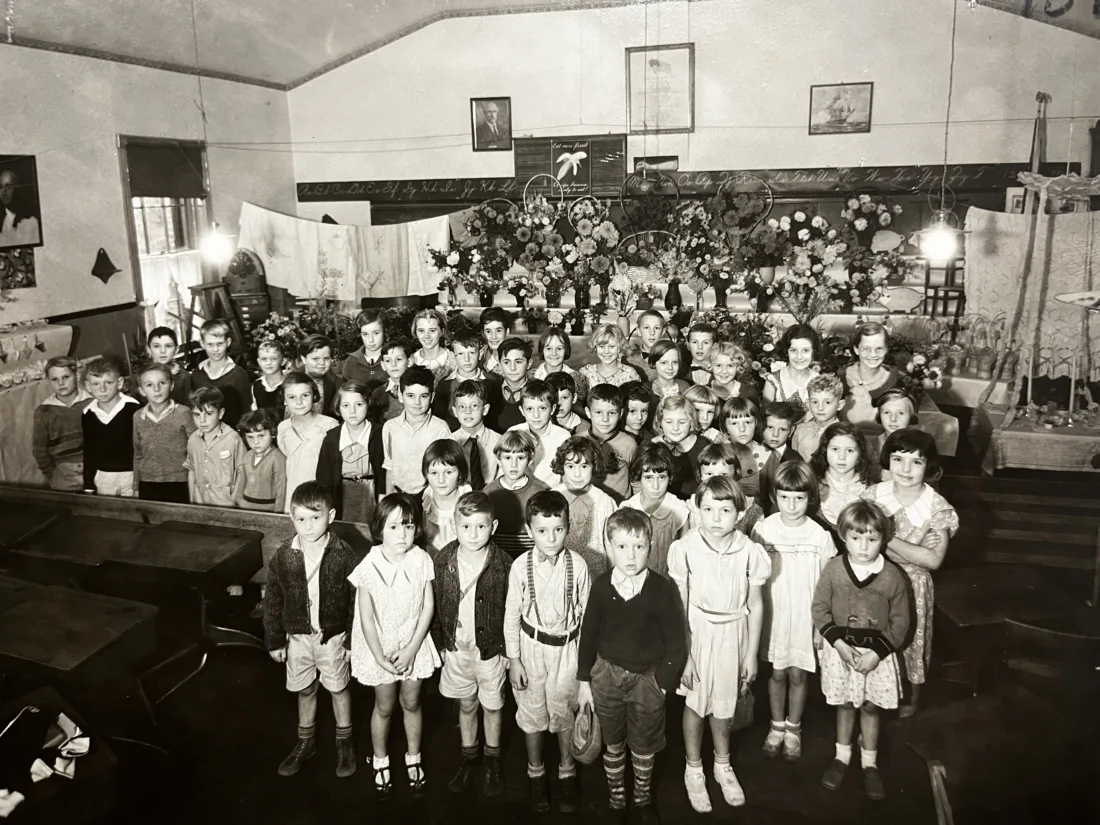
Grandview School in Loyalsock Township offered considerably more than reading, writing and arithmetic. The little one-room school operated on what might be described as a family plan. The Grandview School was said to be the first one-room school in the Eastern United States and one of the first in the nation to sponsor a junior fair and that idea was copied by many other schools. It had its inception at Grandview in 1926. Each year the 30 or so pupils of the school's six grades, ranging in age from 6 to 12, raise poultry, vegetables, and flowers.
The girls sewed and canned fruit and vegetables and the boys practised woodworking.
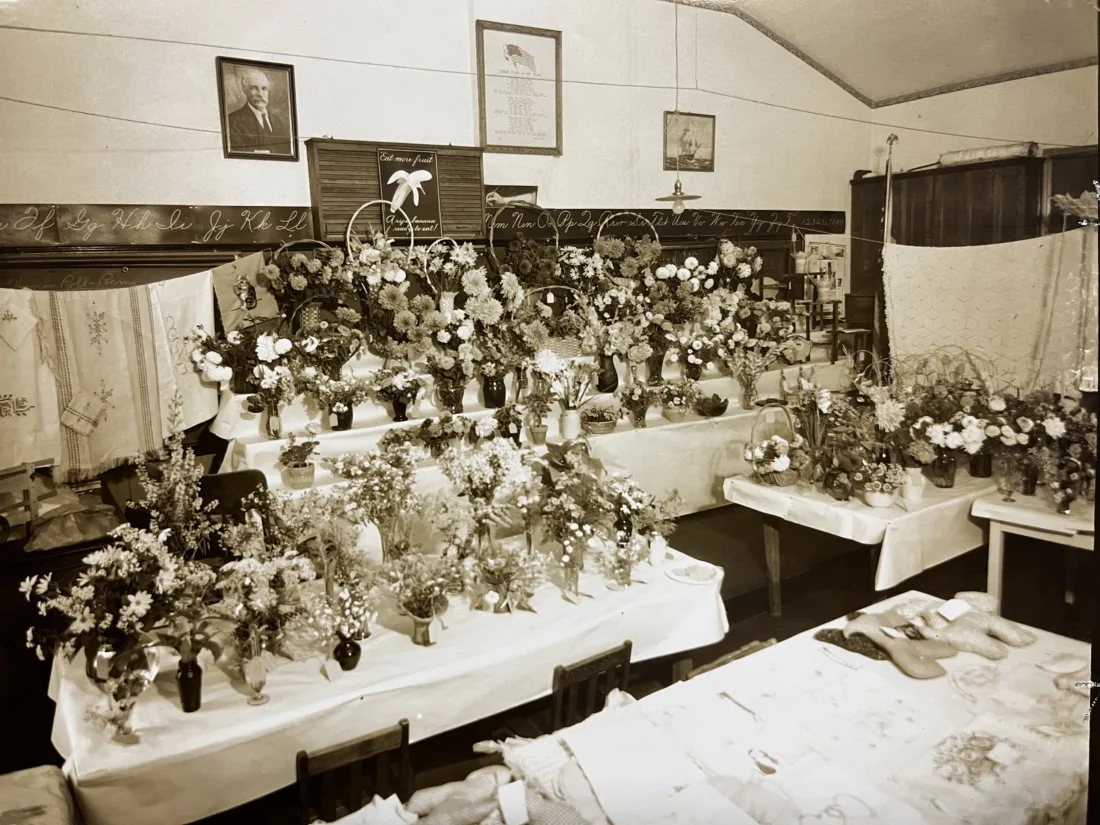
The fair was held shortly after the opening of school every September, and culminated the summer's activity. Articles made or raised were exhibited with parents also takıng part and prizes were awarded.
The Grandview School was unique, too, in the way it had helped to feed many of the more unfortunate children whose parents had been on the county relief list because the fathers lacked work.
On a $2.50 weekly relief order and with milk furnished by the state, the school was able to give hot meals at noon five days a week to an average of 20 pupils throughout the school year.
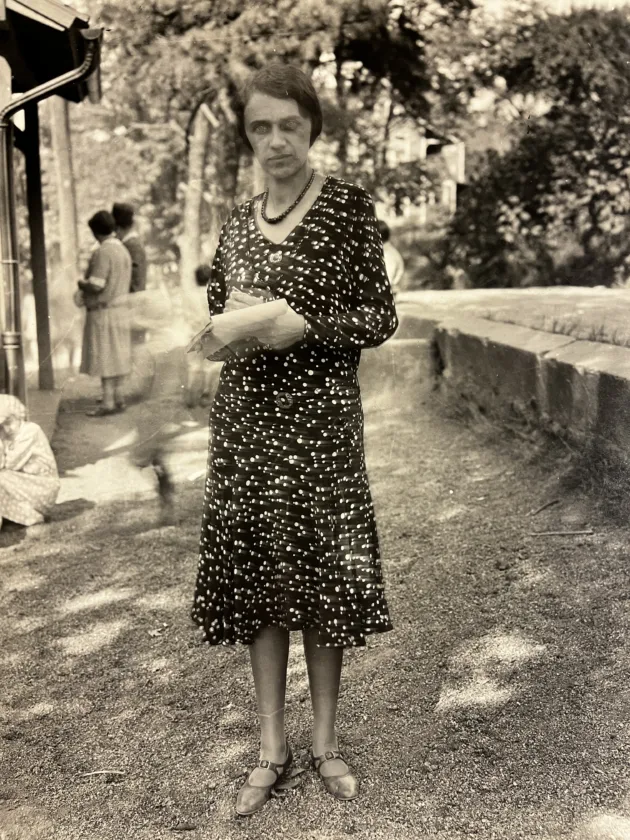
The teacher of the Grandview School was Miss Esther B. Love a native of the village of Waterville. Possessing "boundless energy and originality" this young woman had been at Grandview for 11 years. To her went the lion's share of the credit for the development of the school. Although she had the co-operation and encouragement at every turn from parents and school supervisors.
In 1926 the school organized a club for nature study. From it the school developed the varied activities in which the school engaged.
With nominal dues the club had purchased pictures, utensils for the school kitchen, flower bulbs, trees and shrubs for the schoolyard, sash curtains for the windows and flowers for the sick. The children had sent baskets of food to flood victims in other states and Christmas baskets to poor families in the district.
Successful in the first year of the nature club organization Miss Love conceived the idea of giving each child a definite project to work on during the summer. The project list was endless. Some children had flower and vegetable gardens, saving their seeds and exchanging them year to year. Others raise poultry, pigs, rabbits, and bees.
Some of the girls did sewing, and the boys turned out striking pieces of woodwork. All projects were visited, supervised and inspected by Miss Love and C.H.
McConnell, county vocational supervisor of agriculture, twice during the summer.
Then in September a fair was held in the schoolhouse with merchants of the nearby city of Williamsport contributing prizes supplementing the ribbons and cards that were awarded to the winners.
And of what value is all this "It teaches children the value of using their spare time." Miss Love explained, "It shows them how to use their hands as well as their brains, teaches them the names and uses of vegetables and flowers, develops a sense of pride in accomplishment, aids them financially through the sale of their products and keeps them out of mischief."
The vocational education of Miss Love's students was by no means confined to the summer.
The school district paved the building's dirt cellar, and fathers of the pupils walled it. using the outside casing of rough boxes, donated by an undertaker.
At the cellar workbench, in the manual arts room with store boxes for lumber, the boys made wall racks, book ends, tie racks, door stops, napkin rings, and footstools.
Miss Love taught boys as well as girls the art of darning and sewing on buttons, while the girls advanced still farther into the more complicated needlework. The girls did embroidering and crocheting and made aprons, underwear and dresses, aided by several electric sewing machines which a sewing machine company donated for a part of the school year.
Odd pieces given by their mothers and cloth obtained through the Red Cross and interested people supplied the material.
Boys Also Do Cooking
Both boys and girls took turns cooking the noon meal and washing the dishes in the neat little kitchen in the rear of the school. The cooking was done on a two-burner electric hot plate gift of the parent-teacher association.
In addition to sandwiches and milk, the children enjoyed baked beans, macaroni and tomatoes, fruits which they and their parents had canned and other appetizing dishes..
The enterprising parent-teacher association has also supplied the school with many other useful articles, including dishes, a victrola, piano and instruments for a rhythm band.
The school also had a radio, the gift of Miss Love.
An unusual little school that was Grandview had community interest developed to a high degree. Teacher and parents were intimately associated in their task of rearing well-educated, well-balanced self-reliant young Americans. In fact, the school district is like one big family with every one working for the common weal. It showed most impressively what opportunities there are today in rural education.