
Trending
(Editor’s Note: The following article is from the Williamsport Sun-Gazette's archives.)
Some places inspire memories that are more feeling than fact.
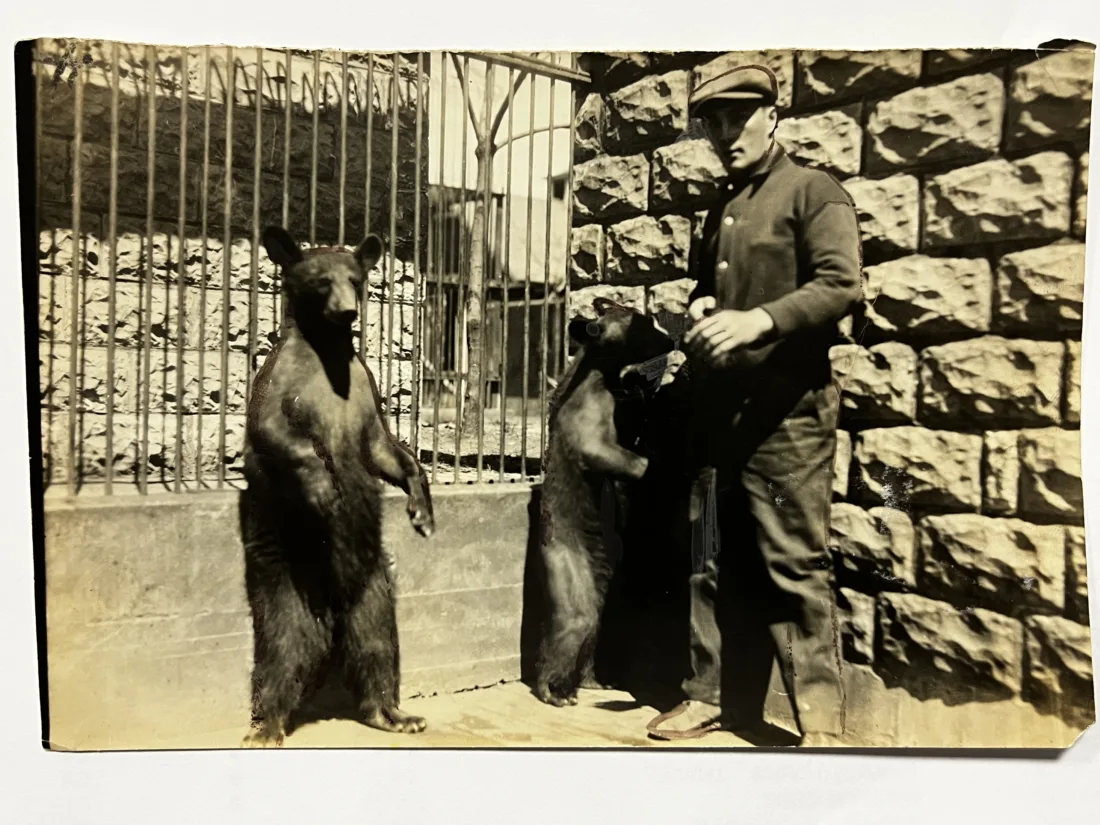
The Memorial Park Zoo was such a place. It boomed during the late 1920's and early 1930's when its cages were filled with a variety of attractions.
The zoo complex was situated parallel to Beeber Street just north of the West Fourth Street entrance to the park.
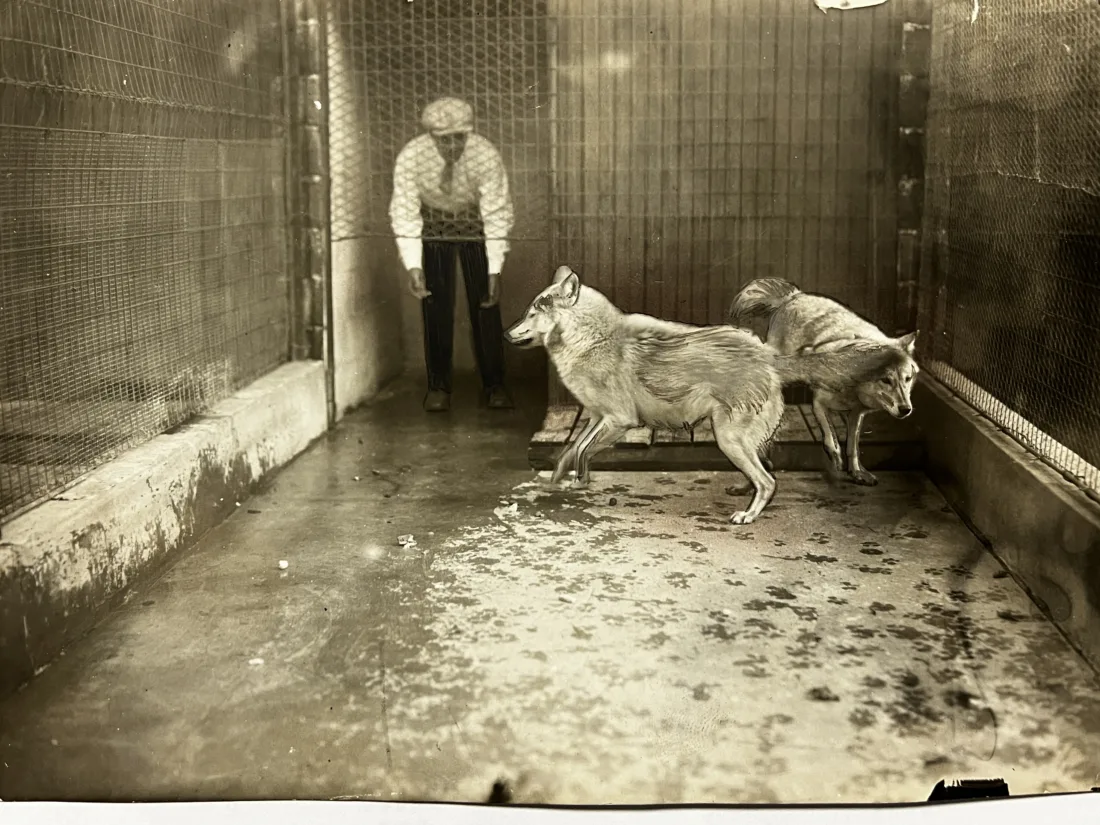
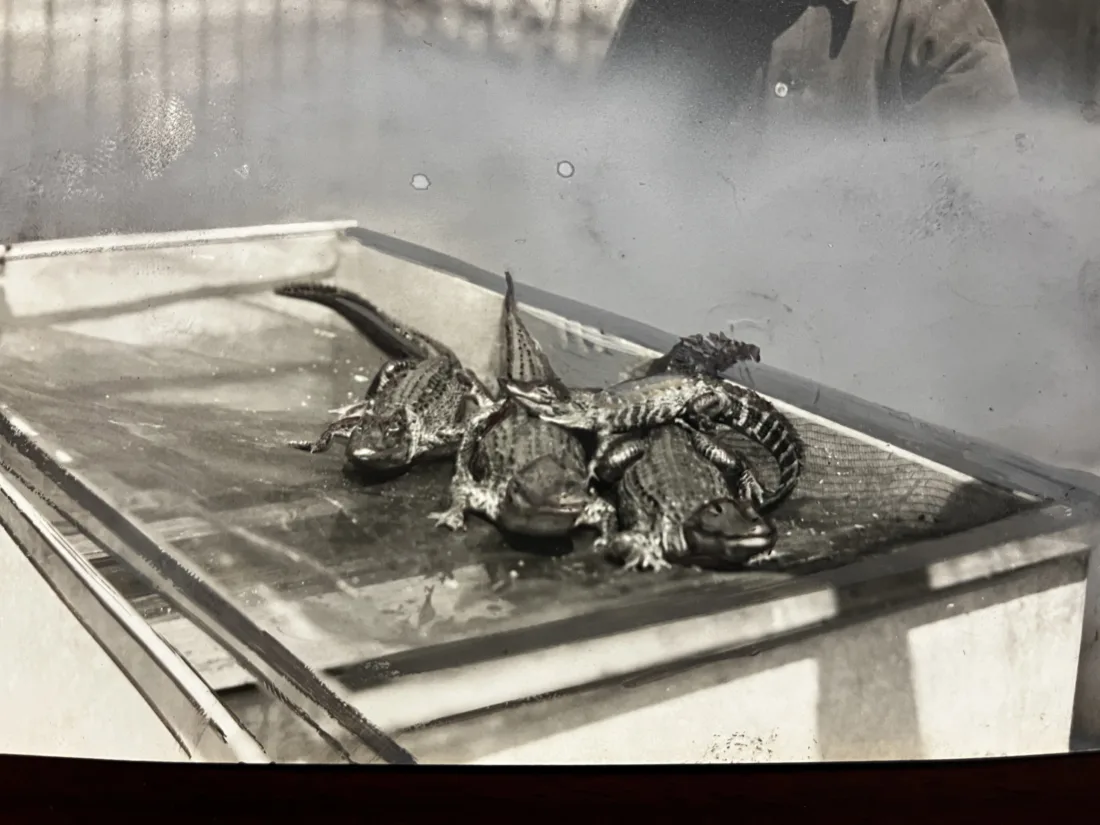
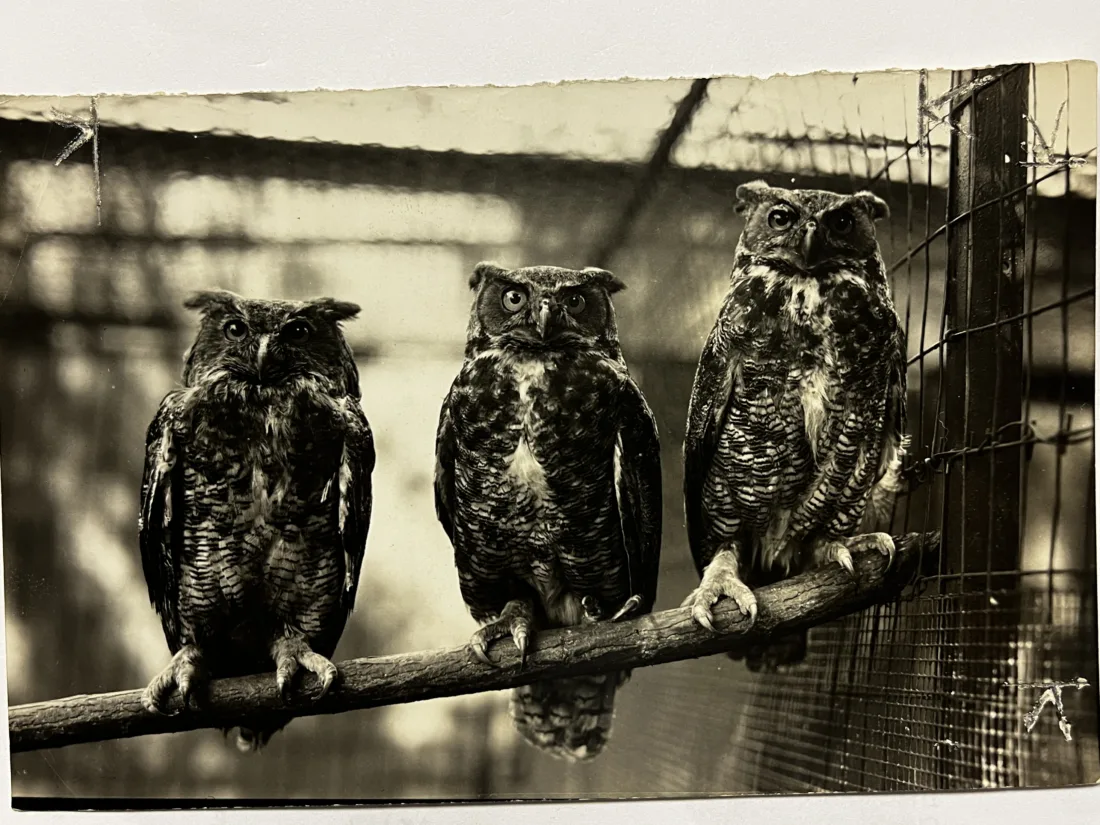
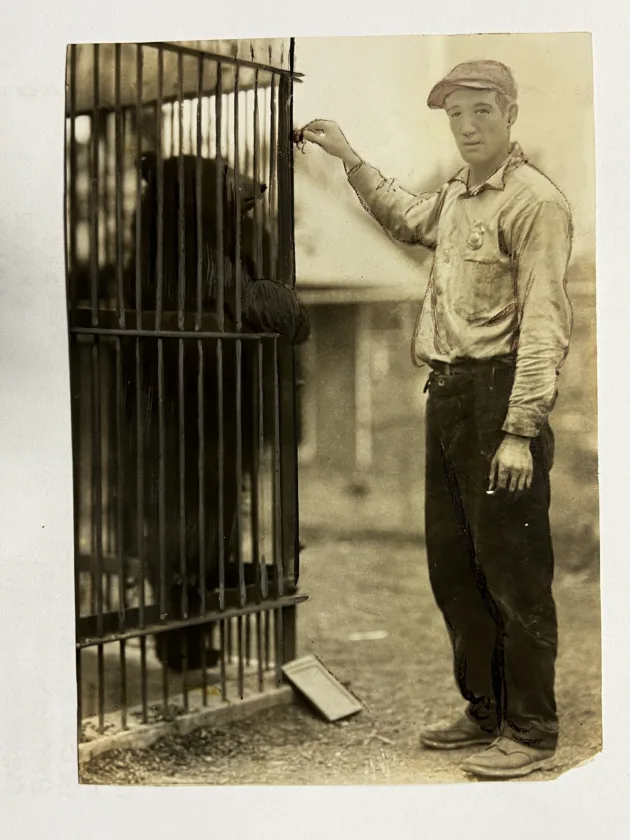
Monkeys, elk, wild pigs, goats, deer, several kinds of bears, a buffalo, a raven, parrots, wolves, jackals, barn owls, goosehawks, rabbits, opossum s, roosters, alligators, turtles, and waterfowl, were a delight to children and adults alike--but mostly to youngsters.
During the winter, the animals that were susceptible to cold weather were kept inside special quarters.
But when the first warm days arrived, usually in April, they were brought outside again, attracting throngs of visitors But it wasn't just a return to warm weather that aroused curiosity. There were new additions to see each spring.
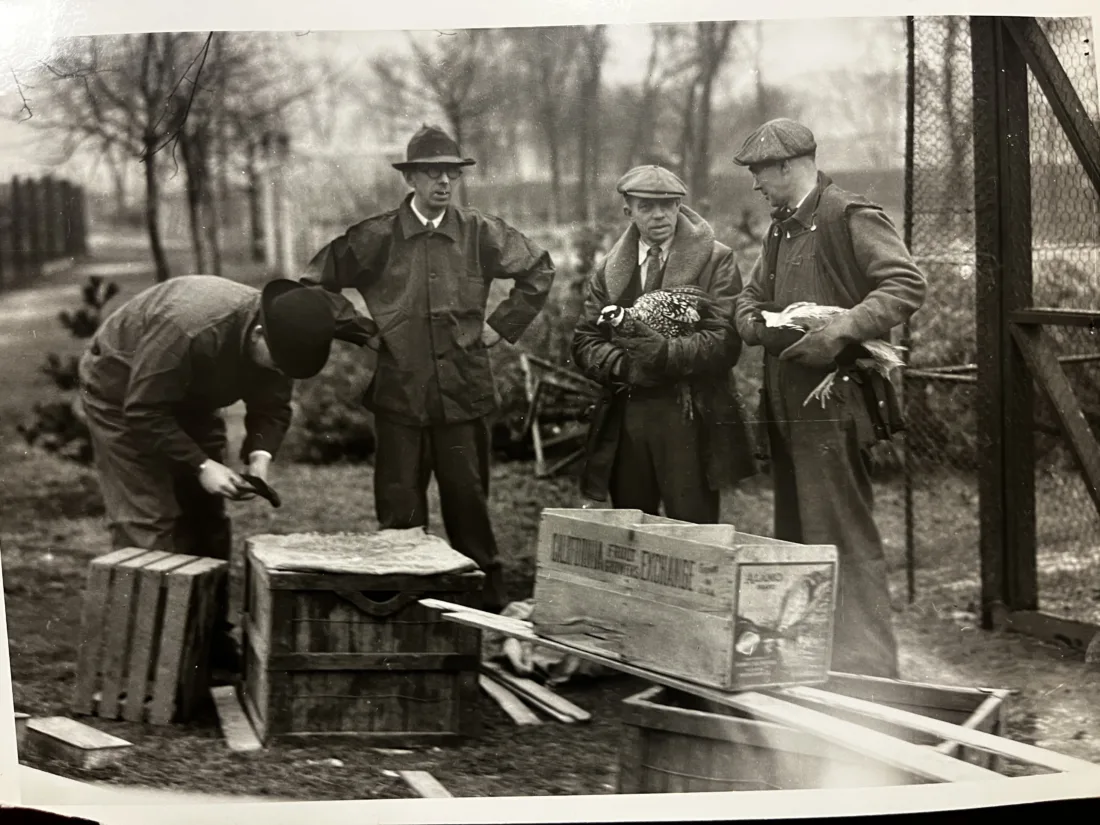
A graceful swan would quietly settle herself on her nest of eggs, while a dove patiently awaited her new arrivals. And for those birds that weren't lucky enough to lay their own eggs, Dr M. Warner would sometimes come to the rescue. Dr.Warner was in charge of the zoo.
During the spring of 1930, he set a hen on 10 ringneck pheasant eggs and five others laid by ducks at the zoo.
Among the new arrivals that year were five guinea pigs and 10 tiny white mice.
Although death would periodically pay a visit to the zoo, the population remained a sizable one for some time. The animals required a significant amount of meat and stale baked goods as feed.
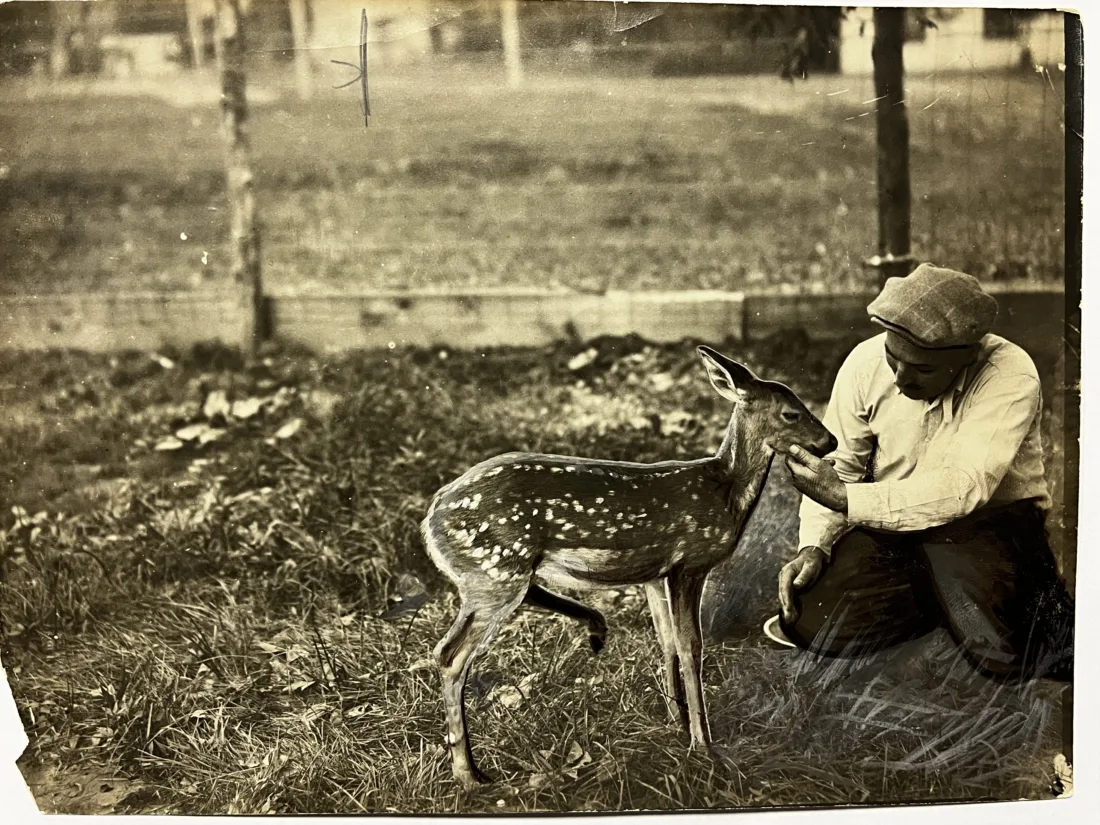
One star attraction during the zoo's rapidly growing years was a three-legged deer--quite shy from contacts with humans and drew a lot of attention.
The animal's left foreleg was off at the shoulder, the result of an amputation It was found in the forest with one leg shattered by a rifle ball.
Despite its handicap, the deer got around rather well--too well, in fact at one point, the doe and two males escaped from their enclosure and enjoyed complete liberty for several hours.
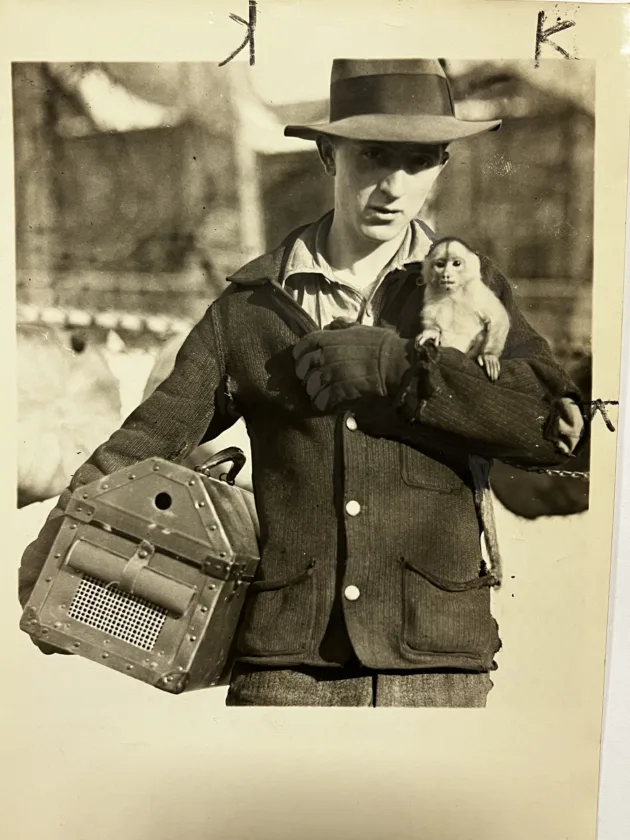
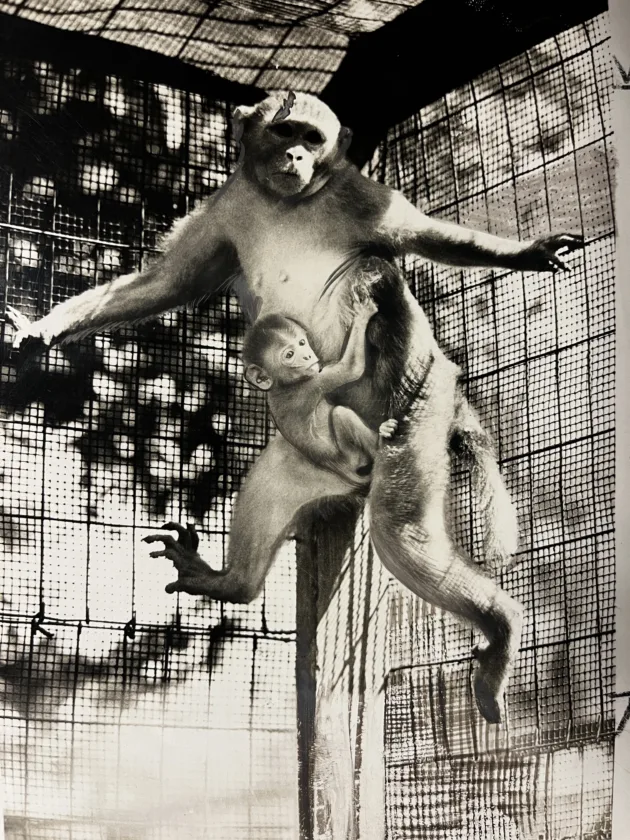
New sections and cages were added periodically to house new attractions. Snookum bears, Canadian lynx, Java monkeys, India monkeys, a baboon, and raccoons joined the menagerie.
The lynx were donated by J. August Beck who received them from an animal dealer at Prince Rupert, British Columbia. When full grown, they weighed about 100 pounds each.
The amusement area at Memorial Park proved to be of great benefit to the zoo.
Children came from miles around to enjoy pony rides, a roller coaster, bumper cars, a merry-go-round, games, and concession stands.
For the adults, there was a tunnel of love, an occasional hot air balloon ascension, and a summer theater. But when most of those attractions were relocated at Sunset Park, Memorial Park no longer had the variety of attractions to interest the throngs of visitors it once did.
In the spring of 1933, there were just a few cages remaining.
The economic status of the city during those years also took its toll on the once-popular zoo. As the animals died off, they just weren't replaced until all that was left was one buffalo.