‘I’m truly a miracle’: Poetry becomes a lifeline for Muncy Place resident living with Parkinson’s
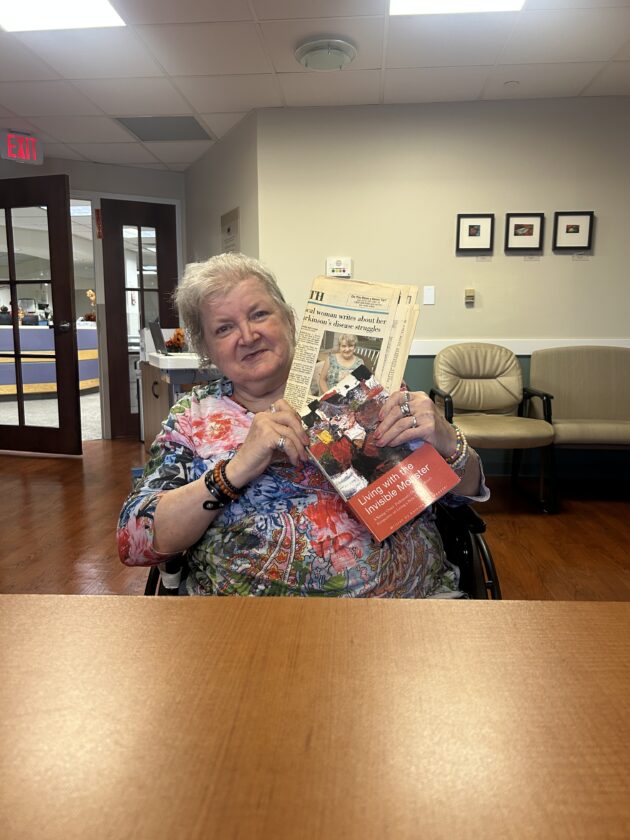
For Kathy Seese, poetry began as a quiet corner of her life, a space to untangle thoughts and breathe. Over the years, that space grew into something essential. Living with Parkinson’s disease for more than three decades, navigating loss, and adjusting to life at Muncy Place, part of UPMC Senior Communities, she discovered that writing offered what little else could: comfort, clarity, and a way to keep moving forward.
“I’ve journaled for years,” Kathy said. “It’s been a way for me to get over anxiety and tension, just to write it all down.”
Diagnosed with Parkinson’s at only 34, she has lived with the disease for half her life. Now 68, she reflects on that journey with striking honesty.
“I’m truly a miracle, a walking, talking miracle,” she said. “I do walk. It’s short distances at a time, but I can walk.”
As her tremors progressed, handwriting became difficult. Kathy eventually shifted from pen to voice-activation software on her laptop, speaking her thoughts when her hands could no longer keep pace. Still, the ritual remains unchanged: a blank page, an idea, and the quiet work of turning emotion into language.
When she moved into a nursing facility a few years ago, poetry evolved from a pastime into a lifeline. The transition was painful, compounded by the sudden loss of her husband, John, last May. Encouraged by her doctor, she kept writing. Poetry helped her navigate overwhelming emotions and offered clarity on days when anxiety loomed.
“It helps me decompress,” she said. “If I’m not allowed to decompress, I become a thorn to myself and everyone around me.”
Long before poetry became part of her personal healing, Kathy spent decades teaching elementary school in Hughesville. She later earned a master’s degree in reading instruction and served as a peer leaders coach, helping teachers support young readers. Poetry found its way into her classroom, too.
“People want rhyming words,” she said. “Even in narrative poems, you sprinkle them in to keep their attention.”
In 2002, the same year she retired, she published Living With an Invisible Monster: A Young Onset Parkinson’s Disease Patient’s Perspective on Living a New Life, a book exploring the emotional reality of Parkinson’s.
“My hope was that people would look at the disabled community, not with pity, but as a challenge to do what you can to help.”
Her own poetry ranges widely, from lighthearted pieces about everyday life, like bingo night, to deeply introspective works about patience, sorrow, and pain.
“Pain comes and goes like the wind,” Kathy said. “I write about that.”
She continues to put her thoughts and feelings into words. Her latest poem reflects on the holiday season, inspired by memories of loved ones and the bittersweetness this time of year often brings.
When Kathy shares her work with others, she watches for their reactions: a smile, a laugh, a tear. Those moments, she says, make her feel connected and understood. And when asked what she hopes readers take from her writing, her answer is simple.
“That they feel a sense they’re not alone,” she said. “I’m a very honest person. People who know me say it’s a vice and a virtue. But I want people to know the truth of what this feels like.”
For Kathy, poetry is a way to make meaning of illness, grief, aging, and constant change. It helps her process stress, accept the challenges that come with getting older, and connect with fellow residents who find comfort in her words.
“If I can put a smile on somebody’s face every day, I’ve done my job,” she said.
Health
‘I’m truly a miracle’: Poetry becomes a lifeline for Muncy Place resident living with Parkinson’s
Williamsport man finds relief through hip replacement at UPMC
Pennsylvania Department of Human Services secretary talks rural health care at summit hosted by Penn College and The Guthrie Clinic
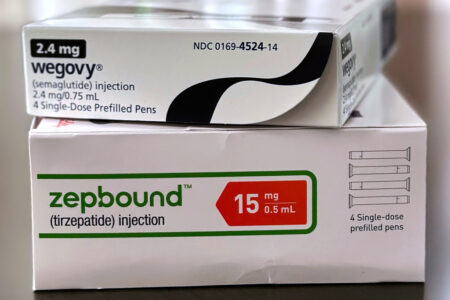
Trump unveils deal to expand coverage and lower costs on obesity drugs

Health care premiums skyrocketing, poll finds 60% Americans “extremely concerned”