
Ephemerals will arrive in local woods this time of the year
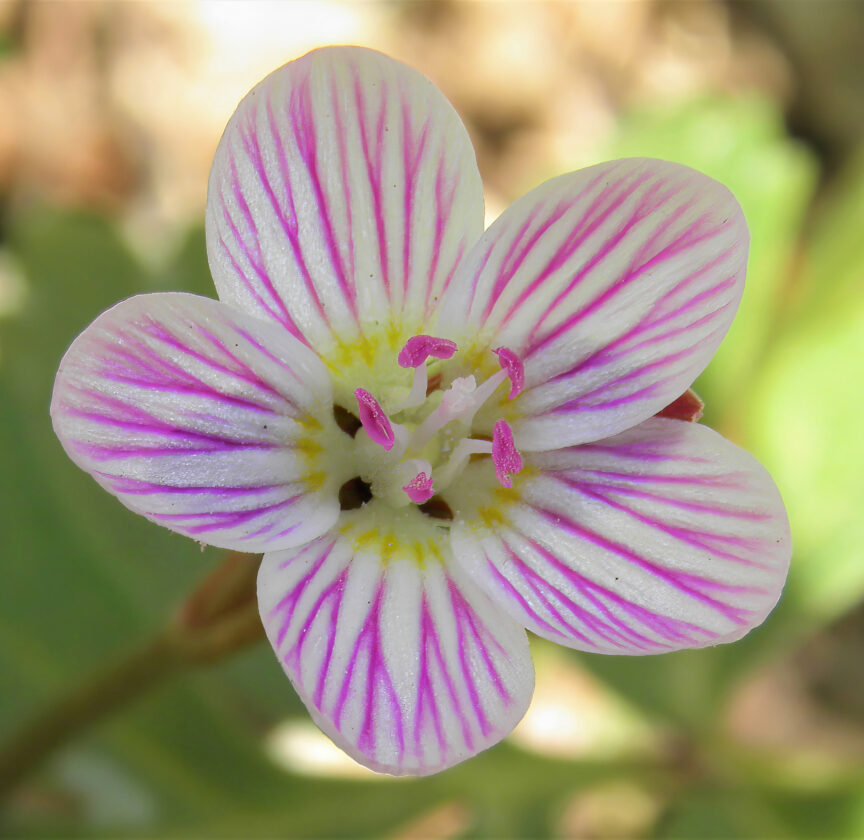
PHOTO PROVIDED Shown is a spring beauty, one of the more common ephemerals, in this photo by Nancy Heintzelman.
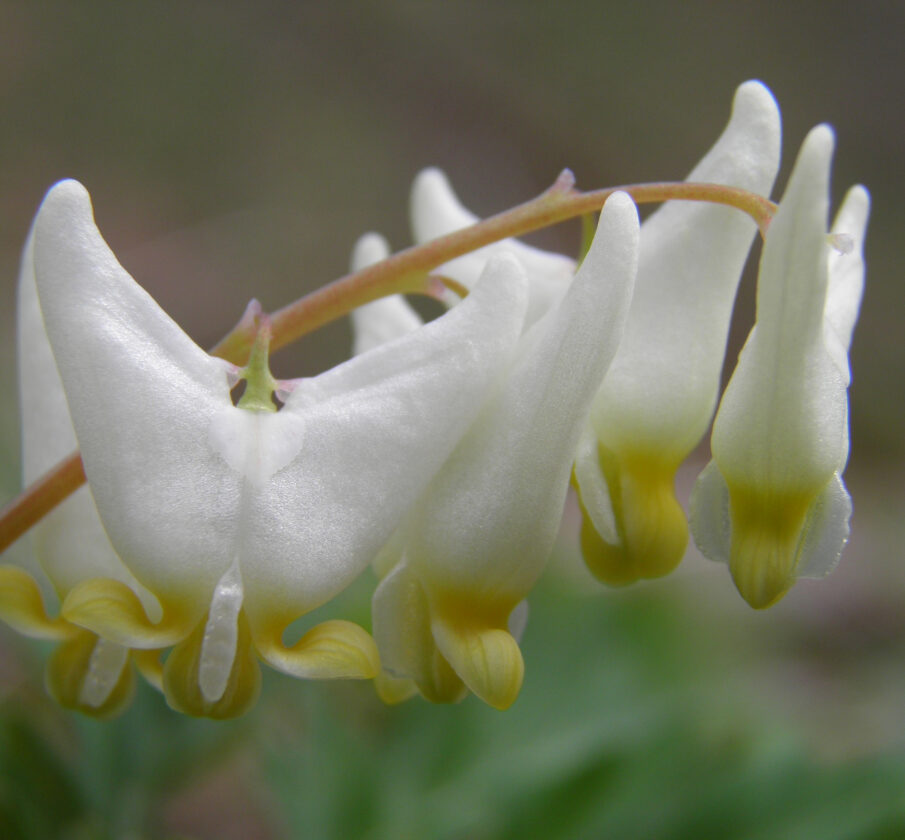
PHOTO PROVIDED Shown is a a dutchman’s breeches, a showy ephemeral, in this photo by Nancy Hornberger. They only get five inches high.
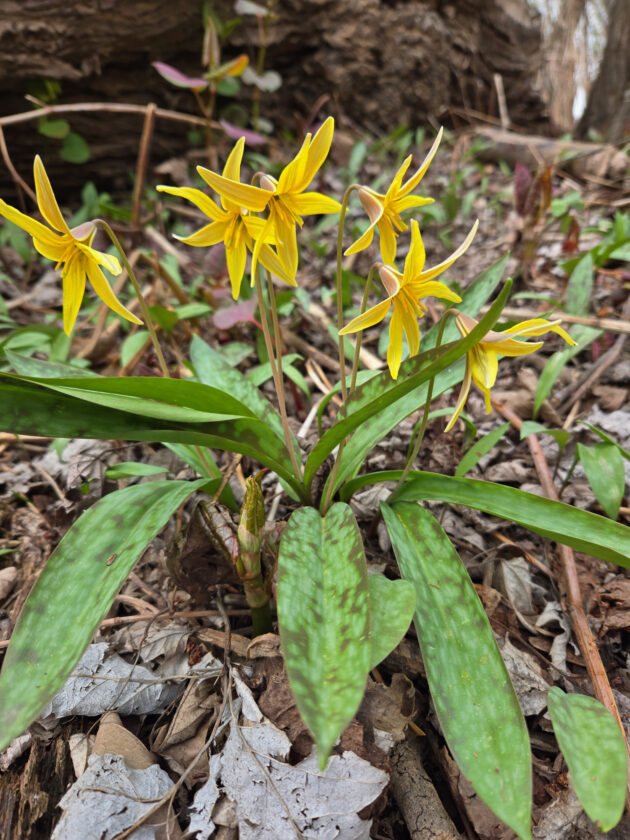
PHOTO PROVIDED Shown is a trout lily in this photo by Nancy Hornberger.
PHOTO PROVIDED Shown is a spring beauty, one of the more common ephemerals, in this photo by Nancy Heintzelman.
PHOTO PROVIDED Shown is a a dutchman’s breeches, a showy ephemeral, in this photo by Nancy Hornberger. They only get five inches high.
PHOTO PROVIDED Shown is a trout lily in this photo by Nancy Hornberger.
Trending
Go into the woods and be willing to bend down to observe closely: Forest magic is unfurling in the form of spring ephemeral (short-lived) wildflowers.
These tiny wonders are at their peak of magnificence right now.
Ephemerals need very early direct spring sunlight before tree canopies leaf out. They grow from underground crowns or rhizomes and can produce such a show because they store food in their tubers over the winter.
Shedding their dead flowers and leaves by late spring allows them to concentrate all their energy into their bulbs for the next spring show. Hence, they are indeed ephemeral.
Spring beauties are one of the more common ephemerals. Each flower is only about half an inch across, but they grow in clumps which makes them easier to see. When viewed closely, the intricacy of the flower is amazing: white or light pink in color with hot pink veins on each petal.
Another showy ephemeral is dutchman's breeches. Only five inches high, these unusually-shaped yellow and white flowers are said to resemble the pantaloon worn by Dutch boys. Or you might be looking at another white flower that looks similar but is called squirrel corn, named because its tubers resemble corn kernels.
Another dazzling ephemeral is the trout lily, its common name deriving from its speckled leaves, reminiscence of spots on trout.
The flower is also magnificent with a vibrant yellow. Trout lilies are somewhat unique in needing to sprout their spotted leaves for many years before gaining enough strength to put forth one glorious flower.
"Trout Flies and Flowers" by Ivan L. Mahoney is a fascinating book that helps fishermen identify the best fly to use based on which ephemerals (as well as other flowers and trees) are blooming.
Experienced fly-fishing friends of mine swear by the accuracy of Mahoney's observations. An example of an ephemeral that Mahoney mentions is trillium which, his research states, correlates with Magic March fly hatches. His book also details and illustrate) the precise flies to tie for each type of fly hatch.
Finally, let's consider bloodroot which also produces a small white flower and one deep-lobed leaf per plant. Its strange common name derives from the red-orange juice produced by breaking the flower stem.
While reading this, please note that you should not pick wildflowers since some of their populations are fragile.
Our rich forests close to Williamsport support many ephemerals, but they are choosy about soil composition and other habitat characteristics. Good places to find them are on the hiking trails at the Water Authority, Mill Street (Montoursville), the old and walkable Skyline Drive Road (past the lookout on Route 15) and Canfield Island (off Route 180 just before Montoursville).
On Mill Street, right now you are likely to see carpets of spring beauties and dutchman's breeches. Canfield Island and Riverfront Park is hosting masses of trout lilies.
Ricketts Glen State Park is another great site for ephemerals. Dr. George Chamuris has created a wall chart in the park's visitor center which documents 15 kinds of ephemeral violets within this one park.
Don't miss the show.