
River Valley Transit Authority created
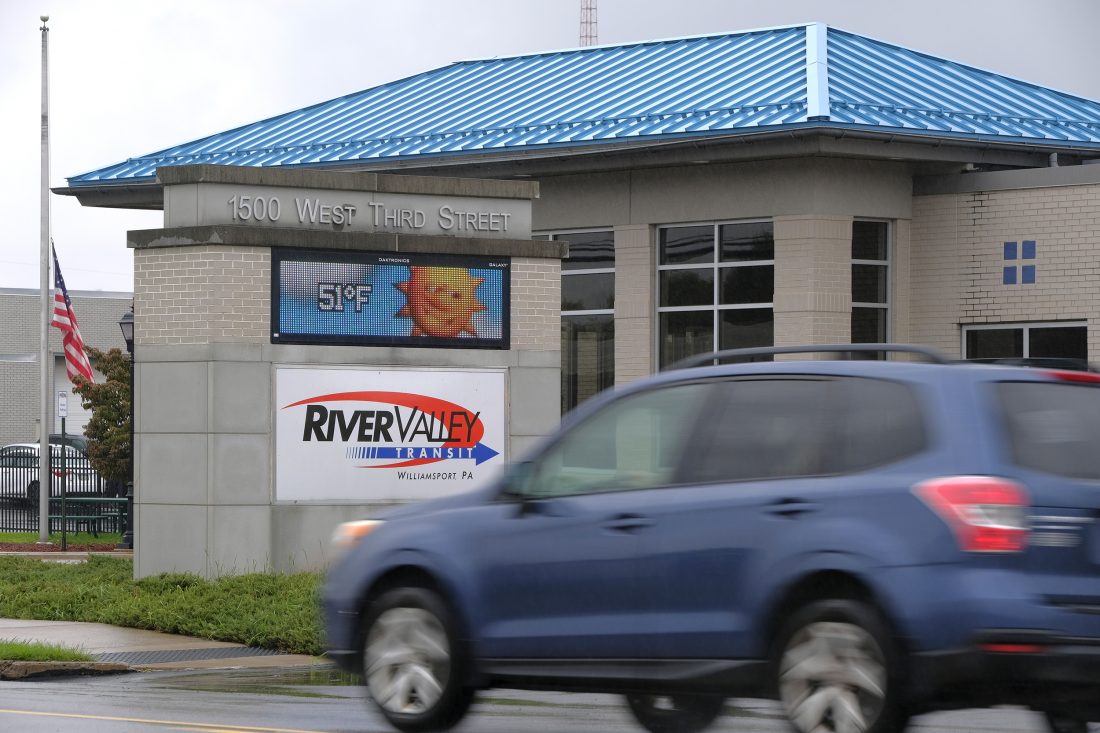
The first step in the creation of an ordinance that transfers River Valley Transit to an authority — to be named River Valley Transit Authority — occurred on Thursday night following a public hearing and vote by Williamsport City Council.
If approved on second reading in two weeks, it will be an authority that is considered by transportation officials at 1550 W. Third St. RVT headquarters to be a work-in-progress.
“We are looking forward,” said Adam Winder, River Valley Transit general manager who acknowledged he’s been open with the employees about his desire to see the authority formation.
The authority, initially, will have a board of five members (placeholders) to be selected by Slaughter, who then will resign their posts once the more permanent members are appointed by the mayor with a review by council, according to Norman Lubin, city solicitor.
The authority, as other authorities overseeing management of water, sanitary and parking matters throughout Williamsport and the region do, is expected to produce the best management practices as the transit service emerges from the challenging years of the COVID-19 pandemic and follows recommendations under Act 44 as provided by the state Department of Transportation, Winder said.
Two years of operating under COVID-19 pandemic and the continuing attorney general investigation “have been stressful,” Winder said.
Attorney General Josh Shapiro began an investigation in 2020 looking at possible mismanagement of state and federal grants from 2009 through 2019.
Recently returned audit reports were adverse and showed a potential shell game occurred of RVT funds.
Winder assured the council and administration, along with employees of River Valley Transit, that the approach moving forward and once enacted in early July will not deviate from existing structures for salaries, promotions and benefits.
Customers won’t see any difference in bus service, and the authority affords an opportunity for further regionalization.
“It also will further separate the issues related to the bus service and the city government operations,” Winder said.
Once the authority is in place, nuts and bolts issues, such as transfer of property and how the authority and transit work administratively will be addressed, according to Jill Nagy, transit solicitor.
“The authority will be created, but it will go live when you are authorized the swearing-in of the officers, and there will be a lot of transfers and agreements between the authority and the city,” Nagy said.
During the public hearing portion of the meeting, Frank Perchinski, president of the Amalgamated Transit Union Local 1496, said he was eager to see the transition to the authority.
It likely will help during union negotiations, with a contract expiring in 2024.
Meanwhile, the proposed end date for River Valley Transit will be June 30, with the authority starting on July 1. It does need a final approval, but the first reading was a 7-0 vote.
Council President Adam Yoder has been a driving force on council to ensure a transit oversight committee was formed in conjunction with leaning toward the authority creation as the best path forward.
The authority is being created at no cost to taxpayers and, in the opinion of Winder and Nagy, will actually result in saving taxpayers and providing expanded bus service by regionalizing and having an opportunity to grow along with taking advantage of existing partnerships with Endless Mountains Transportation Authority and west to State College.
“We have been talking about this for five years,” Councilwoman Liz Miele said of the authority and oversight of transit. “I am sorry we have to do this in such a short timeframe.”
Top News

State trooper killed during vehicle inspection on I-81 in Schuylkill County, driver charged with homicide

Legal battle fails to remove two Muncy Township supervisors

Community celebrates historic bridge reopening in English Center
Williamsport leadership takes early steps to deal with data centers

Disaster declaration aims to help growers after April freeze
Williamsport cooling centers open their doors amid heat wave
With the area under an extreme heat warning from noon today to 8 p.m. Friday and temperatures expected to reach ...