
Trending
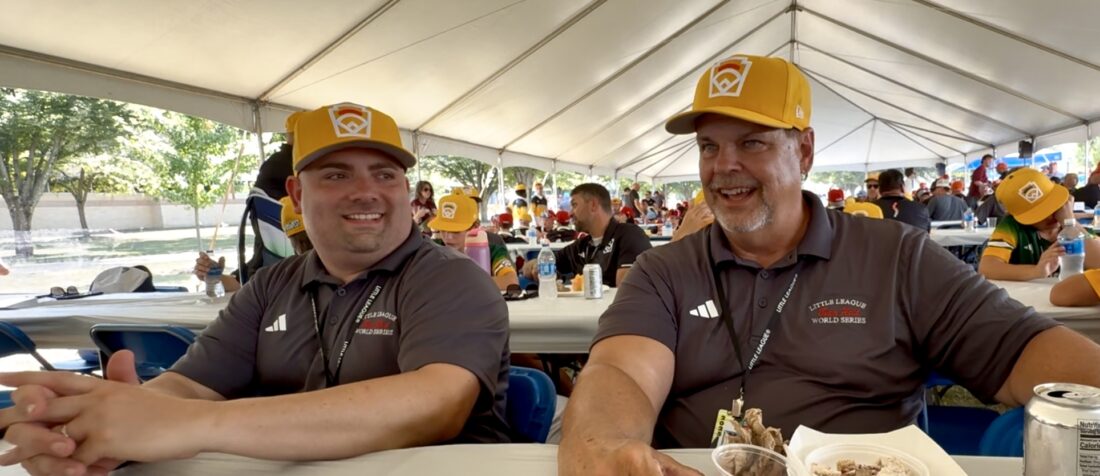
For many Little League Baseball World Series squads, the "uncle" represents the backbone of their teams off of the diamond.
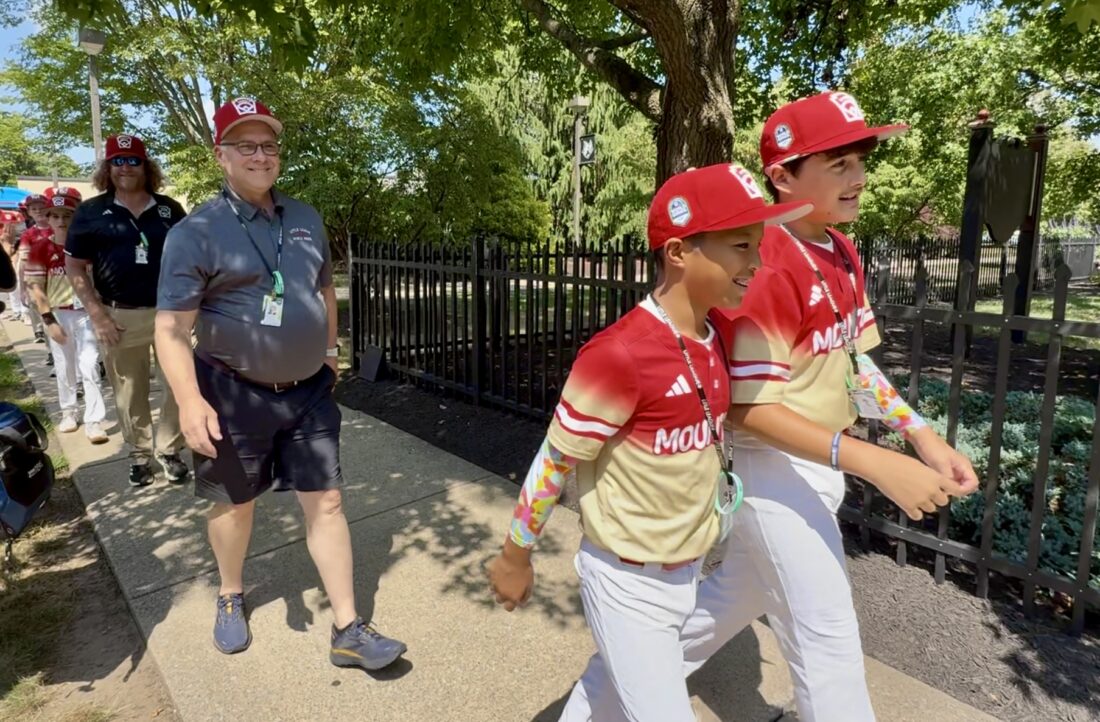
Separated from the playing field, the duty of an uncle -- now officially known by Little League's leadership as team hosts -- during the event is to provide a connection and another adult during the most exciting and tumultuous moment in the athletes' lives.
Not only are these uncles vital in traversing through the anxiety-riddling week and a half, but they provide a valuable connection where the kids, many of whom travel with just their team, can feel like a
parent is in their presence.
"We are really a sort of a surrogate parent for the kids when they are here," said Ron Frick, president and CEO of United Way of North Central Pennsylvania and a longtime uncle for Little League teams.
"All of the things that they have to do during the day with ESPN and Adidas and lunches and all of the media kinds of things that you guys are working on," he said. "All of those things get coordinated, and most of it gets coordinated by the uncles. We get a schedule from Little League in the morning, usually even the night before, and we work at making sure the kids get where they need to be. From 7 in the morning, usually until how late a game could be... [we do] pretty much anything the team needs."
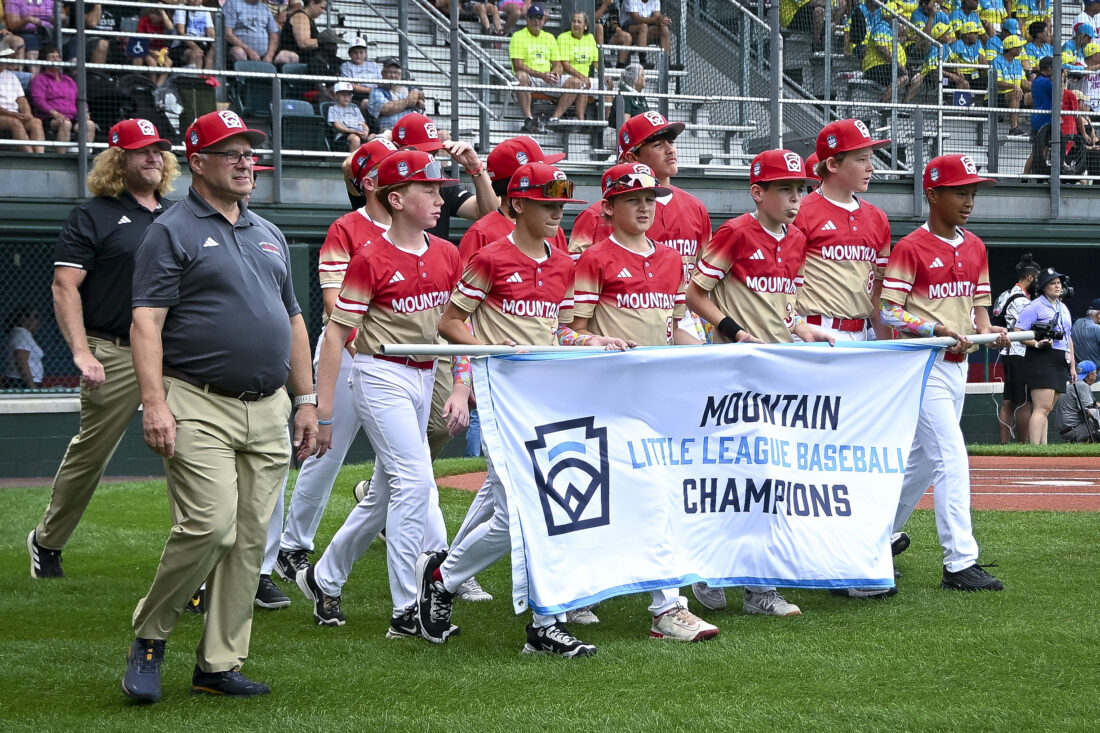
Frick, who is not a stranger to the responsibility, has been the uncle of nearly every Little League World Series team, both national and international, that has found their way into Williamsport. This season, the United Way CEO is the uncle for the Mountain Region.
Most teams have multiple uncles to help navigate through the hectic week.
An example of which is the Southwest Regional team composed of Richmond, Texas Little Leaguers. This year, the squad is maintained by Scott Metzger, Chairman of the Lycoming County Commissioners and 16 year uncle for the event; and Joe Hamm, a first year uncle who's a member of the Pennsylvania House of Representatives.
"It's awesome," discussed Metzger. "It's a great opportunity to give back and make this an amazing event for these 12 year olds. A lifetime experience."
"I've always served in my community in one way or another," added Hamm. "When the opportunity comes forward to give back in another way to my community and be able to be around our kids, they are our future; So to be able to have this opportunity with them was hard to pass up. I was very excited to do so."
Of course, in becoming a pseudo-parent for a team for multiple weeks, it's hard to stay neutral when the time comes for the kids to perform at Lamade or Volunteer.
"Oh, we root for them," Frick discussed. "These are our kids for two weeks. We get them when they get off the bus and we give them a hug and take pictures when we put them back on the bus at the end of the week."
While the two week event can come and go, one thing that rarely leaves is the connections that are left between the kids and the uncles who supported them across one of the more unique journeys a kid in amateur sports can have.
"[It's] the connections," Frick admitted when asked what he gets most out of being an uncle for so long. "I love to network. I do it as part of my job. I've always done it. I love to meet different people. I have kids that I had back in 2004 that played for a team from Thousand Oaks, California. They are old enough to be through college and have their own kids. We get all kinds of invitations to things. It's 22 years of building relationships with kids."