‘If we don’t take care of it, it’s not going to be there’: Good Samaritan Wildlife Center mixes action with education
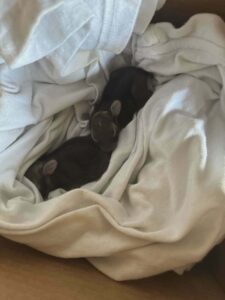
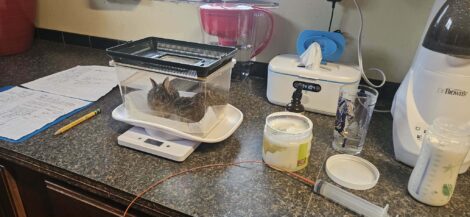
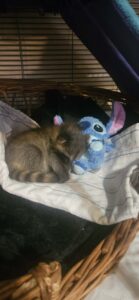
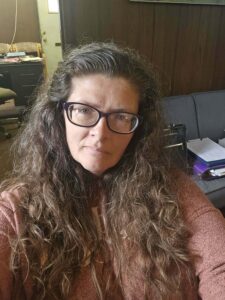
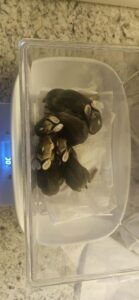
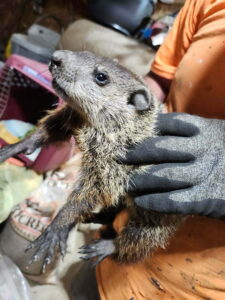
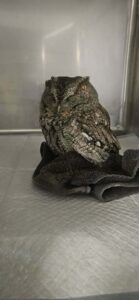
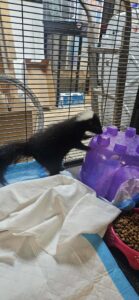
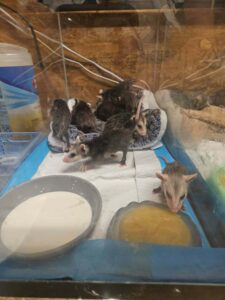
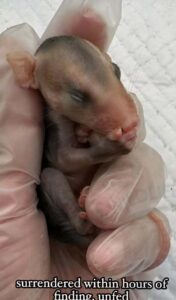
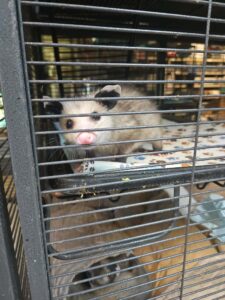
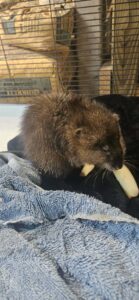
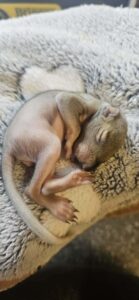
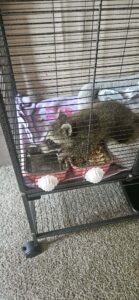
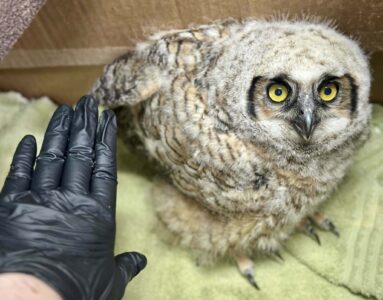
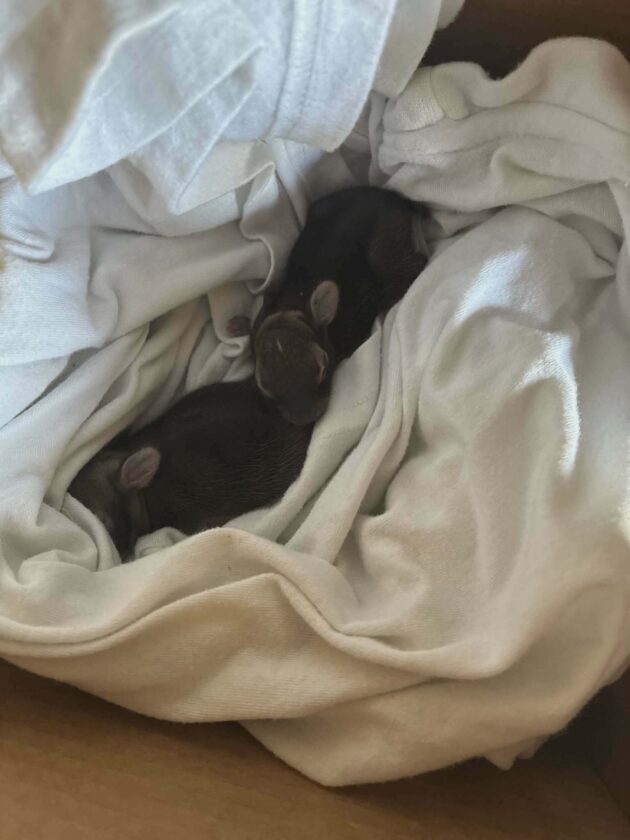
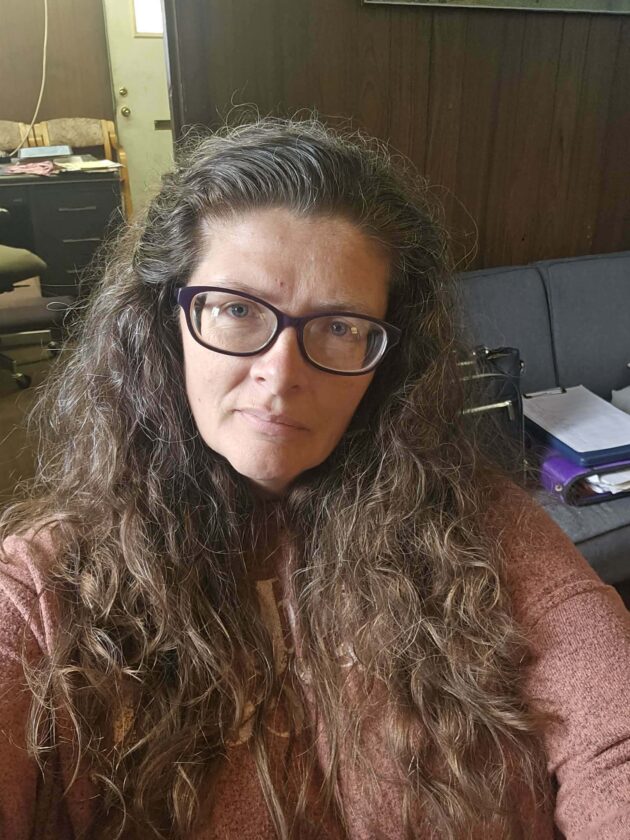
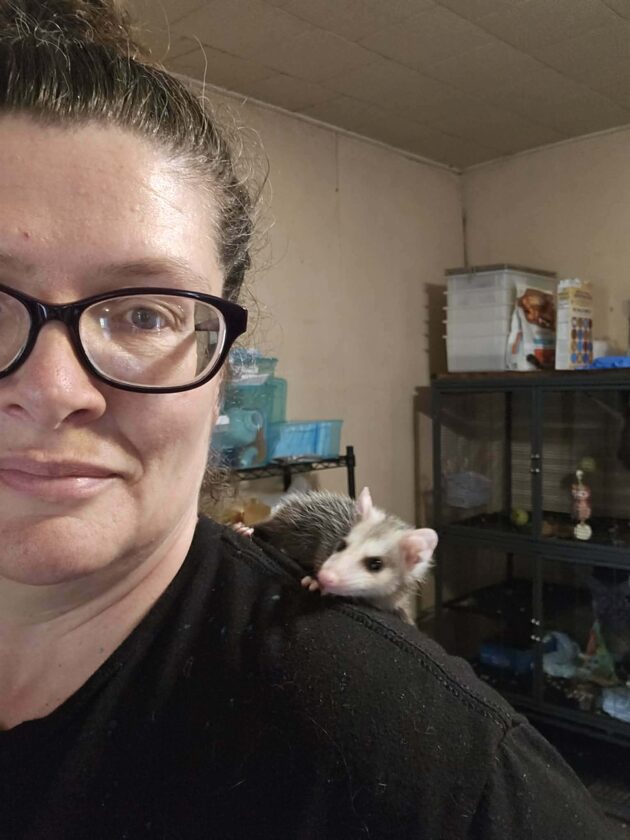
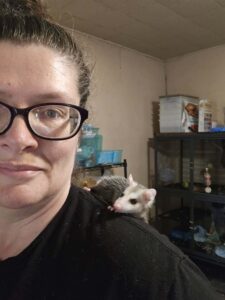
Amie Palmer has always had a natural instinct when it comes to caring for animals, and now as the proprietor of Good Samaritan Wildlife Center, 304 S. Pine Run Road, Linden, she’s using that natural intuition not only to help often helpless animals, but to also educate the community.
“I started out as a pet sitter, and I’ve always had people bring oddball things to me to rescue, so my love for animals started a long time ago,” Palmer said.
As a matter of fact, Palmer’s husband would often refer to her as “Doctor Doolittle” due to the presence of a variety of animals within her apartment.
“I have a pig in my backyard right now because it fell out of a truck along the highway in State College on its way to slaughter, and it got road rash, so now she lives in my backyard,” she said.
After discovering that Lycoming County, nor any of the surrounding counties, had not had a rehabber credentialed through the state Game Commission in 27 years, Palmer decided to solve that problem herself.
“From Williamsport, our next closest is Centre Wildlife Care, which is near State College,” she said, adding that much of her education on the subject came from that center’s founder Robyn Graboski.
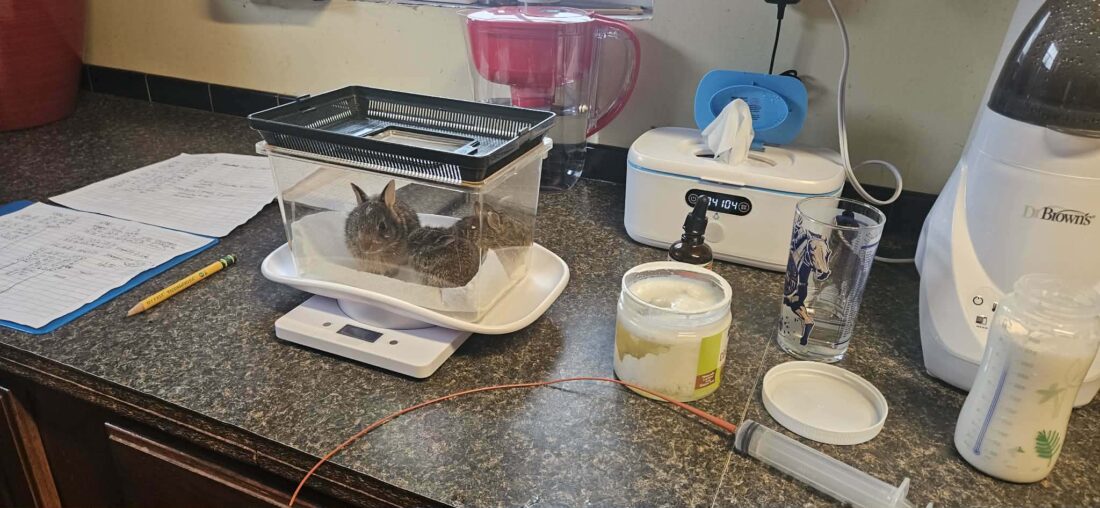
After nearly three years of volunteering and learning, Palmer currently has her novice permit, allowing her to begin setting up outside facilities, and is able to take in animals as far north as the New York state border.
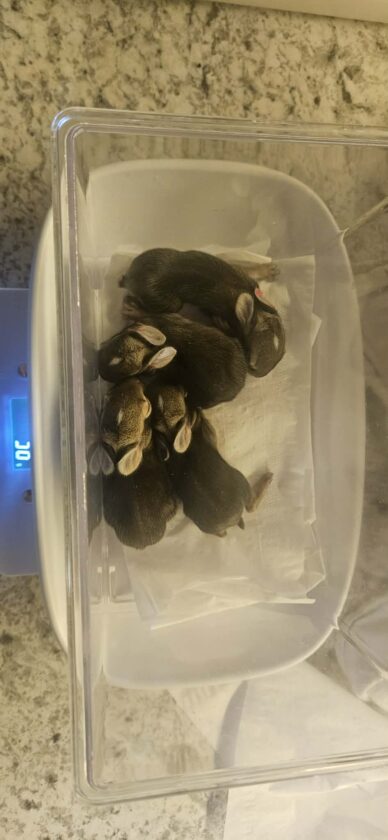
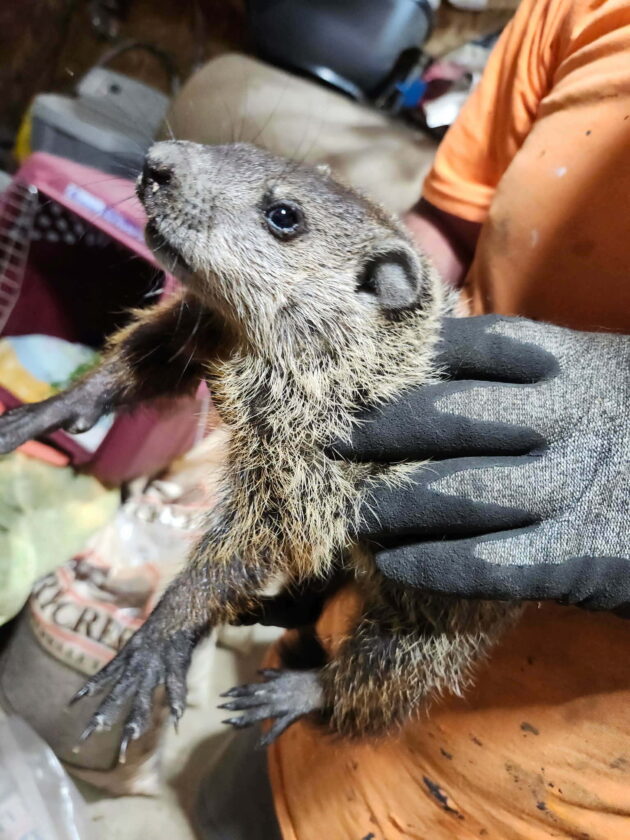
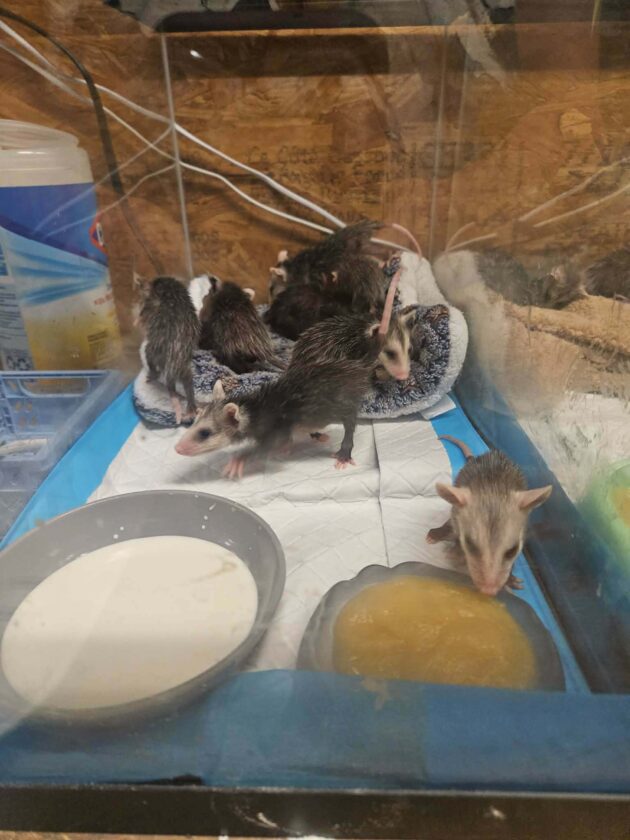
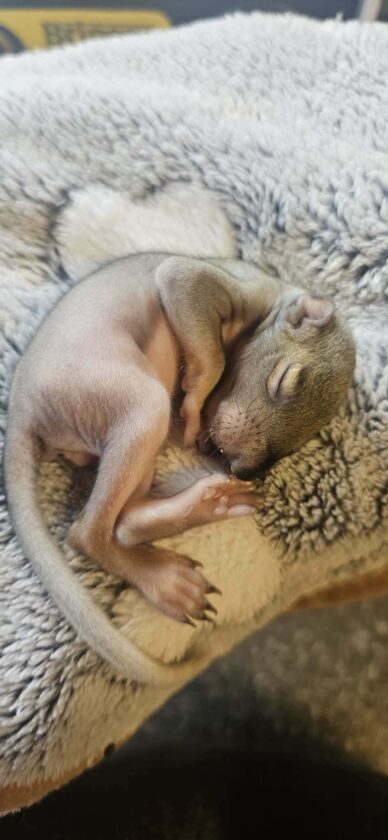
“Through my permit right now I take in basic mammals that don’t get rabies. So that would be squirrels, possums and rabbits. I am also permitted for capture and transport, so the Game Commission and the other rehabbers can use me as a waypoint, where they can bring something, I can get it stabilized, and then it can travel on to where it needs to go,” she explained.
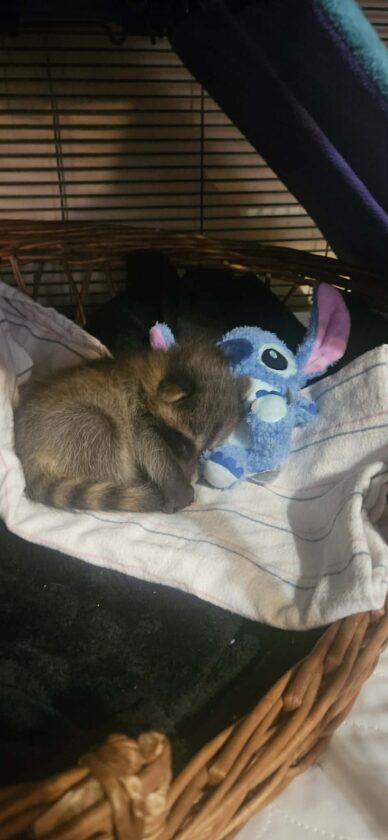
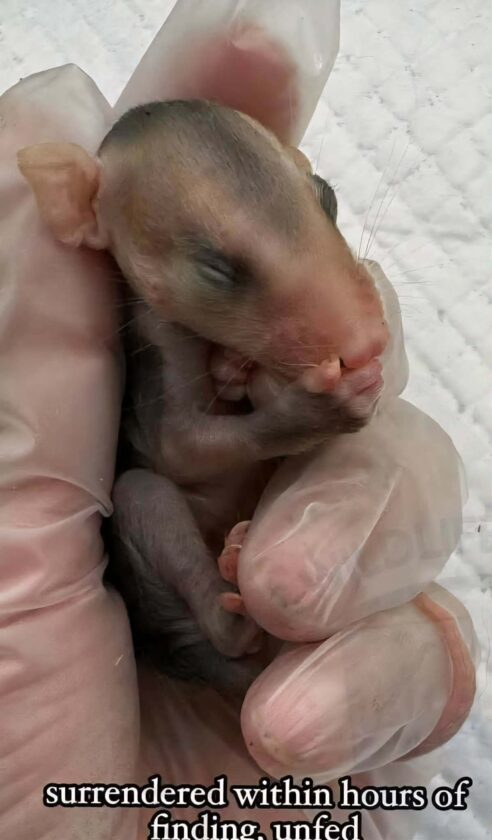
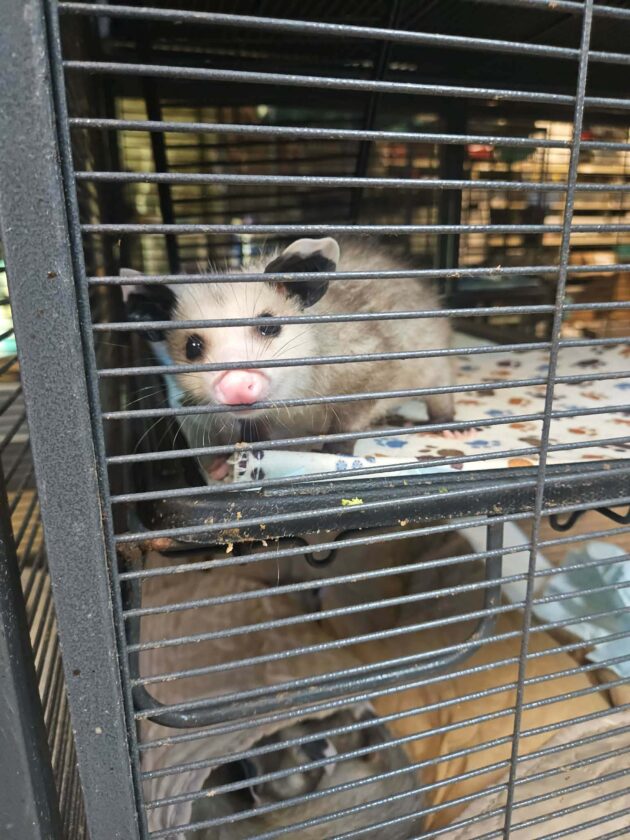
Just last year, Palmer released 60 possums, 12 raccoons and countless rabbits and squirrels, she said.
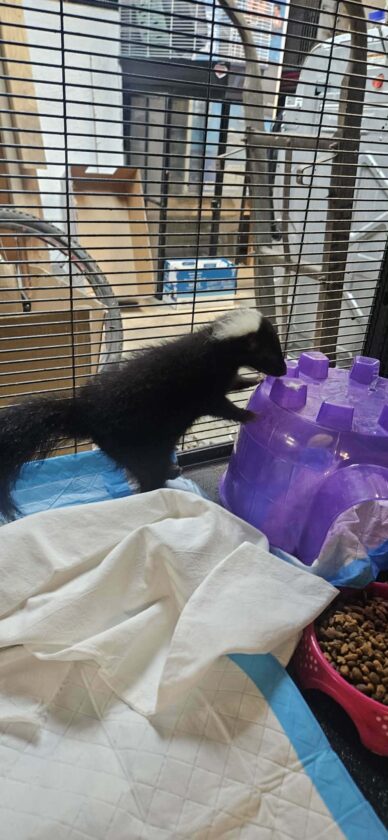
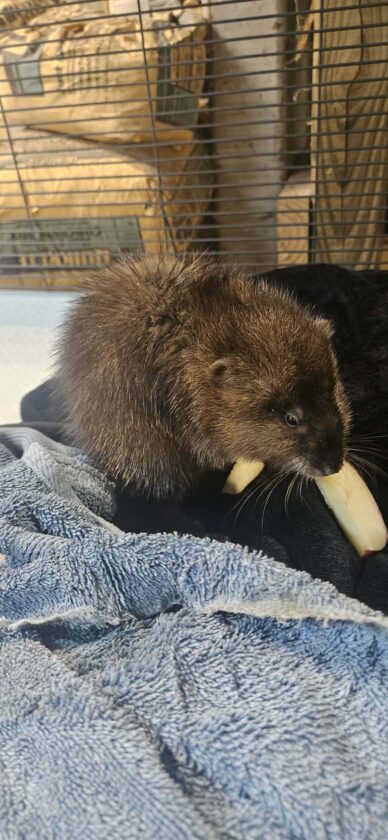
“I’m also sub-permitted through Red Creek Wildlife Center to take in rabies-vector animals, such as raccoons and skunks,” she said, adding that many of these animals undergo immunization against the disease before being released.
Palmer has seen strong support from the public, as well as community partners.
“The Game Commission are all for rehabbers getting something going because they would rather bring animals to us to rehabilitate and release, because other than endangered species, anything that is a rabies species, no matter what, they have to euthanize them,” she said.
“I also have a contract with Lewis Veterinary Clinic to get my medicine for different animals, and I work with a traveling vet, named Amanda Paulhamaus, who administers rabies shots for me,” Palmer said.
Rehabilitation for animals is only one part of Palmer’s objective, while keeping the public informed plays a critical role in her work, she said.
“Education is a key to not only our wildlife, but our domestic animals, as well. And we’ve really lost touch with educating on animals,” she said, noting the continuing problem of feral cats.
“The sad part is that diseases from these feral cats are spreading into our wildlife. You’re setting food out to feed these cats, and you’re drawing in the wildlife, because they see free food,” she explained, adding that any animal that has had confrontation with a cat’s mouth will need to go to rehab and get put on amoxicillin, because cats carry a bacteria in their saliva that causes infection on the skin of animals.
Another tidbit Palmer would like the public to know is that skunks typically only spray out of self-preservation.
“They’re more afraid of you than you are of them, and it takes about 10 days for it to recoup its spray, meaning that for 10 days, it’s unprotected, so they don’t want to do that unless it’s life or death,” she said.
Palmer hopes that her efforts spur others to take action to give back to nature.
“If we don’t take care of it, it’s not going to be there. There are animals that have gone extinct because of not being taken care of, there are invasive species because people are out there dumping unwanted animals where they’re not meant to be,” she said.
Although currently working out of her basement, Palmer has plans for a 15-acre property in Linden where rehabilitated animals go before being released back into the wild, away from nearby homes.
Palmer envisions a fully developed complex to work from on that property when funds allow, where she hopes to have student volunteers get hands on training of the do’s and don’ts involved in taking care of wildlife.
“I just feel like I’m at a point in my life where I want to do my part, and I want to open a doorway for other people to see that they can do something too,” she said.
“I want to help people get that experience. It’s one thing to learn from a book, it’s another thing completely to actually do it,” Palmer said, adding that she encourages anyone interested in volunteering to submit a resume to goodsamaritanwildlife@gmail.com.
“My volunteers go through a background check and have to have their rabies shots. They go through a class held at Centre Wildlife, and they get a certificate, certifying they got their rabies shots,” she said.
With no state or federal funding available to help continue her expansion, Palmer’s operation has been made possible through a combination of her own funds and generous donations.
“I have everything going as planned, and now it’s fundraising so I can get my additional permits,” she said.
“People can mail in checks made out to Good Samaritan Wildlife, and if there’s something specific they want that money to go to, just put it in the memo. I also have Venmo and PayPal, and I have an Amazon wish list with cleaning supplies,” Palmer said.
Donations can also be made directly to Good Samaritan’s accounts at Journey Bank or Lewis Veterinary Clinic, she said.
And while remaining anonymous is always an option, Palmer encourages those giving to let their generosity be known.
“We need it. Lycoming County needs it. Our community, the surrounding communities need it,” she said.
Anyone who comes across an animal in need of help is encouraged to reach out to Palmer via call or text message to 570-447-2785.
To learn more about Good Samaritan Wildlife, visit their website, www.goodsamaritanwildlife.com or Facebook page.
Top News

Sign-ups open for this year’s Soap Box Derby
Oil, gas prices rise sharply throughout the region
Prices for regular gasoline at pumps in Muncy-Williamsport locations were either just below or rising above the $3 ...
Rep. Joe Hamm proposes bill to end emissions testing in Lycoming County
‘If we don’t take care of it, it’s not going to be there’: Good Samaritan Wildlife Center mixes action with education

Israel steps up airstrikes in Tehran, as Iran widens its response across the region