
A look at fishing with your grandfather’s fly-fishing rod
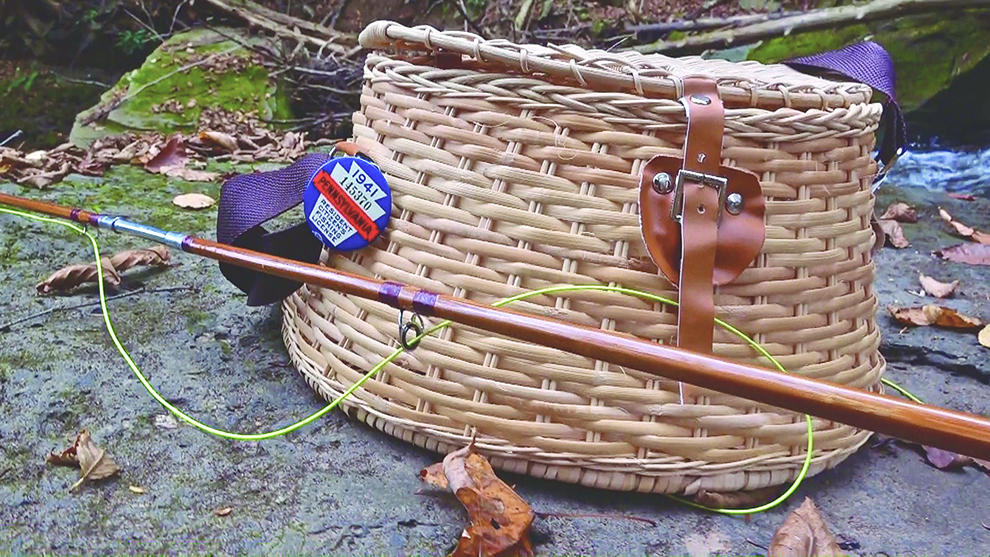
PHOTO PROVIDED George Kolb’s bamboo fly rod is shown restored by his son John in this photo.
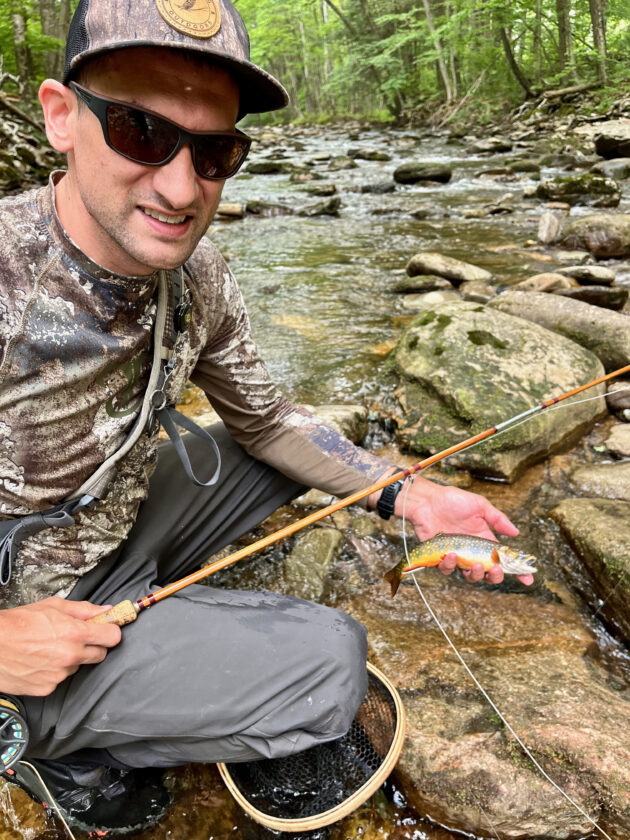
PHOTO PROVIDED John Kolb poses with a brook trout he caught using his grandfather’s rod.
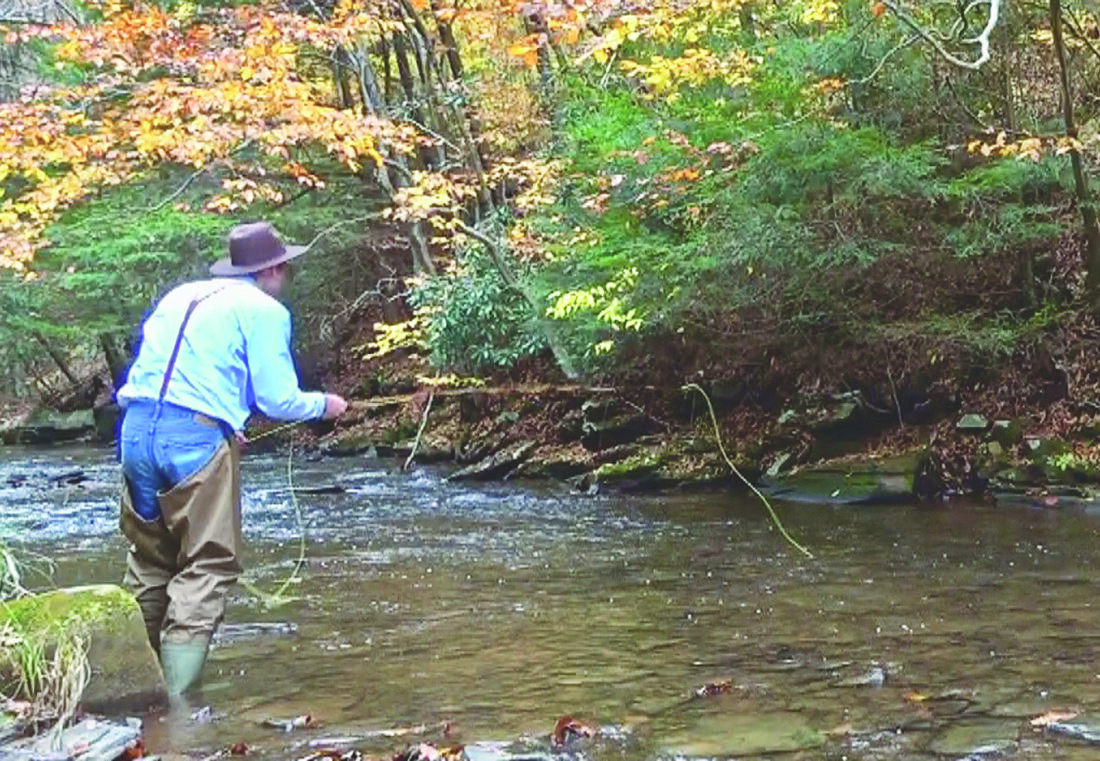
PHOTO PROVIDED John Kolb is shown fishing with his grandfather’s fly rod.
PHOTO PROVIDED George Kolb’s bamboo fly rod is shown restored by his son John in this photo.
PHOTO PROVIDED John Kolb poses with a brook trout he caught using his grandfather’s rod.
PHOTO PROVIDED John Kolb is shown fishing with his grandfather’s fly rod.
Trending
So your grandfather's or father's or uncle's old bamboo fly rod has been passed on to you. What do you do with it?
If you ask a fly fisherman what he thinks about bamboo fly rods, he is likely to respond that they look nice hanging over the mantel, but are too heavy, fragile and floppy to actually fish with.
Fly rods in the early to mid 1900s were mainly made of six strips of split bamboo glued together, which were substantially replaced by progressively lighter rods made of fiberglass and graphite. Many of the old blue-collar bamboo fly rods were indeed long and limber, best for fishing with live minnows or imitating emerging aquatic insects with wet flies during a hatch.
Yet, other lighter and stiffer split cane rods are well suited for modern dry fly and nymph casting techniques.
Sure, you can use the rod to decorate your man cave or she shed along with a vintage wicker creel and wooden net. However you might want to consider fishing with it.
The standard bamboo trout rod used a six weight fly line, substantially heavier than the three or four weight rods in vogue today. When streams were low and clear, old timers cast from farther off and lengthened their leader to be stealthy.
A five or six weight rod is more versatile than a specialized light line rod, enabling you to cast a range of flies during varying stream and weather conditions.
Bamboo fly rods are durable if properly cared for. Classic rods have survived the test of time as antique rod dealer Martin Keane stated.
John Kolb, a financial advisor for Hudock Capital in Williamsport, restored his grandfather's fishing rod. George Kolb died at the young age of 61, never meeting his grandson. John's father passed down the rod and lots of good fishing stories to him.
John posted a heartwarming video "My Grandfather's Fly Rod" on his YouTube Suffering Outdoors channel. He shows how he restored the 1940s Kingfisher bamboo fly rod and took it fishing to honor his grandfather. John didn't tell his father that he had restored the rod before he showed him the video and his father was moved to tears.
John had never restored a rod before but got tips from late rod builder Bill O'Connor, former owner of E. Hille Anglers Supply House, and learned simple techniques from watching YouTube videos and other online resources.
Old bamboo rods may need maintenance before fishing. First, assess the condition of the ferrules (the metal parts that connect the rod sections). Do the ferrules fit together snugly? You may need to clean them before they will fully seat -- do not force them together.
Assemble the rod and flex it. You will hear or feel a click if the ferrules are loose. Metal ferrules may need to be re-glued if they are not tight to the cane, or replaced if they are cracked. A few strokes of candle wax on the male ferrule can sometimes tighten up a loose ferrule fit.
Visually inspect the entire rod blank for cracks, and confirm it by running your fingers over the length of the rod. Inspect the thread wraps to make sure they are tight, and the guides for line grooves. Replace if necessary.
The varnish on the wraps and shaft may need to be touched up or stripped off and redone. More extensive repairs or restoration of a valuable rod from a famous maker should probably be left to a professional restorer.
You will notice subtle characteristics about the rod while you are working on it, such as whether the former owner was a left-hander -- in which case there may be a leftward curve in the bamboo rod tip from casting -- or a downward curve from catching a large fish. A moderate curve, or set, does not affect the casting action. A soiled grip, rewrapped guides, or even a well-executed hook dig repair wrap will no longer be flaws but become badges of honor that add character.
Maybe your grandfather's old rod has earned a resting spot over the mantel, but you might want to fix it up, and give it a try. Those old timers knew what they were doing.