
Fun aboard the Hiawatha: Floating Classrooms set for summer
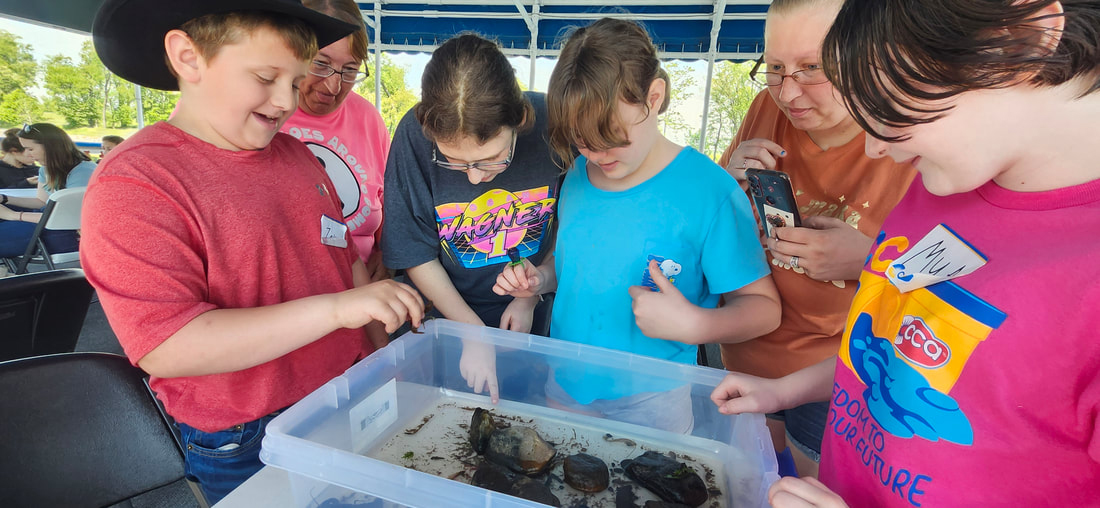
PHOTO PROVIDED Students from the Commonwealth Cyber Academy look at salamanders aboard a floating classroom on the Hiawatha in late May. Numerous floating classrooms are scheduled for this year, starting in June.
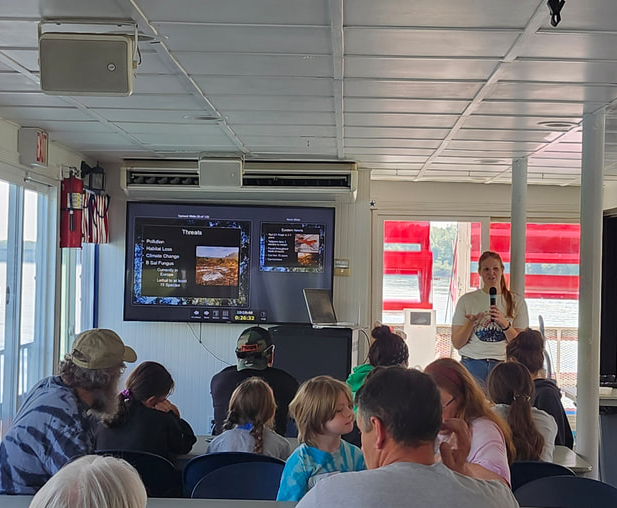
PHOTO PROVIDED Students and parents from the Commonwealth Cyber Academy listen to a presentation aboard a floating classroom led by Kathryn Allen in late May. Numerous floating classrooms are scheduled for this year, starting in June.
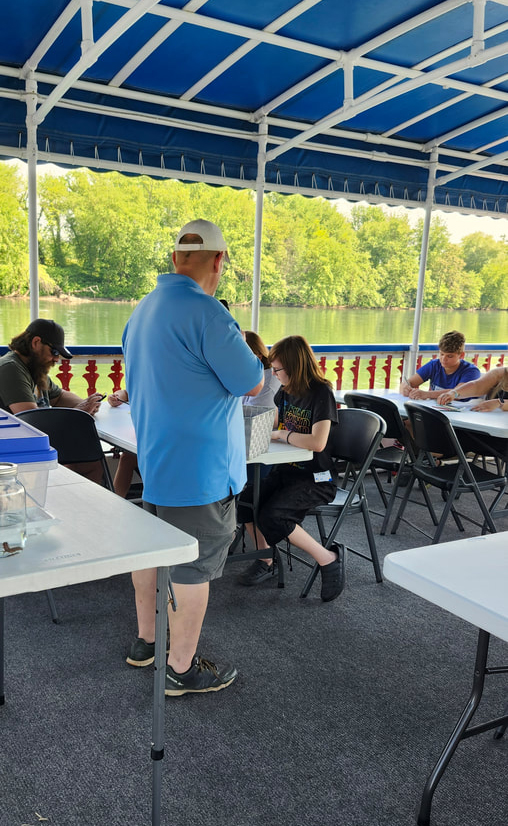
PHOTO PROVIDED Students and parents from the Commonwealth Cyber Academy listen to a presentation aboard a floating classroom led by Middle Susquehanna Riverkeeper John Zaktansky in late May. Numerous floating classrooms are scheduled for this year, starting in June.
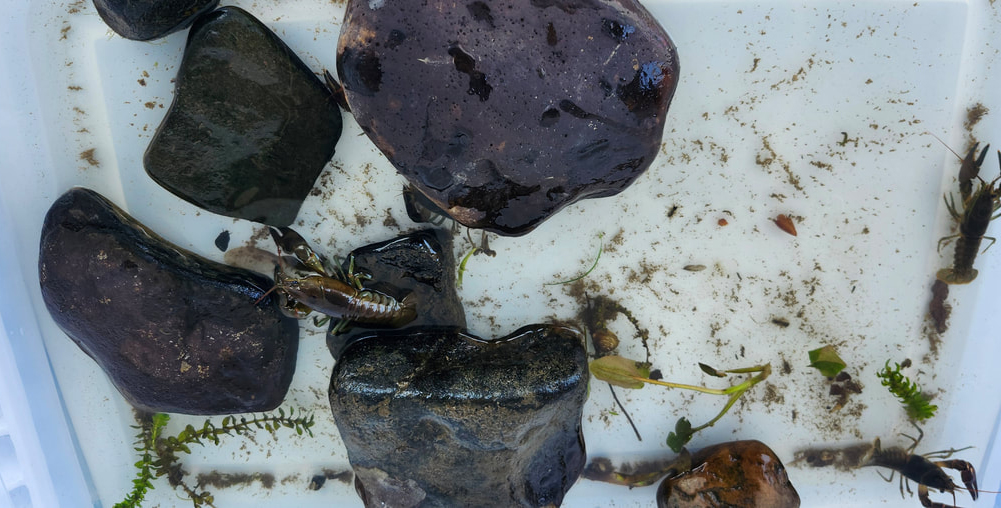
PHOTO PROVIDED Crayfish are shown in an enclosure during a floating classroom on the Hiawatha in late May. Numerous floating classrooms are scheduled for this year, starting in June.
PHOTO PROVIDED Students from the Commonwealth Cyber Academy look at salamanders aboard a floating classroom on the Hiawatha in late May. Numerous floating classrooms are scheduled for this year, starting in June.
PHOTO PROVIDED Students and parents from the Commonwealth Cyber Academy listen to a presentation aboard a floating classroom led by Kathryn Allen in late May. Numerous floating classrooms are scheduled for this year, starting in June.
PHOTO PROVIDED Students and parents from the Commonwealth Cyber Academy listen to a presentation aboard a floating classroom led by Middle Susquehanna Riverkeeper John Zaktansky in late May. Numerous floating classrooms are scheduled for this year, starting in June.
PHOTO PROVIDED Crayfish are shown in an enclosure during a floating classroom on the Hiawatha in late May. Numerous floating classrooms are scheduled for this year, starting in June.
Trending
The Commonwealth Cyber Academy held a special floating classroom aboard the Hiawatha Paddleboat near Williamsport in late May, conducted by the Middle Susquehanna Riverkeeper Association.
The program acted as the kickoff for the group's summer floating classroom season, where people learn about river-related topics while cruising the West Branch of the Susquehanna River in the Hiawatha.
Kathryn Allen led the lower-level presentation with an overview on salamanders, with a few live specimens on board. The upper-level session was led by Middle Susquehanna Riverkeeper John Zaktansky, who offered an overview on macroinvertebrates as clean water indicators with a hands-on macro exploration opportunity and bug coloring activity sheet.
Numerous floating classrooms aboard the Hiawatha are scheduled throughout the summer into October. All floating classroom sessions run from 10 a.m. to 11 a.m. The programs are highly educational and those looking to attend one or more need to visit www.middlesusquehannariverkeeper.org/floating-classroom.html for tickets and information.
On June 11, the floating classroom is "Snails on the Susquehanna." Penn State University professor of biology Dr. Edward Levri and some of his students will offer a program looking at freshwater snails of the Susquehanna River Basin, focusing mainly on the invasive New Zealand mud snail. The other level will look at general snail ID, behaviors and the cycle within the aquatic ecosystems.
On July 9, "Martens and other mammals" will be the topic on the floating classroom. Pennsylvania Game Commissioner furbearer biologist Tom Keller will discuss the American marten, which has been missing from Pennsylvania for 100 years and recent discussions on if the species should be reintroduced. The other level will discuss general aquatic mammal species found in our river basin, their ID, behaviors and more.
"Waterthrush and birding" is the focus of the July 19 floating classroom. West Branch regional director Andrew Bechdel will present on the importance of the Louisiana waterthrush as an indicator species for our waterways, how to identify and find them in our watershed and participate in citizen science monitoring programs. There also will be a general birding session with the Lycoming Audubon Society offered.
"Hellbender and awareness" will be the topic of the August 6 floating classroom. Lycoming College Clean Water Institute director Matt Kaunert and his students will offer an overview of the Eastern hellbender and show some of Kaunert's research on recently discovered phenomenon regarding hellbenders and their nests in our greater watershed. The program will also include opportunities to create posters and other awareness.
Interested individuals will learn about "Invasive plants and bees" on the August 13 floating classroom. Those who attend will learn about the effects of invasive plants and how to manage several common species of the watershed from Northern Tier regional director Emily Shosh. The floating classroom will also discuss how to forage and wild craft uses of invasive plants. Lily Brown will offer a presentation on beekeeping and pollinator awareness as well.
On September 10, the floating classroom topic will be "Casting, fish ID and logperch." The Pennsylvania Fish and Boat Commission educator Amidea Daniel will bring her casting mat for an activity that will include general fish ID on the upper level while on the lower level, there will be a discussion about the plight of the Chesapeake logperch, a species that is struggling to survive in the lower Susquehanna River basin due to a variety of factors.
"Turtles of our watershed" is the focus of the September 24 floating classroom. An overview session of different turtle species found in our aquatic ecosystem on one level of the boat will be talked about while Pennsylvania Fish and Boat Commission herpetologist Kathy Gipe offers a special presentation on the other level on wood turtles and their status in our river basin.
Finally, on October 8, the final floating classroom session will be about "Butterfly tagging and seed bombs." A discussion will be held on monarch butterfly conservation and individuals can take part in citizen science by assisting with a butterfly tagging demonstration with Northern Tier regional director Emily Shosh. The other level of this floating classroom will look at seeds, a discussion about stream bank stabilization efforts and include a seed bomb project.
The Middle Susquehanna Riverkeeper Association serves an 11,000-square-mile watershed of the Susquehanna River, including Sullivan, Lycoming, Clinton, Union and Northumberland counties. Read more at www.middlesusquehannariverkeeper.org.