Minimalist Mama: Swedish death cleaning is a new trend in downsizing
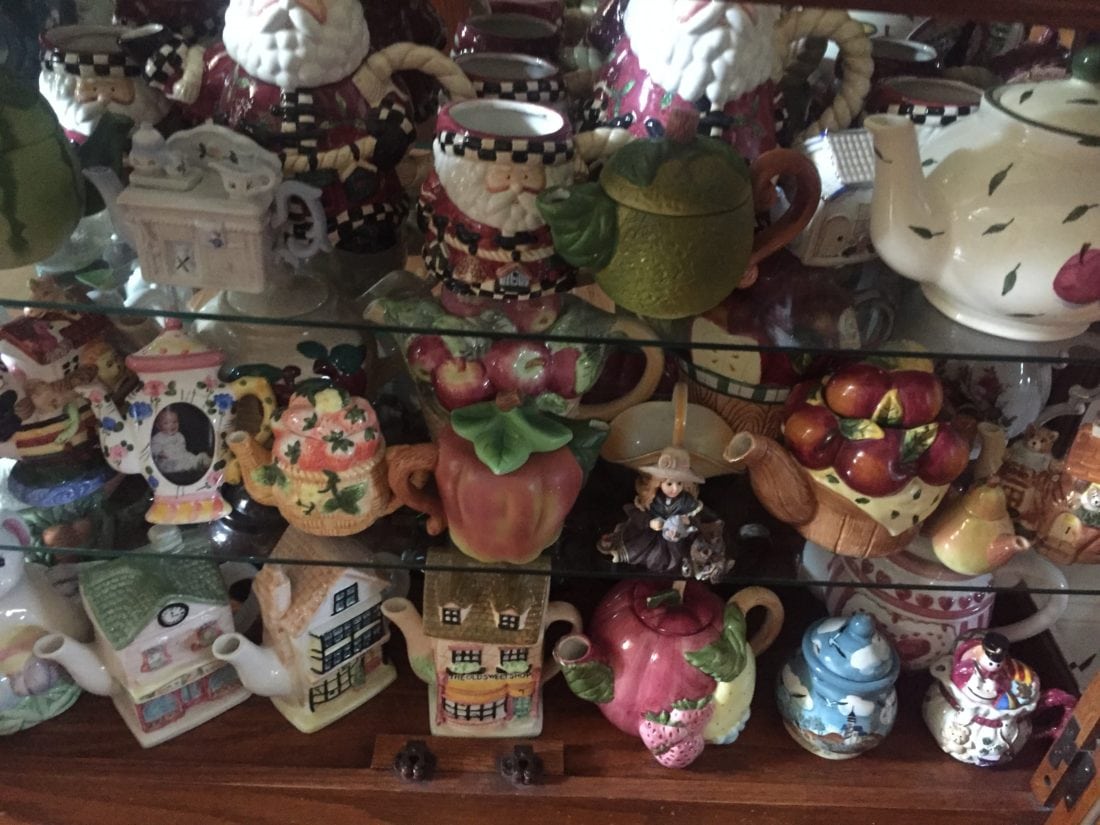
DANA BRIGANDI/Sun-Gazette Correspondent Encourage loved ones who have collectibles to pass along sentimental pieces to family and friends as a way to start the Swedish Death Cleaning process. By cutting the clutter now, it will be easier for loved ones to deal with your estate and belongings when they are grieving.
Earlier this year, a book was published that made waves in the minimalism community for its life-changing ideas and ability to normalize an end-of-life process.
Margareta Magnusson’s “The Gentle Art of Swedish Death Cleaning: How to Make Your Loved Ones’ Lives Easier and Your Own Life More Pleasant,” introduced readers to a decluttering process in Sweden known as “dostadning,” which translates to “death cleaning.” It is the idea of downsizing and clearing out your belongings before others have to do it for you.
I recommend this book to anyone who has had to deal with the estate of a loved one or the loss of a parent or grandparent as a way to help ease the mourning process.
The idea is simple: Get rid of your stuff now rather than leaving it behind for someone else to deal with. So, older adults should start to make decisions about their stuff now, room by room, slowly, with input from family and friends.
Magnusson does not think that “death cleaning” and talking about death is morbid. She notes that it is a fact of life and that by having conversations with your family now, you can prevent issues when you are gone. She writes: “The difference between death cleaning and just a big cleanup is the amount of time they consume. Death cleaning is not about dusting or mopping up; it is about a permanent form of organization that makes your everyday life run more smoothly.” For Marie Kondo fans, it’s about ridding your home of items that do not “spark joy.”
She encourages people to start with the big stuff such as the basement, attic and furniture before moving on to clothing, and then hobbies such as baking or sports. Keeping family and friends in the loop is a great way to enlist help and pass along possessions that they may want, such as books and kitchen utensils. This is a great time to ask relatives and loved ones to consider buying perishable gifts or giving the gift of experiences together rather than another collectible for the shelf.
Magnusson offers practical tips, such as not starting with photos because they are too emotional. She also suggests that age 65 is a good time to start death cleaning, but the process is can be done at any age.
“Do not ever imagine that anyone will wish — or be able — to schedule time off to take care of what you didn’t bother to take care of yourself. No matter how much they love you, don’t leave this burden to them,” she writes.
She shared a charming story of how she kept her children’s baby clothing in a box in the attic to one day pass along to grandchildren. When grandchildren failed to arrive, she took the box down to “remind my lazy children of what I wanted. It worked, and I now have eight grandchildren. And no baby clothes in the attic.”
Her advice when you receive things you don’t want from someone else is to politely but firmly decline the item by saying, “no, thank you, I don’t have room for this.”
Her book is a quick read at 107 pages and includes three beloved recipes in the book’s appendix. It will make a great gift for older family members as a way to start talking about the death cleaning process.
I recently read a Forbes article, “Sorry, nobody wants your parents’ stuff,” in which Mary Kay Buysse, executive director of the National Association of Senior Move Managers (NASMM), discusses issues families have when they are forced to quickly downsize an elderly family member or deceased relative’s home. “The problem most of us have, is our parents bought things that were mass-produced. They don’t hold value and are so out of style. I don’t think you’ll ever find a good place to liquidate them.” She said that what makes it so difficult now is that two generations are downsizing simultaneously: baby boomers’ parents and the boomers themselves.
Life often throws us unexpected curveballs — I never thought I would be considering downsizing until after my father’s sudden death in 2009 — and leaving this burden for loved ones allows the grief process to linger. If you have something for a loved one, give it to that person now, and share the story of why it’s important to you. Surround yourself with items that make you happy and work for your current lifestyle. If you start the “dostadning” process now, it will be much easier on your loved ones in the future.
Share any tips with me at MinimalistMamaInPA@gmail.com. Minimalist Mama is published on the first Sunday of each month. Read previous columns at https://minimalistmamainpa.wordpress.com/.
Lifestyle News

Wellsboro to host 6 concerts

Renovo park combines history, humor with mystery dinner

Clinton County SPCA needs more foster homes during renovations
Free Comic Book Day coming
Isle Of Comics in South Williamsport will celebrate the largest event in the comic book industry: Free Comic Book ...
Students compete in Americanism essay contest
There was a total of 55 students who participated in our Americanism Essay Competition from Lock Haven Catholic ...