
Trending
Messing with toads is ill-advised, which many animals learn the hard way. It takes only one episode with a toad to make a cat realize his mistake -- an error most cats will not repeat. Cats have a pretty long memory for pain and nausea. Dogs … not so much. I'm not intimating that cats are necessarily smarter than dogs -- just that dogs tend to be optimists. Because, who knows -- it might not be so bad next time. Right?
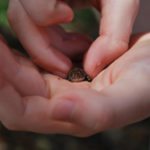
What's so bad about toads? Actually, there's a lot of good about toads. Farmers and gardeners know: toads eat a lot of insects, slugs, worms, beetles and other small pests without being pests themselves. They tend to mind their own business, are not too noisy or destructive, don't smell and don't ask for anything except maybe a pesticide/herbicide-free environment. And with a few toads around, there may be less of a need for chemicals -- one research site I visited estimated that an American toad (Bufo americanus), the most common toad species in Pennsylvania, can consume up to 1000 insects per day. What a work ethic! Which is one good reason toads should be left to themselves.
Like frogs and salamanders, toads are amphibians. They are cold-blooded creatures (they do not have their own internal body temperature regulation) like reptiles. Amphibians differ from reptiles in some important ways. Reptiles have dry, leathery, sometimes scaly, waterproof skin. Amphibians have slimy skin that allows moisture and air to pass through it. This makes amphibians very susceptible to pollutants and impurities in the air and water supply. Amphibians need to be near a source of water like a stream, pond or lake to complete their lifecycle. Like frogs, female toads lay their eggs in the water, which are fertilized by the male after they are laid. The eggs hatch into small, swimming, legless tadpoles that, within a few short weeks, grow legs, absorb their tails, and mature into the form of tiny toads.
While frogs tend to have smooth skin, toads have bumpy, warty skin. Touching a toad will not cause you to sprout warts, no matter what your grandma told you. Licking a toad, however, may kill you. Toads are poisonous.
The venom toads produce comes from glands that look like large bumps or warts on the skin, the largest (called parotid glands) are located just behind the eyes on the back of the head. Similar poison-secreting glands are located down the back and back legs, also. The milky substance produced contains various noxious chemicals, collectively termed bufotoxins. Each toad species within the genus Bufo has its own unique blend of these toxins, which have negative effects on the heart and blood pressure, brain (inducing hallucinations, blackouts, seizures), and GI tract (causing immediate retching and vomiting) when ingested. These substances can be very irritating to the mouth and eyes, or pre-existing wounds on the skin. And of course, can cause allergic reactions in some individuals.
Fortunately, most people don't feel compelled to put toads in their mouths. Unfortunately, due to curiosity and predatory instincts, many animals (on first encounter) do, and the results are usually dramatic. Because the effects of the toxins can be immediate and severe, owners who witness their animal mouthing a toad should act immediately.
The usual first symptoms of toad poisoning are sudden, profuse drooling, frothing at the mouth and retching or vomiting. This can quickly progress to tremors and convulsions when enough toxin is ingested. Washing the mouth of the affected animal with copious amounts of water from a hose directed out of the mouth (not down the throat!) or rubbing the mouth with a moist cloth to remove the sticky toad venom will help to reduce the effects. Seeking veterinary help quickly is imperative if the symptoms do not improve within 10-15 minutes. There is no antidote for toad poisoning, but symptomatic and supportive treatments can be given.
It is important to note that frothing at the mouth and altered behavior, tremors, etc. can be signs of rabies. It is unwise to handle the mouths of any pets with with out-of-date rabies vaccinations that are acting strangely. Additionally, attempting to wash out the mouth of a distressed pet may cause even the nicest animals to want to bite! Use common sense, please.
The scene opens with two dogs and a cat in a suburban backyard.
Big Dog: "Hey, look, it's a toad!"
Little Dog: "What's a toad?"
Cat: "I wouldn't mess with that if I were you."
Big Dog: "He just wants it for himself -- let's get it!"
Little Dog: "Yeah!"
5 seconds later, both dogs are retching violently, drooling profusely, and frothing at the mouth.
Cat: *sigh* I toad you so.
Daverio is a veterinarian at Williamsport West Veterinary Hospital. Her column is published every other Sunday in the Lifestyle section. She can be reached at life@sungazette.com.